Floral

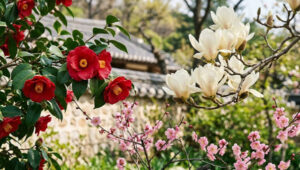
Growing Camellias, Magnolias, and Japanese Apricot Blossoms
Floral

Easy-to-Grow Blooms, Choosing the Right Plants, and Creating Beautiful Spaces

Every year, I find myself waiting for the first signs of spring. Before the trees are fully green and before gardens become filled with colorful flowers, there are always a few plants that quietly announce the changing season. Among my favorites are camellias, magnolias, and Japanese apricot blossoms. Although they bloom at slightly different times, each one carries a unique charm that makes early spring feel special. When I first became interested in gardening, I chose these flowers simply because they were beautiful. I didn’t know much about their growing habits, and I assumed that caring for flowering plants was mostly about watering them regularly. After spending several seasons growing them in pots and observing them closely, I realized that
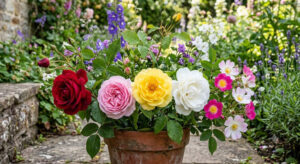
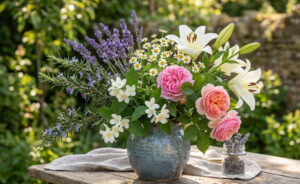
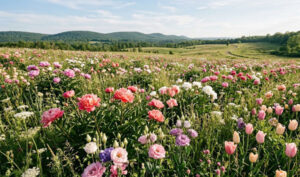
Red, Pink, Yellow, White, and Wild Roses
Floral

Flowers for Emotional Balance: How Color, Scent, and Shape Influence Mood

Flowers are often treated as simple decorative objects, but their role in everyday life can be much more meaningful. Their colors, fragrances, shapes, and natural textures influence the atmosphere of a room and can affect the way people feel within that space. A bright yellow flower may make a dark room appear more cheerful, while a soft purple flower can create a quieter and more reflective mood. Even the act of arranging flowers, watering them, or observing them for a few minutes can help people slow down and become more aware of their emotional state. This does not mean that flowers can cure anxiety, depression, insomnia, or other emotional difficulties. Flowers should never replace professional medical or psychological care. However,

flowers
Floral

Best Flowers for Children’s Emotional Development: Improving Focus, Emotional Regulation, and Calmness

A child’s emotional development is influenced by much more than education and parenting. Everyday surroundings, including colors, scents, textures, and natural elements, play an important role in shaping emotions and behavior. Among these natural elements, flowers offer a unique combination of visual beauty, gentle fragrance, and opportunities for hands-on interaction. Whether displayed in a child’s room or cared for as part of a daily routine, flowers can help create an environment that encourages emotional well-being. Research in environmental psychology and horticultural therapy suggests that contact with plants and nature can reduce stress, improve attention, and promote positive emotions. While flowers should never be considered a substitute for professional support when needed, they can be a meaningful addition to a nurturing

Lisianthus, Tulips, and Peonies
Floral

Lisianthus, Tulips, and Peonies: Flower Meanings, Gift Ideas, and Care Tips

Choosing flowers based only on their appearance is common, but understanding their meanings can make a gift feel much more thoughtful. A bouquet can communicate gratitude, affection, encouragement, celebration, or sincere love without relying on a long message. Among the many flowers used for gifts and home decoration, lisianthus, tulips, and peonies are especially popular. Each has a distinctive shape and mood, and each is associated with different emotions and occasions. Lisianthus is often chosen to express gratitude and sincere affection. Tulips are known for their simple form and color-based meanings. Peonies are admired for their full blooms and their association with romance, prosperity, and happy marriage. This guide explains the meanings of these three flowers, the occasions they suit

Floral

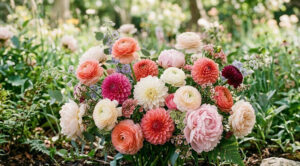
Florists’ Favorite Flowers: Why Ranunculus, Dahlias, and Peonies Never Go Out of Style

When choosing flowers, beauty is only one part of the story. Florists also consider meaning, longevity, versatility, and emotional impact before recommending the perfect bloom. Whether for bouquets, weddings, home décor, or special celebrations, the best flowers are those that create lasting memories as well as lasting beauty. Among countless varieties, ranunculus, dahlias, and peonies consistently rank among the most beloved flowers in professional floral design. Each offers a unique combination of elegance, symbolism, and visual appeal, making them favorites for both florists and flower lovers alike. Ranunculus: Layers of Soft Petals That Capture the Joy of Spring Ranunculus is admired for its countless delicate petals arranged in perfectly layered circles, giving the flower an appearance that resembles handcrafted paper

Floral

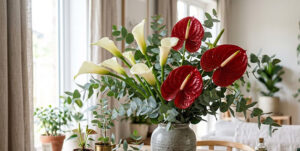
Decorate Your Home with Flowers: Plant Styling Ideas Using Eucalyptus, Anthurium, and Calla Lilies

Creating a relaxing home isn’t just about choosing the right furniture or decorative accessories. More and more people are turning to flowers and indoor plants to transform their living spaces into peaceful, stylish retreats. Plant styling, often called plant interior design or plant decor, combines beauty with wellness, bringing nature indoors while improving the atmosphere of a room. Among the many plants used for interior decoration, eucalyptus, anthuriums, and calla lilies have become favorites thanks to their elegant appearance, versatility, and calming presence. Each offers its own unique character while helping create a home that feels fresh, sophisticated, and inviting. Eucalyptus: The Perfect Blend of Fresh Air and Natural Beauty Eucalyptus is one of the most beloved plants in modern

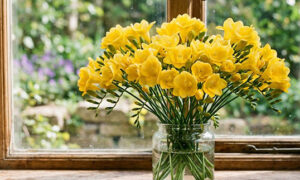
Freesia
Floral

Decorating with Flowers Instead of Home Accessories: The Interior Trend Loved by Women in Their 20s and 30s

Minimalist interiors are still popular, but many women in their 20s and 30s are moving beyond decorative objects and choosing fresh flowers as the centerpiece of their living spaces. Flowers do much more than fill an empty corner. They add color, fragrance, texture, and a sense of calm that manufactured décor often cannot provide. Whether it’s a single stem placed in a glass vase or a carefully arranged bouquet on a dining table, flowers instantly transform the atmosphere of a room. Fresh flowers, preserved flowers, and dried arrangements have become everyday lifestyle items rather than decorations reserved for special occasions. Among the countless flowers available, roses, sunflowers, and baby’s breath continue to be some of the most popular choices for

Floral

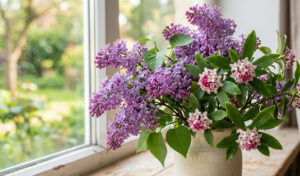
Lilac vs. Winter Daphne: Understanding the Differences Between Two Beloved Fragrant Spring Shrubs

Spring gardens are often remembered not only for their colors but also for their fragrance. A single blooming shrub can completely change the atmosphere of a garden, filling the air with a scent that instantly reminds us that winter has finally come to an end. Among the many flowering shrubs gardeners love, few are as admired as lilac and Winter Daphne. Both produce beautiful blossoms and both are famous for their unforgettable fragrance, yet they are surprisingly different plants. Many beginners assume they are choosing between two shrubs that offer almost the same experience. In reality, each plant has its own personality, growing habits, and environmental preferences. One rewards gardeners with large clusters of flowers and vigorous growth, while the

dried flowers
Floral

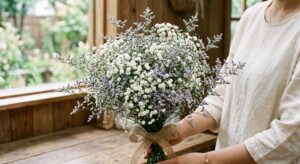
Baby’s Breath vs. Misty Blue: Their Differences, Meanings, and How to Keep Them Beautiful Longer

There are certain flowers that catch my eye every time I walk into a flower shop. For me, those flowers are always baby’s breath and Misty Blue. At first glance, they seem surprisingly similar. Both are made up of countless tiny blossoms that create soft, airy bouquets, and they’re often used to fill the spaces between larger flowers. For a long time, I assumed they served exactly the same purpose. I couldn’t have been more wrong. It wasn’t until I began bringing flowers home, arranging them myself, and experimenting with drying them that I realized how different these two flowers really are. Their appearance, texture, lifespan, and even the atmosphere they create are completely unique. In recent years, I’ve noticed

autumn flowers
Floral

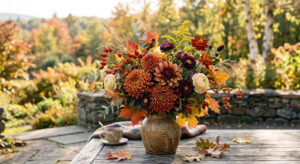
I Thought These Autumn Flowers Were All the Same Until I Started Gardening

For years, I couldn’t tell the difference between many of the flowers that appeared every autumn. Whenever I visited a garden center or walked through a botanical garden in September, I would point at almost every daisy-shaped flower and simply call it a chrysanthemum. It didn’t seem to matter whether the petals were long or short, purple or yellow, or whether the plant stood two feet tall or barely reached my knees. They all looked similar enough to me. Looking back, I realize I wasn’t paying attention. I was looking at flowers the same way people often look at strangers in a crowd. I noticed the general appearance, but not the little details that made each one unique. That changed