
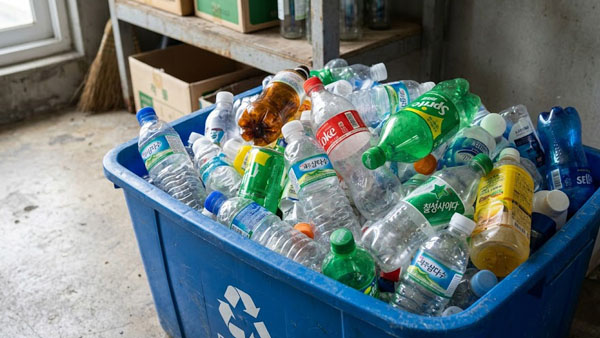
Plastic has become one of the most useful materials in modern society. It is lightweight, inexpensive, durable, and found in nearly every aspect of daily life. From food packaging and water bottles to clothing, cosmetics, electronics, and household products, plastic makes many everyday tasks easier and more convenient. Yet the same qualities that make plastic so useful also create one of today’s growing environmental and public health concerns: microplastics.
Until a few years ago, I rarely thought about what happened to plastic after throwing it away. As long as it was placed in a recycling bin or garbage container, I assumed the problem ended there. However, after reading scientific studies and paying more attention to environmental news, I realized that plastic rarely disappears completely. Instead, much of it slowly breaks down into incredibly small fragments that remain in the environment for years or even decades.
These tiny fragments, known as microplastics, are now found almost everywhere researchers look. They have been detected in oceans, rivers, lakes, farmland, drinking water, seafood, table salt, bottled water, household dust, rain, snow, and even the air we breathe. Scientists have also identified microplastics inside human blood, lungs, placentas, and other tissues. Although researchers are still working to understand exactly how these particles affect long-term human health, their widespread presence has raised understandable concern around the world.
Learning about microplastics has not made me afraid of every plastic product I use. Instead, it has encouraged me to become more thoughtful about everyday habits. I have started carrying a reusable water bottle more often, avoiding unnecessary single-use plastics whenever possible, and paying closer attention to how I store and heat food. These small adjustments may not eliminate exposure completely, but they help me feel that I am making better choices for both my health and the environment.
The truth is that completely avoiding microplastics is nearly impossible in today’s world. Plastic has become deeply integrated into modern life, and microscopic particles travel through air, water, soil, and food systems. Rather than creating unnecessary anxiety, understanding where microplastics come from and how we encounter them allows us to make informed decisions based on current scientific knowledge.
What Are Microplastics and Where Do They Come From?
Microplastics are generally defined as plastic particles smaller than five millimeters in diameter. While that may sound relatively large, many microplastics are so tiny that they cannot be seen without magnification. Some are even measured in micrometers, making them invisible to the naked eye.
Scientists typically divide microplastics into two categories.
The first are primary microplastics, which are intentionally manufactured at a microscopic size. In the past, tiny plastic beads were commonly added to facial scrubs, toothpaste, and cosmetic products as exfoliating agents. Although many countries have restricted or banned these plastic microbeads, they are still found in certain products and industrial applications around the world.
Another important source of primary microplastics comes from synthetic fibers released during laundry. Clothing made from polyester, nylon, acrylic, and other synthetic materials sheds microscopic plastic fibers every time it is washed. Wastewater treatment plants capture many of these fibers, but not all of them. As a result, millions of tiny fibers eventually enter rivers, lakes, and oceans.
The second category is secondary microplastics, which form when larger plastic items gradually break apart. Sunlight, wind, waves, heat, and physical abrasion slowly weaken plastic materials until they fragment into increasingly smaller pieces. Plastic bags, bottles, food containers, fishing nets, packaging materials, disposable utensils, and countless other products eventually contribute to this process if they are not properly managed.
One source that surprises many people is automobile tires. Modern tires contain synthetic polymers that gradually wear away during normal driving. Every trip releases tiny particles onto roads, where rainwater can wash them into storm drains and nearby waterways. Researchers now believe tire wear is one of the largest contributors to environmental microplastic pollution in many urban areas.
Paint is another unexpected contributor. Paint used on buildings, roads, ships, and bridges contains synthetic polymers that slowly wear away over time. These particles also become part of the environment through weathering and runoff.
Even opening a plastic bottle or twisting a plastic cap repeatedly may release tiny particles through normal wear. While the amount from a single bottle is very small, repeated use across billions of products worldwide contributes to the overall presence of microplastics.
Because plastics have been manufactured on a massive scale for decades, they now exist in nearly every ecosystem on Earth. Researchers have discovered microplastics in Arctic sea ice, remote mountain regions, tropical forests, deep ocean sediments, and deserts far from major cities. Wind can carry lightweight particles over surprisingly long distances, allowing them to travel across continents and oceans.
One reason microplastics are so difficult to manage is that they do not behave like ordinary waste. A plastic bottle may eventually crack into hundreds of pieces, then thousands, then millions of microscopic fragments. Rather than disappearing, the material simply becomes smaller and harder to collect.
How Microplastics Enter Our Daily Lives
Many people imagine microplastic pollution as an environmental issue affecting only oceans and marine animals. In reality, exposure begins much closer to home.
One of the most frequently discussed sources is drinking water. Studies have identified microplastic particles in both bottled water and tap water in many parts of the world. The number and type of particles vary depending on location, treatment methods, packaging, and testing techniques, but researchers agree that microplastics are commonly present in water supplies.
Food is another pathway.
Seafood receives considerable attention because shellfish and small fish may ingest microplastics directly from contaminated waters. Since shellfish such as mussels and oysters are often eaten whole, people may consume the particles contained within them.
However, seafood is not the only concern.
Researchers have also detected microplastics in honey, sugar, rice, fruits, vegetables, beer, tea, milk, and table salt. Some contamination occurs during production and packaging, while some results from environmental exposure during growing or processing.
Household dust has become another area of active research.
Synthetic carpets, upholstered furniture, curtains, blankets, clothing, and other household items slowly release microscopic fibers into indoor air. Because modern people spend much of their time indoors, researchers believe inhalation may represent an important route of exposure.
Cooking and food storage practices may also influence exposure.
Heating food in damaged plastic containers or using disposable plastic containers repeatedly is generally discouraged because heat can accelerate the breakdown of certain plastics. Although not every plastic container releases harmful amounts of particles, using containers specifically designed for high temperatures and following manufacturer recommendations is considered good practice.
Food packaging also plays a role.
Ready-to-eat meals, individually wrapped snacks, takeout containers, and disposable cups all increase the amount of plastic that comes into contact with food. Again, this does not necessarily mean these products are unsafe, but reducing unnecessary single-use plastics may help lower overall environmental pollution over time.
Children may experience different patterns of exposure than adults. Babies often place toys or household objects in their mouths, and infant feeding products may involve plastic bottles or accessories. For this reason, researchers continue studying ways to reduce unnecessary exposure during early childhood without creating unnecessary concern among parents.
At this stage, one important message becomes clear.
Microplastics are no longer limited to polluted beaches or floating ocean garbage. They have become part of everyday life in ways that most people never notice. Understanding where they come from is the first step toward making practical, informed decisions rather than reacting out of fear.
What Scientists Know About Microplastics and Human Health
One of the most common questions people ask is whether microplastics are actually harmful to human health. The honest answer is that scientists are still working to understand the full picture.
Research into microplastics is advancing rapidly, but it is still a relatively young field compared with studies on nutrition, infectious diseases, or air pollution. Researchers agree that people are exposed to microplastics every day. What remains under investigation is exactly how different types of plastic particles, sizes, shapes, and levels of exposure may affect the human body over many years.
In recent years, scientists have detected microplastics in places that were once thought impossible. Studies have identified plastic particles in human blood, lung tissue, placentas, breast milk, liver tissue, and even inside certain blood vessels. These discoveries do not automatically mean that microplastics are causing disease, but they demonstrate that these particles are capable of entering the body and reaching organs beyond the digestive system.
Researchers are particularly interested in the smallest particles, often called nanoplastics. These particles are much smaller than ordinary microplastics and may behave differently because of their tiny size. Scientists believe nanoplastics could potentially move more easily between cells and tissues, although much remains unknown about their long-term biological effects.
Laboratory studies have suggested several possible concerns.
Some experiments indicate that certain plastic particles may contribute to inflammation when they accumulate in tissues. Others suggest they could influence immune responses or interfere with normal cellular functions under experimental conditions. Researchers have also investigated whether some plastics can carry environmental pollutants, heavy metals, or bacteria on their surfaces, acting as tiny transportation vehicles.
However, laboratory experiments often expose cells or animals to concentrations much higher than those encountered during everyday life. For this reason, scientists are careful not to assume that laboratory findings directly predict what happens in humans.
Another challenge is that “microplastics” is not a single material.
Thousands of different plastics exist, each with unique chemical properties. Polyethylene, polypropylene, polystyrene, polyethylene terephthalate (PET), and polyvinyl chloride (PVC) behave differently and may break down into particles with different characteristics. Some plastics also contain additives such as plasticizers, colorants, flame retardants, or stabilizers, making research even more complex.
Because of these differences, scientists cannot yet make broad statements that apply equally to every type of microplastic.
Large international organizations continue monitoring the evidence.
Current public health recommendations focus primarily on reducing unnecessary environmental plastic pollution rather than encouraging fear of everyday plastic use. Most experts agree that additional high-quality research is needed before definitive conclusions can be made regarding long-term health risks.
While uncertainty sometimes frustrates people, it is actually a normal part of science. Good science does not rush to conclusions before sufficient evidence exists. Instead, researchers continue collecting data, repeating experiments, improving measurement techniques, and refining their understanding over time.
For consumers, this means it is reasonable to stay informed without becoming overwhelmed. Paying attention to reliable scientific updates is often more helpful than reacting to alarming headlines circulating on social media.
Practical Ways to Reduce Microplastic Exposure
Although eliminating microplastics entirely is unrealistic, there are many simple habits that may reduce unnecessary exposure while also benefiting the environment.
One of the easiest changes is reducing dependence on single-use plastics whenever practical.
Carrying a reusable stainless steel or glass water bottle instead of purchasing disposable bottled water every day can reduce both plastic waste and repeated contact with plastic packaging.
Reusable shopping bags, food containers, and coffee cups offer similar benefits.
Food storage is another area where small adjustments can make a difference.
Whenever possible, many people choose glass or ceramic containers for storing leftovers, especially when reheating food. Glass is durable, easy to clean, and does not break down into plastic particles.
If plastic containers are used, following the manufacturer’s instructions is important. Containers that are not designed for microwave use should not be heated because excessive temperatures may accelerate material degradation.
Replacing damaged plastic containers is another simple habit worth adopting.
Scratched, cracked, or heavily worn containers have experienced physical wear that may increase the release of tiny particles over time. Fortunately, replacing a few frequently used containers does not require changing an entire kitchen overnight.
Laundry habits can also influence environmental microplastic pollution.
Synthetic fabrics such as polyester, nylon, and fleece shed microscopic fibers during washing. Washing full loads instead of many small loads may reduce friction between garments. Some households also choose specialized laundry bags or washing machine filters designed to capture synthetic fibers before they enter wastewater systems.
Choosing natural fibers when practical may also help.
Cotton, wool, linen, and hemp generally release biodegradable fibers rather than plastic-based materials. Of course, synthetic clothing often provides durability, stretch, and affordability, so balance is usually more realistic than complete avoidance.
Vacuuming and dusting regularly may reduce indoor exposure because household dust often contains synthetic fibers from carpets, furniture, and clothing. Good ventilation also helps improve indoor air quality.
Recycling correctly remains important even though recycling alone cannot solve the plastic pollution problem.
Proper waste management reduces the amount of plastic entering natural environments where it eventually fragments into microplastics.
Supporting products with minimal packaging can also encourage manufacturers to reduce unnecessary plastic use.
One lesson I have personally learned is that sustainable habits do not need to be perfect to be meaningful.
I still purchase packaged foods when necessary.
I still use plastic products in many situations.
The goal is not perfection but awareness.
Making one better choice today is often more realistic than trying to change every habit at once.
When millions of people make small improvements, the combined environmental impact becomes significant.
Looking Toward a More Sustainable Future
Microplastic pollution has become a global challenge because plastic itself has become deeply woven into modern society.
Hospitals rely on sterile plastic equipment.
Food packaging helps reduce spoilage and food waste.
Automobiles, electronics, medical devices, and countless household products all depend on plastic materials.
This means the solution is not simply eliminating plastic altogether.
Instead, many experts believe the future depends on using plastic more responsibly while developing safer materials, improving recycling systems, designing products that last longer, and reducing unnecessary disposable items.
Around the world, governments are introducing new regulations that limit certain single-use plastics, encourage recycling, and promote alternative packaging.
Scientists continue developing biodegradable materials, advanced filtration technologies, and more efficient recycling methods.
Businesses are redesigning packaging to reduce plastic consumption, while consumers increasingly support companies that demonstrate environmental responsibility.
Education also plays a powerful role.
When people understand how everyday choices influence environmental pollution, they are more likely to adopt sustainable habits voluntarily rather than through fear or pressure.
Schools, families, communities, and businesses all contribute to building greater environmental awareness.
Perhaps the most encouraging aspect of this issue is that progress is already happening.
Many cities have reduced plastic bag usage dramatically.
Reusable products have become more common.
Public awareness of plastic pollution is far greater than it was only a decade ago.
Scientific research continues improving our understanding every year.
Although microplastics remain a complex environmental challenge, increased knowledge allows society to develop smarter solutions.
Conclusion
Microplastics have become part of modern life, appearing in our air, water, food, homes, and natural environments. Their widespread presence reflects decades of global plastic production rather than any single person’s choices.
Scientists continue investigating how microplastics may affect human health, and while many questions remain unanswered, current evidence supports a practical approach based on awareness rather than fear.
Simple habits—such as reducing unnecessary single-use plastics, choosing reusable products, storing food carefully, replacing damaged plastic containers, and supporting responsible recycling—can help lower both personal exposure and environmental pollution.
Perhaps the most important lesson is that meaningful change rarely happens overnight.
No individual can solve the global plastic problem alone.
However, millions of small daily decisions can gradually create significant environmental improvements.
By staying informed, making thoughtful choices, and supporting sustainable innovation, each of us can contribute to a healthier future for both people and the planet.