#Sustainable Living

microplastics
Society

Microplastics in Everyday Life: What You Should Know

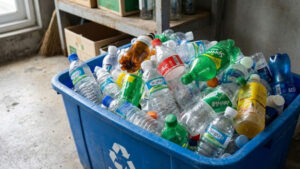
Plastic has become one of the most useful materials in modern society. It is lightweight, inexpensive, durable, and found in nearly every aspect of daily life. From food packaging and water bottles to clothing, cosmetics, electronics, and household products, plastic makes many everyday tasks easier and more convenient. Yet the same qualities that make plastic so useful also create one of today’s growing environmental and public health concerns: microplastics. Until a few years ago, I rarely thought about what happened to plastic after throwing it away. As long as it was placed in a recycling bin or garbage container, I assumed the problem ended there. However, after reading scientific studies and paying more attention to environmental news, I realized that

Society

How Community Sharing Is Changing the Way We Consume

In a world where shopping has become easier than ever, many people are beginning to question whether buying more is always the best solution. Rising living costs, growing environmental concerns, and increasing awareness of waste have encouraged individuals to look for alternative ways to meet everyday needs. Instead of purchasing new items, more communities are embracing the idea of sharing what they already have. One movement that has gained worldwide attention is the Buy Nothing Project. Rather than focusing on buying, selling, or trading, the project encourages neighbors to freely give, receive, and share items within their local communities. From furniture and clothing to children’s toys and household tools, countless everyday items find new homes instead of ending up in

publishing
Society

Is Work-Life Balance Really Possible? Rethinking the Relationship Between Work and Life

“I never work after I leave the office.” It’s the kind of statement you hear often in interviews, podcasts, or social media posts. The image is familiar: finishing work exactly on time, going to the gym in the evening, enjoying hobbies without interruption, and spending every weekend entirely with family and friends. For many people, this has become the definition of work-life balance. Over the past decade, “work-life balance” has evolved from a popular buzzword into one of the most important factors people consider when choosing a career. Salary still matters, of course, but so does personal time. More than ever, people want jobs that allow them to build a life outside of work. It’s an understandable goal. But reality

public drinking fountains
Society

Public Drinking Fountains Are Making a Quiet Return

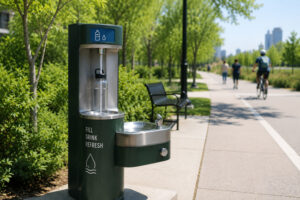
For many people, public drinking fountains are easy to overlook. They sit along walking paths, inside parks, near sports facilities, and in transportation hubs. Most people pass by without giving them much thought. Yet in a growing number of communities, public drinking fountains are receiving renewed attention as cities reconsider how public spaces can better serve residents. While they may seem like a small feature compared to larger infrastructure projects, drinking fountains play a surprisingly practical role in everyday life. Their gradual return to parks, trails, and public gathering places reflects changing attitudes toward health, accessibility, and the design of shared spaces. In many ways, the story of public drinking fountains is not simply about access to water. It is