Flowers are often treated as simple decorative objects, but their role in everyday life can be much more meaningful. Their colors, fragrances, shapes, and natural textures influence the atmosphere of a room and can affect the way people feel within that space. A bright yellow flower may make a dark room appear more cheerful, while a soft purple flower can create a quieter and more reflective mood. Even the act of arranging flowers, watering them, or observing them for a few minutes can help people slow down and become more aware of their emotional state.
This does not mean that flowers can cure anxiety, depression, insomnia, or other emotional difficulties. Flowers should never replace professional medical or psychological care. However, they can be used as supportive elements in a healthy lifestyle. They can make a space feel calmer, encourage mindful routines, and create small moments of comfort during stressful days.
The emotional effect of flowers comes from several factors working together. Color affects visual perception, fragrance can trigger memory and emotional associations, and shape influences the overall impression of order, softness, movement, or stability. When these qualities are intentionally combined, flowers can help create living spaces that feel more peaceful, energetic, welcoming, or emotionally balanced.
How Flower Colors, Fragrances, and Shapes Affect Emotions
Color is one of the most immediate ways flowers influence mood. People respond to color quickly, often before they consciously think about it. Although reactions vary according to personal experience and culture, certain colors are commonly associated with particular emotional impressions.
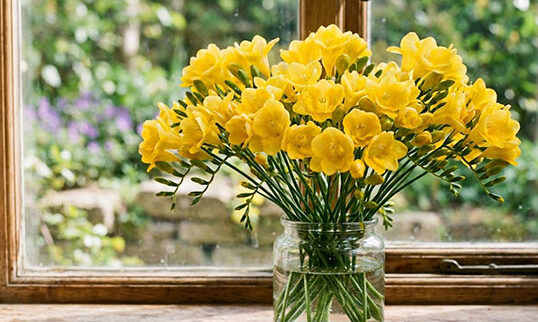
Yellow flowers, such as sunflowers, yellow tulips, and chrysanthemums, are often connected with optimism, energy, warmth, and hope. Their brightness can make a room feel more open and lively. A sunflower placed near an entrance or beside a desk can become a strong visual focal point and may help create a more positive atmosphere. Its round shape and golden petals resemble the sun, which is why it is often associated with confidence, enthusiasm, and emotional renewal.
Red flowers create a very different impression. Red roses, tulips, and carnations are commonly linked with passion, courage, affection, and vitality. They can bring warmth to a room and make a space feel more emotionally expressive. However, strong red tones may feel overwhelming when used excessively, especially in small spaces. A few carefully placed red flowers are often more effective than a large, intense arrangement.
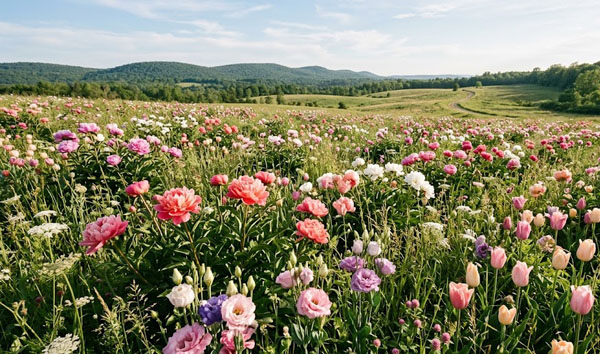
Pink flowers create a softer emotional effect. Pink roses, peonies, and tulips are associated with kindness, tenderness, comfort, and emotional safety. They are especially suitable for living rooms, bedrooms, or spaces where a warm and gentle atmosphere is desired. Pale pink tones can make a room feel peaceful without becoming cold or overly formal.
Purple and blue flowers are usually connected with calmness, reflection, imagination, and mental clarity. Lavender and iris are good examples. Their cooler tones can reduce visual intensity and create a more restful environment. This makes them suitable for reading corners, meditation spaces, work areas, or bedrooms.
White flowers often represent simplicity, cleanliness, peace, and emotional clarity. White lilies, roses, tulips, and daisies can make a space feel more orderly and quiet. White flowers are often used in places where people want to create a sense of calm, dignity, or reflection. However, the effect of white flowers may also depend on cultural context, since they can be connected with both celebration and remembrance.
Fragrance adds another emotional layer. Smell is strongly connected with memory, and a familiar floral scent can quickly remind someone of a person, place, season, or meaningful experience. Lavender is known for its gentle herbal fragrance, which many people associate with relaxation and bedtime routines. Rose fragrance is warm and familiar, while chamomile has a mild, slightly sweet aroma that can feel comforting.
Not every flower needs a strong scent to affect mood. Sunflowers and many tulips have little fragrance, yet their colors and shapes still create a powerful visual effect. For offices, study rooms, and shared indoor environments, lightly scented or scent-free flowers may be more practical because strong fragrances can cause headaches or discomfort for sensitive people.
Shape also plays an important role. Large, rounded flowers tend to create a feeling of fullness and stability. Sunflowers, peonies, and large roses can make a space feel warm and welcoming. Tall flowers with clear vertical lines, such as lavender, snapdragons, and irises, create a sense of structure and direction. They may be useful in workspaces where a clean and organized impression is preferred.
Flowers with soft curves, including roses and tulips, often communicate comfort and balance. Their smooth forms are visually gentle and may help soften rooms filled with hard furniture, straight lines, or electronic devices. By combining shape, color, and fragrance, it is possible to design a floral arrangement that supports the emotional purpose of a particular space.
Calming Flowers and Their Everyday Uses
Chamomile is one of the best-known flowers associated with rest and relaxation. Its small white petals and yellow center create a simple, friendly appearance. The name chamomile is traditionally connected with an apple-like fragrance, and the plant has been used in herbal traditions for centuries.
Chamomile tea is commonly included in evening routines because many people find it warm and comforting. The act of preparing the tea may be just as helpful as the drink itself. Boiling water, waiting for the tea to steep, and sitting quietly can create a natural pause at the end of the day.
There are different types of chamomile, including Roman chamomile and German chamomile. They are used in teas, skincare products, and aromatherapy. Essential oils made from chamomile are highly concentrated and must be used carefully. They should be diluted properly and should never be consumed unless a qualified professional confirms that a particular product is safe for internal use.
Chamomile also carries symbolic meaning. Its small size and ability to grow in difficult conditions have made it a symbol of patience, resilience, and quiet strength. For this reason, chamomile may be a meaningful choice for someone going through a stressful or emotionally difficult period.
Tulips offer a different kind of emotional support. Their clean lines and soft curves create visual order, while their wide range of colors makes them suitable for many moods. Yellow tulips can brighten a kitchen or workspace, pink tulips can create comfort in a bedroom or living room, and white tulips can support a simple and peaceful interior.
Because tulips usually have a mild fragrance, they are useful in places where strong scents are not appropriate. A single tulip in a small vase can change the appearance of a desk without taking up much space. This makes tulips especially suitable for apartments, offices, study areas, and small rooms.
Tulips are also connected with spring and new beginnings. After a long winter, their appearance often symbolizes renewal and forward movement. For people who feel tired, emotionally stuck, or unmotivated, seasonal flowers such as tulips can act as visual reminders that change is possible.
Lilies are known for their elegant shapes and strong symbolic associations. They are often connected with peace, hope, dignity, and remembrance. White lilies create a clean and formal impression, while pink and yellow varieties feel warmer and more approachable.
Some lilies have a strong fragrance, which may feel calming to one person but overwhelming to another. For that reason, they should be used carefully in bedrooms or small enclosed spaces. People with migraines, asthma, or fragrance sensitivity may prefer unscented alternatives.
Pet owners must also be cautious. Many true lilies are extremely toxic to cats. Even small amounts of pollen, leaves, or water from a vase may be dangerous. Homes with cats should avoid true lilies entirely and choose safer flowers instead.
Iris flowers are associated with hope, wisdom, and creativity. Their complex petals and blue or purple colors create a thoughtful and artistic impression. Irises work well in libraries, creative studios, offices, or reading spaces because they add visual interest without making the space feel overly bright.
The iris also has a long cultural history. Its name is connected with the idea of a rainbow, and it has appeared in art, mythology, and decorative symbols for centuries. This background makes the flower suitable not only for decoration but also for spaces intended for reflection, learning, and artistic work.
Lavender remains one of the most popular choices for calm environments. Its color, scent, and upright shape all contribute to a quiet atmosphere. Dried lavender can be placed in small fabric bags, displayed in a vase, or used as part of a bedtime routine. Fresh lavender plants can also be grown near sunny windows, although proper light and drainage are important.
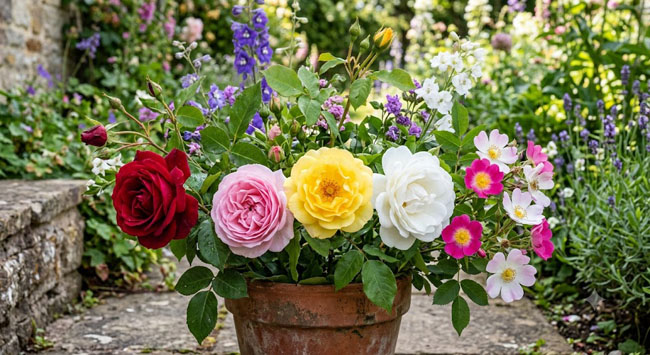
Roses are more flexible than many people realize. Red roses create intensity and warmth, while pink roses communicate kindness and comfort. White roses create a cleaner, quieter mood, and yellow roses can bring brightness and friendship into a space.
Sunflowers are ideal when a room needs more energy. Their size, color, and shape naturally attract attention. They are especially effective in kitchens, entrances, studios, or workspaces that feel dull. Because their scent is mild, they are also suitable for people who enjoy strong visual effects without strong fragrance.
Practical Ways to Use Flowers for Emotional Well-Being
One of the simplest practices is flower observation. Place a flower in a quiet area and spend one or two minutes looking at it carefully. Notice the shape of the petals, the direction of the stem, the texture of the leaves, and the way light falls on the surface.
This practice can become a short mindfulness exercise. There is no need to force the mind to become empty. The purpose is simply to focus attention on one natural object. Slow breathing while observing the flower may help create a brief pause during a busy or stressful day.
A flower journal can also support emotional awareness. Write down the name, color, or shape of a flower you noticed and record your emotional response. For example, someone may write that yellow tulips felt cheerful, while lavender created a sense of quietness. Over time, this practice may help people understand which colors and environments are most supportive for them.
Flowers can also be arranged according to the function of each room. Lavender or chamomile may suit a bedroom or reading corner. Sunflowers and yellow tulips can brighten a kitchen or office. Pink roses can create warmth in a living room, while white flowers may work well in a meditation or reflection space.
A useful approach is to avoid using too many strong fragrances in one room. One scented flower or a small herbal arrangement is usually enough. Combining several strong fragrances may create discomfort rather than relaxation.
Essential oils should be used even more carefully than fresh flowers. Oils are concentrated substances and may irritate the skin, eyes, or respiratory system. They should be diluted according to instructions and kept away from children and pets. People with allergies, asthma, migraines, or skin sensitivity should use extra caution.
Another practical activity is seasonal flower arranging. Choosing flowers that naturally appear during a particular season can help people feel more connected with time and nature. Spring tulips, summer sunflowers, autumn chrysanthemums, and winter branches each create a different emotional rhythm.
Caring for flowers can also become a grounding routine. Changing the water, removing dry leaves, cutting stems, and observing new growth are simple physical tasks that bring attention back to the present moment. These activities are not complicated, but they create a sense of order and responsibility.
Flowers can also support social connection. Giving a small bouquet, sharing flowers from a garden, or arranging flowers with family members creates opportunities for conversation and emotional expression. A flower does not need to be expensive or elaborate to communicate kindness.
For people who feel emotionally tired, a very simple combination may be enough. Lavender and chamomile can create a restful evening atmosphere. Sunflowers and red roses can make a space feel more energetic. Pink roses and soft white flowers may be comforting during periods of sadness or emotional stress.
However, flowers should be used realistically. They can improve atmosphere and support relaxation, but they cannot treat serious or persistent emotional symptoms. If sadness, anxiety, sleep problems, panic, or emotional distress continue for a long time or interfere with everyday life, professional support is important.
Conclusion
Flowers influence the emotional character of a space through their colors, scents, shapes, and natural presence. Yellow flowers such as sunflowers and tulips can add energy and optimism. Purple flowers such as lavender and iris can support a quieter, more reflective atmosphere. Roses can create warmth and comfort, while white flowers can bring a sense of simplicity and emotional clarity.
The value of flowers is not limited to decorative beauty. Choosing them, arranging them, caring for them, and observing their gradual changes can encourage mindfulness, patience, and emotional awareness. These small actions can become meaningful daily rituals.
A flower cannot remove every source of stress or sadness, but it can change the feeling of a room and create a brief moment of calm. In a fast and highly stimulating world, even a single flower on a desk or windowsill can remind people to slow down, breathe, and pay attention to the present.
Used thoughtfully, flowers can become gentle companions in everyday emotional care. They do not replace medical treatment or counseling, but they can help create spaces that support rest, focus, hope, and balance.chamomile, emotional wellness, home flower therapy