Cineraria is one of the most popular ornamental plants for brightening indoor spaces from winter through spring. Belonging to the daisy family, this plant is known for its velvety leaves and dense clusters of vibrant flowers. Many people receive cineraria as a gift or purchase it from flower shops, only to find that it wilts much sooner than expected. This often happens because its care requirements are not fully understood. However, once you learn about the plant’s natural preferences, it becomes much easier to enjoy its beautiful blooms for an extended period. In this guide, we will explore why cineraria is so beloved and share practical tips on watering and environmental care that even beginners can follow successfully.
Key Characteristics of Cineraria
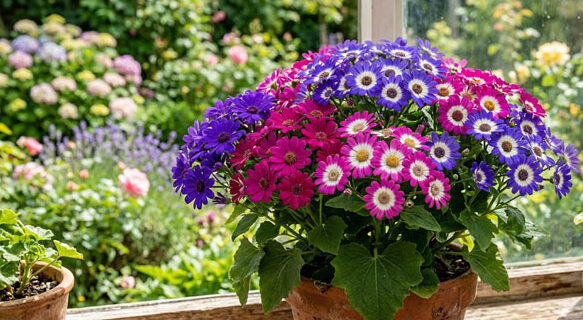
Cineraria is often associated with the meaning of “sharing happiness” in the language of flowers. It typically grows between 20 and 50 centimeters in height and produces striking blooms in shades of purple, pink, red, blue, and other vivid colors. Its flowers resemble small daisies and often cover the plant so densely that the foliage becomes almost hidden beneath them.
One of the most important things to understand about cineraria is that it thrives in cool conditions. Unlike many common houseplants, it does not appreciate excessive warmth. When kept in temperatures that are too high, the flowers may fade quickly and the leaves can begin to droop.
Why Does My Cineraria Wilt So Quickly?
The most common reasons are temperature and airflow.
Cineraria performs best in cool environments ranging from 10°C to 15°C (50°F to 59°F). When placed in a heated living room or near a strong heat source, the plant experiences stress, causing flowers to wither prematurely.
The secret to keeping cineraria healthy is remembering that the ideal environment for the plant is often cooler than what people consider comfortable indoors. Maintaining a consistently cool location can significantly extend the flowering period.
Watering and Moisture Management
Many gardeners say that successful plant care is largely about proper watering, and this is especially true for cineraria. Interestingly, cineraria enjoys consistent moisture but is also highly sensitive to overwatering.
Finding the Right Watering Time
The best approach is to water thoroughly when the top layer of soil begins to dry out.
A simple method is to insert your finger about 2 to 3 centimeters (approximately 1 inch) into the soil. If the soil feels dry at that depth, it is time to water.
When watering, avoid pouring water directly onto the flowers or leaves. Moisture remaining on the blooms can encourage fungal problems and may cause the petals to deteriorate. Instead, slowly pour water around the edge of the pot, allowing it to soak evenly into the root zone.
Preventing Overwatering
Healthy roots require both moisture and oxygen.
After watering, always empty any excess water collected in the saucer beneath the pot. Standing water is one of the leading causes of root rot.
If your pot has poor drainage, consider improving the soil structure by adding coarse materials such as pumice, perlite, or gravel to create a more effective drainage layer. Good drainage allows the roots to breathe and helps prevent moisture-related diseases.
Creating the Ideal Environment: Light and Air Circulation
Although cineraria appreciates bright light, direct sunlight can damage its leaves and flowers.
Bright indirect light is usually the ideal choice.
Managing Sunlight Effectively
Morning sunlight is generally gentle enough for cineraria and can encourage healthy growth and abundant flowering.
However, strong afternoon sun may scorch the leaves, especially during warmer months. If sunlight becomes intense, moving the plant to a partially shaded location can help protect it.
Insufficient light can also create problems. Plants grown in dim conditions often become leggy, producing elongated stems that struggle to support the flowers properly.
A bright windowsill with filtered sunlight is often one of the best locations for indoor cineraria.
Airflow Is Essential
Good airflow plays a crucial role in keeping cineraria healthy.
Poor ventilation creates conditions that encourage pests such as spider mites and aphids. These insects can quickly damage leaves and reduce the plant’s overall vigor.
To prevent problems, open a window regularly to allow fresh air to circulate. Even a brief period of ventilation each day can make a significant difference.
If natural ventilation is limited, using a small circulating fan can help maintain airflow around the plant. Proper air movement not only discourages pests but also reduces excess humidity that may contribute to fungal issues.
Common Mistakes and Practical Solutions
Even experienced plant owners occasionally encounter problems with cineraria. Fortunately, most issues can be corrected quickly when identified early.
When the Leaves Begin to Droop
Drooping leaves are usually caused by either insufficient moisture or excessive heat.
First, check the soil. If it feels dry, provide a thorough watering.
Next, move the plant to a cooler location with good airflow. In many cases, a wilted cineraria can recover noticeably within one or two hours after receiving water and relief from high temperatures.
When Flowers Turn Brown
Brown flowers often indicate that water has repeatedly come into contact with the blooms. In other cases, the flowers may simply be reaching the end of their natural lifespan.
Remove faded flowers promptly using clean scissors or pruning shears. This practice, known as deadheading, helps redirect the plant’s energy toward developing new buds and maintaining overall vigor.
Regular grooming also improves the plant’s appearance and encourages a longer flowering display.
Conclusion: How to Enjoy Cineraria for Longer
Cineraria may not bloom all year long, but during its flowering season it provides an incredible display of color and beauty.
The key care principles are surprisingly simple:
- Maintain cool temperatures between 10°C and 15°C (50°F to 59°F).
- Water thoroughly when the top layer of soil becomes dry.
- Ensure consistent airflow and good ventilation.
By focusing on these three essentials, you can dramatically improve the health and longevity of your cineraria.
If you have a cineraria plant at home, consider moving it today to a cool windowsill, enclosed balcony, or another well-ventilated location. A small adjustment in its environment can make a remarkable difference.
With proper care, cineraria will reward you with weeks of brilliant blooms, bringing the freshness and vibrancy of spring into your home.