For centuries, orchids have symbolized elegance, integrity, and refined character. They have long been regarded as one of the most meaningful gifts for celebrating achievements, expressing gratitude, or honoring important occasions. More than just beautiful flowers, orchids represent patience, care, and dedication because they require attentive cultivation to thrive. In many ways, an orchid serves as a bridge between the thoughtfulness of the giver and the appreciation of the recipient.
Whether presented for a promotion, a grand opening, or a special milestone, orchids continue to be one of the most respected and cherished plant gifts around the world.
Why Are Orchids Such Popular Gifts?
Orchids are often the first choice when celebrating significant life events such as promotions, business openings, appointments to new positions, and personal achievements.
One reason for their popularity is the symbolism attached to them. Orchids are commonly associated with enduring affection, success, prosperity, and respect. Giving an orchid conveys a message that extends beyond congratulations—it reflects sincere wishes for continued growth and achievement.
Another reason orchids are valued as gifts is their practicality. Unlike cut flowers that may last only a few days, a healthy orchid can remain beautiful for weeks or even months. Many orchid varieties also improve indoor environments by contributing to air purification and adding natural elegance to homes and offices.
Their graceful appearance makes them suitable for nearly any setting, from professional workplaces to cozy living rooms.
Popular Types of Gift Orchids
There are many orchid varieties available, but they generally fall into two broad categories.
Traditional Asian orchids are admired for their subtle fragrance, graceful leaves, and understated beauty. They often appeal to individuals who appreciate simplicity and sophistication.
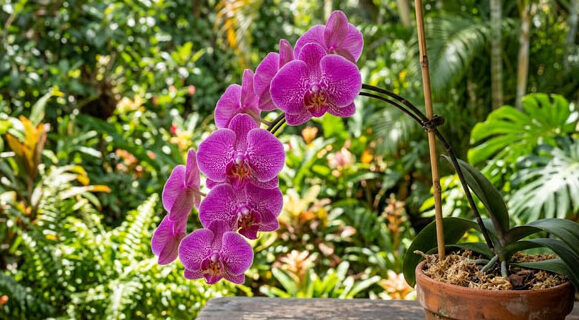
Western orchids, particularly Phalaenopsis orchids, are known for their large blooms and vibrant colors. Their striking appearance makes them a popular choice for celebrations and decorative displays.
When selecting an orchid as a gift, it is helpful to consider both the recipient’s personal preferences and the environment where the plant will be displayed. A carefully chosen orchid often feels more meaningful because it reflects thoughtfulness and attention to detail.
Three Essential Factors for Successful Orchid Care
Many people believe orchids are difficult to grow. While they do have specific requirements, understanding a few basic principles makes orchid care much easier than most beginners expect.
The three most important factors are light, temperature, and airflow.
1. Providing the Right Amount of Light
Orchids generally prefer bright, indirect sunlight rather than direct exposure to intense sun.
A location near a window with filtered light is usually ideal. Direct sunlight can scorch leaves and flowers, while insufficient light may prevent blooming and cause weak, stretched growth.
A simple curtain that softens sunlight often provides the perfect balance. If the leaves appear dark green and growth is slow, the plant may need more light. If the leaves develop yellow or brown patches, excessive sunlight may be the cause.
Maintaining moderate, consistent light is one of the most effective ways to encourage healthy growth and flowering.
2. Balancing Temperature and Airflow
Most orchids thrive in temperatures between 15°C and 25°C (59°F to 77°F).
During winter, temperatures should ideally remain above 10°C (50°F). Extreme cold can damage roots and slow growth significantly.
Good airflow is equally important. In their natural habitats, orchids often grow in environments with constant air movement. Stagnant indoor air can encourage fungal diseases and pest infestations.
Opening windows periodically to allow fresh air circulation helps maintain a healthier growing environment. If natural ventilation is limited, using a small fan to gently circulate air around the plant can be highly beneficial.
3. Managing Humidity Properly
Humidity plays a crucial role in orchid health.
Many orchid species naturally grow in tropical or subtropical environments where humidity levels are relatively high. Increasing humidity around the plant can improve overall growth and flowering performance.
A humidifier can be helpful, especially during dry winter months. Another option is lightly misting the air around the plant. However, avoid spraying water directly onto the flowers, as moisture on the petals may shorten the lifespan of the blooms.
Maintaining balanced humidity without excessive moisture is the key to success.
A Simple Watering Guide for Beginners
Watering is often the aspect of orchid care that causes the most confusion.
Rather than following a strict schedule, it is more effective to observe the condition of the potting medium and the plant itself.
How to Know When to Water
Orchid roots require both moisture and oxygen.
Watering should typically occur when the potting medium has dried out and the pot feels noticeably lighter when lifted. Depending on the season and growing conditions, this may vary.
In spring and autumn, watering every seven to ten days is often sufficient. During the warmer summer months, orchids may require more frequent watering. In winter, when growth slows, watering every two weeks may be enough.
Learning to observe the plant rather than relying solely on a calendar leads to much healthier orchids.
The Correct Way to Water Orchids
When watering, thoroughly soak the potting medium until water flows from the drainage holes at the bottom of the pot.
Many experienced growers prefer using water that has been left standing for several hours or overnight. This allows chlorine commonly found in tap water to dissipate, creating a gentler environment for sensitive roots.
After watering, always empty any water that collects in the saucer beneath the pot. Standing water can quickly lead to root rot, one of the most common causes of orchid failure.
Common Mistakes and How to Avoid Them
One of the biggest challenges in orchid care is resisting the urge to do too much.
Many well-intentioned plant owners accidentally harm their orchids through excessive watering or over-fertilization.
Overwatering and Fertilizer Issues
The most common cause of orchid decline is overwatering.
Roots that remain constantly wet lose access to oxygen and eventually begin to rot. In many cases, slightly underwatering an orchid is safer than keeping it overly wet.
Fertilizer should be applied sparingly during active growth periods, typically in spring and autumn. A diluted orchid fertilizer works best. When the plant is actively blooming, fertilization is generally unnecessary and may even shorten the flowering period.
Preventing Pests and Diseases
Regular observation is one of the most effective forms of prevention.
If white powdery residue, unusual spots, or discoloration appears on the leaves, prompt action should be taken. Cleaning the leaves or applying an appropriate plant treatment early can prevent more serious problems from developing.
Inspecting both sides of the leaves regularly helps identify issues before they become severe. Fortunately, maintaining proper airflow significantly reduces the likelihood of most pest and disease problems.
Conclusion: Care Creates Beauty
An orchid spends months preparing for the moment when its flowers finally bloom.
The beauty that orchids display is the result of patience, consistency, and proper care. For this reason, an orchid is much more than a decorative plant. It is a living reminder that meaningful growth often takes time.
If you have received an orchid as a gift, try viewing it not simply as an ornament but as a living companion that responds to attention and care. Start with small habits—check the airflow near your window, observe the moisture level of the growing medium, and spend a few moments each day noticing changes in the plant.
These simple actions can help your orchid remain healthy, vibrant, and beautiful for a very long time.