Every spring, there are certain flowers that instantly capture attention, even from a distance. For me, the Lily Magnolia is one of those plants. While many trees are still waking up from winter, Lily Magnolias begin producing striking purple-pink flowers that seem to appear almost overnight. Seeing those blooms for the first time each year always feels like a reminder that warmer days are finally on the way.
Unlike some flowering trees that require a large garden, Lily Magnolia remains relatively compact, making it a practical choice for many home landscapes. Its elegant flowers, manageable size, and symbolic meaning have made it a favorite among gardeners for generations.
Whether you are interested in its role as a birth flower, considering adding one to your garden, or simply curious about its symbolism, understanding this remarkable plant can help you appreciate why it continues to be so widely loved.
Why Lily Magnolia Stands Out Among Spring Flowers
One of the reasons people are drawn to Lily Magnolia is its unique flowering habit.
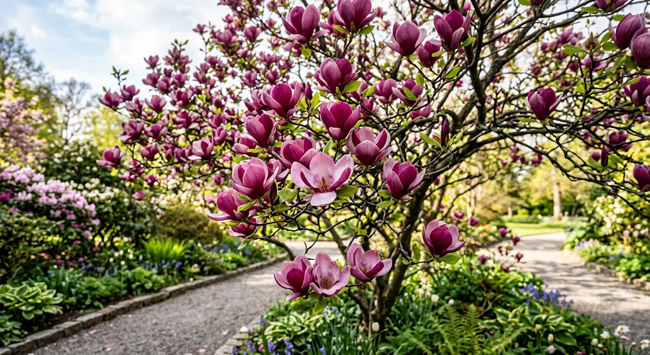
Many plants wait until their leaves have fully developed before producing flowers. Lily Magnolia often does the opposite. Its large, tulip-shaped blooms appear while branches are still mostly bare, creating a dramatic display that is difficult to miss.
The flowers are typically deep purple or reddish-pink on the outside and lighter on the inside. When several blooms open at once, the contrast creates an impressive show that can transform an ordinary garden corner into a focal point.
I remember visiting a neighborhood garden one spring where a mature Lily Magnolia was in full bloom. Although there were many other plants nearby, almost everyone stopped to admire the magnolia first. Its flowers seemed to draw attention naturally without needing any special arrangement or landscaping.
Another reason for its popularity is that it offers beauty without requiring an enormous amount of space. Unlike some magnolia species that eventually become very large trees, Lily Magnolia grows more like a shrub or small tree, making it suitable for smaller gardens and residential landscapes.
The Meaning and Symbolism of Lily Magnolia
Flowers often carry symbolic meanings, and Lily Magnolia is no exception.
In many cultures, magnolias are associated with dignity, grace, perseverance, and natural beauty. Because the flowers appear early in the season, they are also seen as symbols of renewal and fresh beginnings.
As a birth flower, Lily Magnolia is often connected with people who possess quiet strength and resilience. The plant’s ability to bloom confidently after winter has made it a symbol of hope and endurance.
What I find interesting is that Lily Magnolia does not produce small, delicate flowers that easily go unnoticed. Instead, it blooms boldly and confidently even when the landscape around it is still recovering from winter. In that sense, its symbolism feels surprisingly fitting.
Many gardeners choose magnolias not only because they are attractive but because they add a sense of character and meaning to the garden. A flowering plant can be beautiful on its own, but understanding the story behind it often makes it even more enjoyable to grow.
Growing Lily Magnolia Successfully
Although Lily Magnolia looks elegant and delicate when in bloom, it is actually quite manageable when planted in the right location.
Choosing the Right Spot
The first step is selecting an appropriate planting site.
Lily Magnolia performs best in areas that receive plenty of sunlight, particularly during the morning. While it can tolerate some afternoon shade, consistent sunlight generally encourages stronger flowering.
One thing I have noticed in many gardens is that magnolias planted in heavily shaded locations tend to produce fewer flowers. They may remain healthy, but they rarely deliver the spectacular spring display that gardeners hope for.
Providing enough space is also important. Even though Lily Magnolia stays relatively compact compared to larger magnolia species, it still benefits from good air circulation and room to develop naturally.
Soil and Water Requirements
Healthy soil makes a significant difference.
Lily Magnolia prefers well-draining soil rich in organic matter. Before planting, many gardeners improve the soil by incorporating compost, which helps retain moisture while maintaining drainage.
Like many ornamental shrubs, Lily Magnolia appreciates consistent moisture but does not tolerate soggy conditions well.
One common mistake is assuming that frequent watering automatically leads to healthier growth. In reality, poor drainage often causes more problems than temporary dryness. Allowing water to sit around the roots for extended periods can stress the plant and increase the risk of root-related issues.
A layer of mulch around the base helps maintain moisture while reducing temperature fluctuations during the warmer months.
Pruning and Seasonal Care
Fortunately, Lily Magnolia requires relatively little pruning.
Most of the time, removing damaged, crossing, or overcrowded branches is sufficient. If shaping is necessary, it is best done shortly after flowering ends.
This timing is important because the plant begins developing future flower buds soon after blooming. Heavy pruning later in the season may reduce the number of flowers produced the following spring.
Young plants can also benefit from extra protection during severe winters, especially in colder regions where late frosts occasionally damage flower buds.
Common Growing Mistakes
Over the years, I have noticed that many problems with Lily Magnolia are not caused by pests or diseases but by simple planting mistakes.
One of the most frequent issues is planting too deeply.
When the root ball is buried below the surrounding soil level, the plant may struggle to establish itself properly. Positioning the root flare at or slightly above ground level usually produces better results.
Another mistake is excessive fertilization.
Many gardeners assume more fertilizer means more flowers. In reality, too much nitrogen often encourages leafy growth while reducing flowering performance. A balanced approach generally works best.
Patience is also important. Newly planted magnolias sometimes take time to settle into their environment before reaching their full flowering potential.
Conclusion
Lily Magnolia is much more than a beautiful spring-flowering shrub. Its early blooms, symbolic meaning, and manageable size make it one of the most rewarding ornamental plants for home gardens.
What I appreciate most about Lily Magnolia is that it never seems to demand attention, yet it effortlessly earns it. Each spring, its vibrant flowers arrive before much of the garden has fully awakened, creating a display that feels both dramatic and timeless.
With adequate sunlight, well-drained soil, and a little patience, Lily Magnolia can become a lasting centerpiece in almost any landscape.
For gardeners looking to add beauty, symbolism, and seasonal interest to their outdoor spaces, few plants make a stronger impression than the Lily Magnolia.