
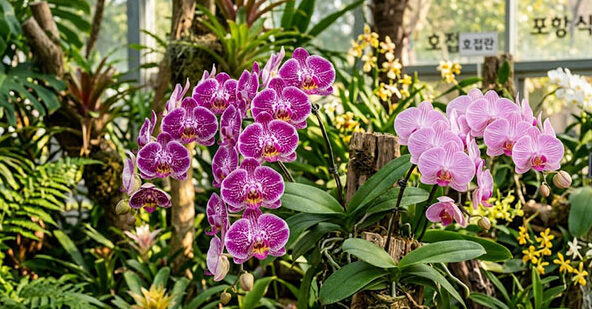
Few flowers possess the elegance, mystery, and timeless beauty of the Phalaenopsis orchid, commonly known as the Moth Orchid. Admired for its graceful blooms and remarkable longevity, this orchid has become one of the most beloved ornamental plants in the world. Yet beyond its stunning appearance lies a rich tapestry of legends, cultural symbolism, and fascinating botanical characteristics that have captivated people for centuries.
Native to the tropical forests of Southeast Asia, the Philippines, and northern Australia, the Phalaenopsis orchid carries an aura of enchantment that seems to bridge the gap between nature and myth. Its delicate flowers resemble butterflies suspended in flight, inspiring countless stories about transformation, beauty, and spiritual awakening.
In this article, we will explore the origins, legends, symbolism, and care of the extraordinary Phalaenopsis orchid.
The Origin of Phalaenopsis Orchids
From Tropical Rainforests to Modern Homes
The scientific name Phalaenopsis comes from the Greek words phalaina meaning “moth” and opsis meaning “appearance.” The name was inspired by the flower’s resemblance to a cluster of moths fluttering among tropical trees.
These orchids naturally grow in the humid rainforests of Southeast Asia, where they attach themselves to tree trunks and branches high above the forest floor. Unlike many plants, they do not grow in soil. Instead, they absorb moisture and nutrients directly from the air, rain, and organic debris around them.
Because of their unusual growing habits, ancient observers often believed that these flowers possessed magical qualities. Their ability to thrive without touching the earth contributed to numerous myths surrounding their origin and symbolism.
Botanical Wonders of the Moth Orchid
Nature’s Living Masterpiece
Phalaenopsis orchids belong to a group known as epiphytes. Rather than acting as parasites, they simply use trees as physical support while remaining completely independent.
This remarkable characteristic has long been associated with:
- Self-sufficiency
- Grace under pressure
- Spiritual elevation
- Independence
Their broad green leaves store moisture, while specialized aerial roots capture water from the atmosphere. The flowers themselves can remain in bloom for several months, making them one of the longest-lasting flowering plants available.
This extraordinary longevity has helped establish the orchid as a symbol of endurance and lasting beauty throughout many cultures.
The Legend of the Moth Orchid
The Maiden Who Became a Flower
Among various Southeast Asian folk traditions, Phalaenopsis orchids are often linked to stories of transformation.
One popular legend tells of a young village maiden who became fascinated by the butterflies dancing above the rainforest canopy. She dreamed of soaring freely among them and prayed to the forest spirits to grant her wings.
The spirits listened to her heartfelt wish. When the maiden eventually passed from the world, they transformed her soul into a beautiful flower shaped like a butterfly. High among the trees, she could finally live among the creatures she admired most.
According to the legend, every blooming Phalaenopsis orchid represents a fragment of her spirit, forever suspended between earth and sky.
This story has made the orchid a symbol of:
- Transformation
- Freedom
- Spiritual growth
- Eternal beauty
Ancient Symbolism Across Cultures
The Orchid in Chinese Tradition
In traditional Chinese culture, orchids have long represented refinement, prosperity, and intellectual achievement.
The famous philosopher Confucius praised orchids as symbols of noble character and virtue. Their subtle beauty and elegant appearance reflected qualities that were highly valued among scholars and leaders.
Because Phalaenopsis orchids bloom for exceptionally long periods, they are also associated with:
- Longevity
- Family harmony
- Abundance
- Good fortune
Even today, blooming orchids are popular gifts during Lunar New Year celebrations and important family occasions.
A Symbol of Lasting Love
Unlike many flowers that fade within days, Phalaenopsis orchids can maintain their beauty for several months. As a result, they have become powerful symbols of enduring affection and commitment.
Many people view the orchid as a reminder that meaningful relationships require patience, care, and consistency to flourish.
Modern Symbolism Around the World
Love, Luxury, and Elegance
In contemporary flower language, Phalaenopsis orchids are commonly associated with:
- Deep affection
- Luxury
- Beauty
- Sophistication
- Admiration
Their perfectly balanced petals and graceful stems make them a favorite choice for weddings, anniversaries, and special celebrations.
Because they require attentive yet gentle care, they are often given as gifts to symbolize relationships that have been nurtured with patience and devotion.
A Statement of Refined Taste
Interior designers frequently incorporate orchids into homes, offices, and luxury spaces. Their symmetrical blooms and minimalist elegance represent harmony between nature and modern living.
The presence of a blooming orchid often conveys a sense of tranquility, refinement, and timeless beauty.
The Spiritual Meaning of Phalaenopsis Orchids
Reaching Higher Awareness
Many practitioners of meditation and mindfulness view the Phalaenopsis orchid as a symbol of spiritual awakening.
Its natural tendency to grow high among tree branches has inspired metaphors about transcending ordinary concerns and reaching a higher level of consciousness.
Because the orchid flourishes closer to sunlight and fresh air than the forest floor, it is often interpreted as representing:
- Enlightenment
- Inner peace
- Personal growth
- Connection to higher wisdom
The orchid reminds us that beauty often emerges when we rise above life’s distractions and focus on what truly matters.
Cultivating the Legend: How to Care for Phalaenopsis Orchids
Creating the Right Environment
To successfully grow a Phalaenopsis orchid, it helps to recreate its native tropical habitat.
Provide:
- Bright, indirect sunlight
- Warm temperatures between 70°F and 85°F (21°C–29°C)
- Moderate humidity
- Good air circulation
Direct sunlight should be avoided, as it can scorch the leaves and damage delicate blooms.
Watering and Maintenance
Overwatering is the most common mistake orchid owners make.
Because Phalaenopsis orchids are epiphytes, their roots need access to oxygen.
A good rule is to water thoroughly once a week and then allow excess moisture to drain completely.
You can often determine watering needs by observing the roots:
- Green roots = adequately hydrated
- Silvery-gray roots = ready for watering
Proper drainage is essential for long-term plant health.
Common Orchid Care Mistakes to Avoid
Overwatering
Allowing roots to sit in water can quickly lead to root rot. Always use orchid-specific potting media and containers with drainage holes.
Temperature Extremes
Keep orchids away from air conditioning vents, heaters, and cold drafts.
Ignoring Pest Problems
Regularly inspect leaves and roots for signs of insects such as scale, mealybugs, or spider mites.
Early detection helps prevent larger infestations and keeps the plant healthy.
Insufficient Light
A lack of light may prevent flowering. Bright but indirect light is the key to consistent blooming.
Frequently Asked Questions About Phalaenopsis Orchids
Why are Phalaenopsis orchids called Moth Orchids?
Their flowers resemble moths or butterflies in flight, which inspired their scientific name.
How long do Phalaenopsis flowers last?
Individual blooms can last several months, making them one of the longest-lasting flowering houseplants.
Are Phalaenopsis orchids difficult to grow?
No. They are considered one of the easiest orchid species for beginners when given proper light and watering conditions.
What do Phalaenopsis orchids symbolize?
They symbolize love, elegance, prosperity, endurance, and spiritual growth.
Can Phalaenopsis orchids bloom again?
Yes. With proper care, healthy plants can rebloom year after year.
Conclusion
The Phalaenopsis orchid is far more than a decorative houseplant. It is a living symbol of beauty, transformation, and resilience that has inspired myths and legends across generations.
From tropical rainforests and ancient folklore to modern homes and spiritual practices, this extraordinary flower continues to capture human imagination. Whether you are drawn to its elegant blossoms, its cultural significance, or the enchanting legend of the maiden transformed into a flower, the Phalaenopsis orchid offers a timeless reminder of nature’s wonder.
If you choose to grow one of these remarkable orchids, remember that patience is just as important as water and sunlight. By understanding its needs and appreciating the stories behind its beauty, you can keep this legendary flower blooming in your home for many years to come.