
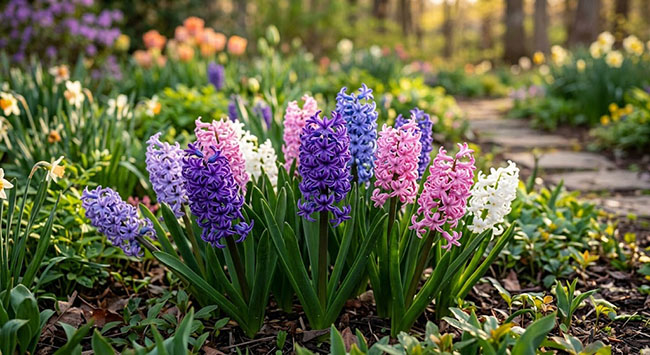
Hyacinths are among the most beloved spring flowers, known for their vibrant colors, elegant flower spikes, and unforgettable fragrance. Whether planted in garden beds, containers, or displayed indoors, these stunning blooms bring life and beauty to any space. Their sweet scent can fill an entire room, making them a favorite among gardeners and flower enthusiasts alike.
Beyond their visual appeal, hyacinths have a rich cultural history and symbolic meaning that dates back thousands of years. From ancient Greek mythology to modern flower symbolism, these flowers continue to captivate people around the world. Understanding the characteristics of hyacinths can help gardeners grow healthier plants while also appreciating the fascinating stories behind them.
Botanical Overview
Hyacinth (Hyacinthus orientalis) is a perennial flowering bulb native to the eastern Mediterranean region, including parts of Turkey, Syria, and Lebanon. It belongs to the asparagus family (Asparagaceae) and is celebrated for its dense clusters of bell-shaped flowers that bloom in early to mid-spring.
Each bulb produces a sturdy flower spike covered with dozens of small blossoms. The flowers grow closely together, creating a full, cone-shaped appearance that stands out in any garden setting. Depending on the variety, hyacinths typically reach a height of 6 to 12 inches (15 to 30 cm).
One of the flower’s most remarkable features is its powerful fragrance. Many gardeners consider hyacinths among the most fragrant spring-blooming flowers available. Their scent is rich, sweet, and easily recognizable, often attracting pollinators such as bees during the blooming season.
Varieties and Color Palette
One of the reasons hyacinths remain so popular is their incredible variety of colors. While deep blue and purple cultivars are perhaps the most famous, modern breeding programs have produced an impressive range of shades.
Common hyacinth colors include:
- Blue
- Purple
- Pink
- Red
- White
- Yellow
- Orange
- Lavender
Each flower consists of six petals that gently curve backward, creating a star-like shape when viewed closely. The vibrant colors combined with their strong fragrance make hyacinths a centerpiece in spring landscapes.
Different varieties may also bloom at slightly different times, allowing gardeners to extend the flowering season by planting multiple cultivars together.
The Profound Symbolism of Hyacinths
Historical and Cultural Significance
The name “hyacinth” originates from Greek mythology. According to legend, Hyacinthus was a handsome young prince loved by the god Apollo. During a friendly athletic competition, Hyacinthus was accidentally struck and killed by a discus. Overcome with grief, Apollo transformed the young man’s spilled blood into a beautiful flower, which became known as the hyacinth.
Because of this tragic origin, hyacinths have long been associated with emotions such as sorrow, remembrance, and deep affection. Over time, however, the flower’s symbolism expanded to include sincerity, devotion, and joy.
Throughout history, hyacinths have appeared in literature, art, and religious symbolism, representing both the fragility and beauty of life.
Modern Flower Meanings
Today, the symbolic meaning of a hyacinth often depends on its color.
Blue Hyacinth
Blue hyacinths symbolize sincerity, trust, and steadfast affection. They are often given to express loyalty and deep emotional connections.
Purple Hyacinth
Purple hyacinths traditionally represent sorrow, regret, or a desire for forgiveness. They can be used to convey heartfelt apologies.
Pink Hyacinth
Pink varieties symbolize happiness, playfulness, and joyful emotions. They are often associated with celebrations and positive relationships.
White Hyacinth
White hyacinths represent purity, innocence, and prayers for someone special. They are frequently used in weddings and memorial arrangements.
Yellow Hyacinth
Yellow hyacinths may symbolize jealousy in traditional flower language, although they can also represent energy, optimism, and friendship in modern interpretations.
Expert Guide to Growing Hyacinths
The Secret to Successful Bulb Planting
Timing is one of the most important factors when growing healthy hyacinths. Bulbs should be planted in the fall, approximately six to eight weeks before the first expected frost.
Choose a location that receives full sun or partial shade and ensure the soil drains well. Hyacinths dislike sitting in wet soil, which can cause bulb rot. If your garden contains heavy clay, consider mixing in compost, sand, or gravel to improve drainage.
Plant bulbs:
- 4 to 6 inches (10–15 cm) deep
- 3 to 6 inches (7.5–15 cm) apart
- Pointed side facing upward
After planting, water the bulbs thoroughly to encourage root development before winter arrives.
Indoor vs. Outdoor Growing
Hyacinths are remarkably versatile and can thrive both indoors and outdoors.
For indoor blooming, bulbs can be forced to flower during winter. To achieve this, place the bulbs in a cool, dark environment between 39°F and 50°F (4°C–10°C) for approximately 10 to 12 weeks. This chilling period mimics natural winter conditions.
Once roots have developed and shoots begin to emerge, move the bulbs to a brighter and warmer location. Within a few weeks, beautiful blooms will appear.
Outdoor-grown hyacinths follow their natural growth cycle. After flowering, allow the foliage to remain until it naturally turns yellow. This process helps the bulb store energy for next year’s blooms.
Essential Care and Maintenance Tips
Watering and Fertilizing
During active growth, keep the soil consistently moist but never waterlogged. Overwatering is one of the most common causes of bulb failure.
Fertilization is most effective in early spring when new shoots first emerge. A balanced slow-release bulb fertilizer provides the nutrients necessary for healthy flowering and future bulb development.
After blooming has finished, reduce watering and allow the plant to enter its natural dormancy period.
Common Problems and Solutions
One common issue with hyacinths is flower spikes becoming top-heavy and falling over. Their dense flower clusters can occasionally outweigh the strength of the stem.
To prevent this:
- Plant in areas protected from strong winds.
- Provide light support with small stakes if necessary.
- Avoid excessive nitrogen fertilizer, which may encourage weak growth.
Another important consideration is bulb handling. Hyacinth bulbs contain oxalic acid, which may irritate sensitive skin. Wearing gardening gloves when planting or dividing bulbs is highly recommended.
Pest and Disease Management
Hyacinths are generally resilient plants, but they can occasionally experience problems.
Bulb Rot
Poor drainage and excessive moisture are the leading causes of bulb rot. Ensuring proper soil drainage is the best preventive measure.
Aphids
Aphids may feed on young leaves and flower buds. These pests can often be controlled using insecticidal soap or neem oil.
Slugs and Snails
Slugs and snails sometimes damage emerging foliage. Organic slug traps and regular garden inspections can help reduce infestations.
Fungal Diseases
Fungal issues may occur in humid environments. Proper spacing between plants improves air circulation and helps prevent disease development.
Frequently Asked Questions About Hyacinths
Are hyacinths perennial flowers?
Yes. Hyacinths are perennial bulbs that return each spring when properly cared for.
Do hyacinths come back every year?
Most hyacinths will rebloom annually, although flower size may gradually decrease over time if bulbs are not divided or fertilized.
Can hyacinths be grown indoors?
Absolutely. Hyacinths are one of the easiest bulbs to force indoors during winter.
Why are my hyacinths falling over?
Their heavy flower clusters can sometimes cause stems to bend. Providing support and ensuring adequate sunlight can help prevent this problem.
Are hyacinths toxic?
Yes. Hyacinth bulbs contain compounds that may be toxic if ingested by humans, cats, or dogs. Keep bulbs away from pets and small children.
Conclusion
With their vibrant blooms, unforgettable fragrance, and rich symbolism, hyacinths remain among the most treasured flowers of spring. Their ability to thrive in gardens, containers, and indoor displays makes them a versatile choice for flower lovers of all experience levels.
By understanding their specific needs—including proper planting depth, well-draining soil, and a necessary winter chilling period—you can enjoy healthy and beautiful blooms year after year. Whether you admire them for their stunning appearance, their captivating scent, or the mythology behind their name, hyacinths offer a rewarding gardening experience that never goes out of style.
As autumn arrives, consider planting a few quality hyacinth bulbs and look forward to a spectacular display of color and fragrance when spring returns