
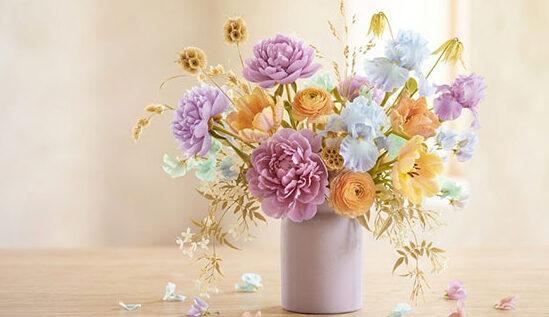
Fresh flowers can instantly brighten a room. Whether they come from a garden, a local flower shop, or a special occasion, cut flowers bring color, fragrance, and a sense of freshness into the home. Unfortunately, many people have experienced the disappointment of watching a beautiful bouquet begin to wilt after only a few days.
Over the years, I have found that keeping cut flowers fresh is not complicated, but it does require a few simple habits. In the past, I would place flowers directly into a vase and hope for the best. Sometimes they lasted a week, while other times they seemed to fade almost immediately. Eventually, I realized that small details—many of which are often overlooked—can significantly extend the life of cut flowers.
The good news is that you do not need expensive products or professional florist skills to enjoy fresh flowers for longer. With proper care, many bouquets can remain attractive for well over a week, and some varieties can last even longer.
Here are the methods that have consistently helped me keep cut flowers looking their best.
Start with a Clean Vase
One of the most common mistakes people make is reusing a vase without cleaning it thoroughly.
At first glance, a vase may appear clean, but invisible bacteria can remain inside from previous arrangements. These bacteria multiply quickly in water and can shorten the lifespan of flowers by blocking their ability to absorb moisture.
Whenever I bring home fresh flowers, I begin by washing the vase with warm water and mild soap. After rinsing thoroughly, I make sure no residue remains before adding fresh water.
This simple step takes only a few minutes but often makes a noticeable difference in how long flowers stay healthy.
Clean water combined with a clean vase creates a much better environment for the stems and helps prevent premature wilting.
Trim the Stems Properly
Another habit that dramatically improves flower longevity is trimming the stems before placing them in water.
Many flowers spend hours out of water during transportation. During that time, the stem ends can begin to dry out, making it more difficult for the flowers to absorb water efficiently.
I always cut approximately one to two centimeters from the bottom of each stem using clean scissors or pruning shears.
An angled cut is generally recommended because it increases the surface area available for water absorption. It also prevents the stem from sitting flat against the bottom of the vase, where water intake may be restricted.
For best results, stems should be recut every few days when changing the water.
This small maintenance step often helps flowers remain fresh noticeably longer.
Change the Water Regularly
Fresh water is one of the most important factors in extending the life of cut flowers.
When flowers sit in the same water for too long, bacteria begin to develop. The water may still appear clear, but harmful microorganisms can already be affecting the stems.
I try to replace the water every two or three days.
Whenever I change the water, I also rinse the vase and remove any leaves or plant material that may have fallen into the water. Decaying foliage encourages bacterial growth and can quickly reduce flower quality.
Many florists also recommend using flower food. If flower food is included with a bouquet, it is usually worth using because it provides nutrients while helping control bacterial growth.
Regular water changes may seem like a small detail, but they are often one of the most effective ways to keep flowers healthy.
Keep Flowers Away from Heat and Direct Sunlight
A common assumption is that flowers enjoy the same conditions as many houseplants. Surprisingly, this is not always true.
Most cut flowers last longer in cooler environments.
Placing a bouquet in direct sunlight may look beautiful, but excessive heat often accelerates the aging process. Flowers exposed to strong sun frequently lose moisture faster and may begin wilting sooner than expected.
Similarly, flowers should be kept away from:
- Radiators
- Heating vents
- Fireplaces
- Kitchen appliances that generate heat
One mistake I used to make was placing bouquets near a sunny window because the arrangement looked attractive there. While the display was visually pleasing, the flowers rarely lasted as long.
Moving them to a bright but cooler location consistently improved their longevity.
Remove Wilting Flowers and Leaves
As flowers age, some blooms naturally begin fading before others.
It can be tempting to leave the arrangement untouched, but removing wilted flowers often helps preserve the overall appearance of the bouquet.
Dead or dying blooms can release ethylene gas, which may accelerate the aging of nearby flowers. Removing them promptly helps maintain the freshness of the remaining arrangement.
The same principle applies to leaves.
Any foliage below the waterline should be removed because submerged leaves decompose quickly and encourage bacterial growth.
A few minutes of maintenance every couple of days can dramatically improve both the appearance and lifespan of a bouquet.
Know That Different Flowers Have Different Lifespans
One thing I have learned from keeping fresh flowers at home is that not all flowers age at the same rate.
Some flowers naturally last much longer than others.
For example:
- Carnations often remain attractive for two weeks or more.
- Chrysanthemums are known for their impressive vase life.
- Alstroemeria can continue blooming for an extended period.
- Roses generally require more attention but can still last well over a week with proper care.
- Freesias provide wonderful fragrance but may have a slightly shorter display period depending on conditions.
Understanding these differences helps set realistic expectations.
Even with perfect care, some flowers simply have shorter natural lifespans than others.
The goal is not necessarily to make every flower last forever, but to help each variety reach its full potential.
Conclusion
Keeping cut flowers fresh longer does not require complicated techniques. In most cases, a few simple habits can significantly extend the beauty and enjoyment of a floral arrangement.
Starting with a clean vase, trimming stems properly, changing the water regularly, avoiding excessive heat, and removing fading blooms are all small actions that can make a noticeable difference.
Over time, I have found that flower care is less about special products and more about consistency. Flowers respond surprisingly well to regular attention and basic maintenance.
The next time you bring home a bouquet, try implementing these simple practices. You may be surprised by how much longer your flowers remain vibrant, fragrant, and beautiful.
With a little care, fresh flowers can continue brightening your home long after the day you brought them inside.