#modern society

Society

When Did Waiting Become So Difficult?

A few months ago, I caught myself becoming impatient over something that would have seemed ridiculous just a generation ago. I was waiting for a website to load. The page wasn’t frozen. My internet connection wasn’t broken. Nothing had gone wrong. The loading icon simply remained on the screen for a few extra seconds. Yet I felt annoyed. I remember staring at the screen, wondering why it was taking so long. Then another thought followed almost immediately. How long had I actually been waiting? Five seconds? Ten? Certainly not more than that. The strange thing wasn’t the delay. The strange thing was my reaction. Somewhere along the way, a few seconds had started to feel like a long time. That

parks
Society

Why Everything Feels Urgent All the Time

There was a time when waiting was simply part of life. If someone sent you a letter, you waited for a reply. If a friend wasn’t home when you called, you tried again later. If you ordered something, you expected it to arrive in a few days, not a few hours. Information was not instantly available, and communication was not constant. Looking back, that world feels surprisingly distant. Today, we live in an age built around speed. Messages arrive instantly. News spreads within seconds. Food can be delivered in less time than it takes to cook it yourself. We carry devices in our pockets that allow us to communicate with almost anyone, almost anywhere, at any time. Yet despite all

self checkout
Society

Why We Feel Busier Than Ever Even When Technology Saves Us Time

A few weeks ago, I found myself wondering how people managed daily life before smartphones, online banking, food delivery apps, and instant messaging. In theory, modern technology should have given us more free time than any generation before us. We can send a message in seconds. Pay bills without leaving home. Order groceries with a few taps. Find information almost instantly. Yet despite all these conveniences, many people still describe themselves using the same phrase: “I’m busy.” Not just occasionally busy. Constantly busy. The more I thought about it, the more I realized this feeling isn’t unique to me. Friends, coworkers, and even strangers often talk about being overwhelmed by schedules, notifications, and endless responsibilities. It made me wonder whether

community
Culture

Why Third Places Matter More Than Ever: What I Learned About Community in a Digital World

A few years ago, I realized something had quietly changed about my daily life. I was spending more time connected to people than ever before, yet I felt like I was interacting with fewer people in real life. My phone was full of messages. Social media feeds never stopped updating. Video calls had become routine. On paper, I was more connected than I had ever been. But outside of work and family, I rarely found myself having spontaneous conversations with strangers or spending time in places where people simply gathered without a specific purpose. That made me curious about something I had never paid much attention to before: the idea of a “third place.” Home is considered the first place.

Computers
Society

How Remote Work Is Changing Society

Not long ago, working from home was considered a rare privilege available to only a small number of professionals. Most people commuted to offices, interacted with coworkers in person, and structured their daily routines around a physical workplace. Today, remote work has become a normal part of life for millions of people around the world. Advances in technology, changing workplace expectations, and the growing acceptance of flexible work arrangements have transformed how many people approach their careers. While remote work initially gained widespread attention during global disruptions in the early 2020s, its influence has continued long after those events. What began as a temporary solution has evolved into a long-term shift that is changing not only how people work, but

Society

Why More People Are Choosing to Live Alone

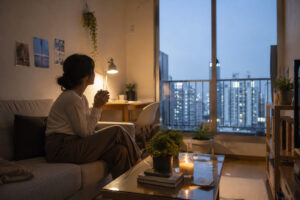
For much of modern history, living alone was often seen as unusual. Most people lived with family members, spouses, or roommates, whether by choice or necessity. Today, however, single-person households are becoming one of the fastest-growing living arrangements in many parts of the world. From large cities in Asia to suburban communities in North America and Europe, more people are choosing—or finding themselves living—on their own. According to demographic trends observed across developed countries, the number of one-person households has steadily increased over the past few decades. What was once considered an exception is gradually becoming a normal part of modern society. This shift is more than a housing trend. It reflects changes in work, relationships, technology, economics, and personal

parks
Society

Public Benches Are Playing a Bigger Role in Urban Life Than Many Realize

Most people rarely think about public benches. They sit down for a few minutes, check their phone, wait for a friend, or simply take a short break before continuing with their day. The bench serves its purpose and quickly fades into the background. Yet in many cities, these simple pieces of public furniture quietly support countless daily interactions. A walk through a busy neighborhood often reveals how frequently public seating is used. Older adults rest during morning walks. Office workers eat lunch outdoors. Parents watch children play nearby. Tourists stop to review maps or plan the next part of their trip. Throughout the day, different groups use the same spaces in different ways. What makes public benches interesting is not

Society

Community Sports Programs Continue to Bring Different Generations Together

On weekday evenings, local gyms, recreation centers, and school sports facilities often fill with people of different ages. Teenagers practice basketball on one court. Parents wait nearby while chatting with friends. Older adults participate in walking clubs, badminton groups, or fitness classes in neighboring spaces. Although everyone may arrive for different reasons, they often end up sharing the same community environment. These programs have become a familiar part of local life in many cities and towns. Unlike professional sports or highly competitive leagues, community sports programs are usually designed to be accessible. Participants do not need advanced skills or extensive experience. In many cases, the goal is simply to encourage regular activity while providing opportunities for people to spend time

parks
Society

How Apartment Living Is Changing Neighbor Relationships

For many people, apartment living has become a normal part of daily life. In large cities especially, apartment buildings continue to shape how residents experience community. Hundreds of people may live within the same complex, share the same elevators, walk through the same entrances, and use the same facilities, yet their relationships with neighbors can vary dramatically. Older generations often recall a time when neighbors knew one another more closely. Children played together outdoors, residents exchanged food, and conversations happened naturally throughout the day. While those experiences still exist in some communities, apartment living has introduced a different rhythm to neighborhood interactions. One reason is simply scale. Modern apartment complexes can house hundreds or even thousands of residents. In such

libraries
Society

Shared Workspaces Are Changing How People Use Public Places

A laptop, a pair of headphones, and a table near a power outlet are often all someone needs to work for a few hours. Not long ago, most people completed their work either in a traditional office or at home. Today, the situation looks different. Shared workspaces can be found in libraries, cafés, shopping centers, community buildings, and dedicated coworking facilities. In many cities, these spaces have quietly become part of everyday life. The change is easy to notice. On a weekday morning, a local café may contain a mix of students, freelancers, remote employees, and small business owners. Some stay for an hour. Others remain for most of the day. Although their jobs may be completely different, they often