
For many people, apartment living has become a normal part of daily life.
In large cities especially, apartment buildings continue to shape how residents experience community. Hundreds of people may live within the same complex, share the same elevators, walk through the same entrances, and use the same facilities, yet their relationships with neighbors can vary dramatically.
Older generations often recall a time when neighbors knew one another more closely. Children played together outdoors, residents exchanged food, and conversations happened naturally throughout the day. While those experiences still exist in some communities, apartment living has introduced a different rhythm to neighborhood interactions.
One reason is simply scale. Modern apartment complexes can house hundreds or even thousands of residents. In such environments, it is possible to recognize familiar faces without ever learning someone’s name. People frequently share physical space while maintaining relatively private lives.
Technology has also influenced how neighbors communicate. Building management apps, resident message boards, and group chats now handle many interactions that once occurred face-to-face. Announcements, maintenance requests, and community updates often arrive through notifications rather than conversations in hallways or common areas.
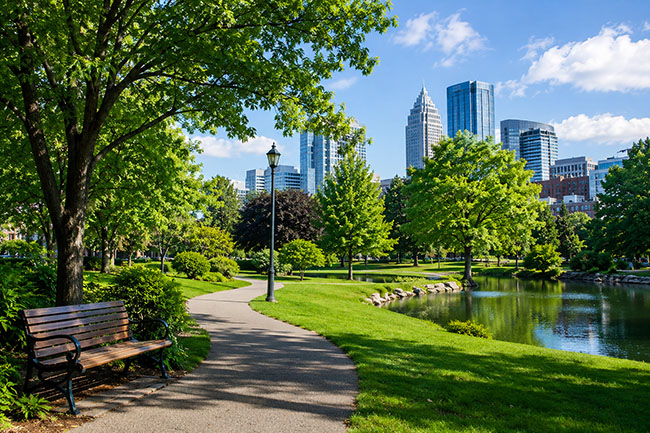
At the same time, apartment communities continue to create opportunities for connection. Shared gyms, walking paths, playgrounds, cafés, and community rooms encourage residents to spend time in common spaces. Parents may meet through children’s activities, while pet owners often become familiar with one another during daily walks.
Interestingly, many residents appear to prefer a balance between privacy and connection. They may not seek close relationships with every neighbor, but they still value a sense of familiarity and trust within the community. Knowing who lives nearby can provide a feeling of comfort without requiring constant interaction.
Developers have taken notice of these preferences. New residential projects increasingly include amenities designed to encourage casual encounters rather than organized social programs. Comfortable seating areas, rooftop gardens, and shared lounges create opportunities for interaction while allowing residents to participate on their own terms.
Remote work has also changed patterns of neighborhood life. As more people spend time closer to home during the day, residents are encountering neighbors more frequently than in the past. This shift has subtly altered how some communities function, particularly in buildings where shared facilities are regularly used.
Apartment living continues to evolve alongside broader social changes. The way people define community today may look different from previous generations, but the desire for connection has not disappeared. Instead, it has adapted to new environments and lifestyles.
For many residents, neighbor relationships are no longer defined by constant interaction. They are shaped by small moments of familiarity, shared spaces, and the quiet understanding that a community exists just beyond the front door.