
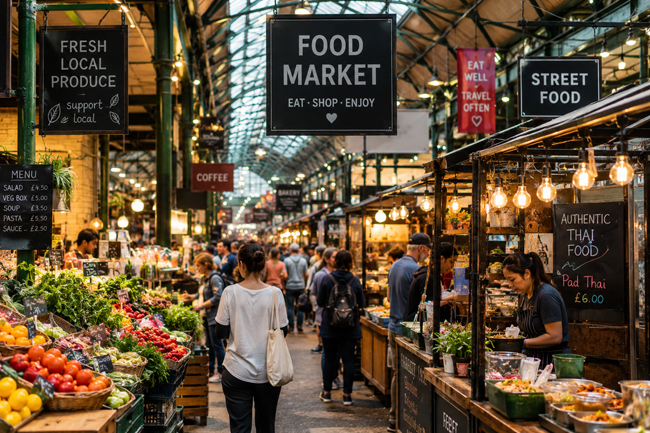
For many travelers, visiting a local food market is no longer just a way to find something to eat.
In cities around the world, food markets have become destinations in their own right. What were once primarily places for buying produce, seafood, and household ingredients now attract visitors looking for a broader cultural experience.
The appeal often begins with the atmosphere. Unlike supermarkets, food markets tend to reflect the character of the communities around them. Vendors greet regular customers by name, local specialties are displayed alongside seasonal ingredients, and visitors can observe daily routines that have often remained unchanged for years.
Many markets have also adapted to changing expectations. Traditional stalls increasingly operate alongside cafés, small restaurants, and specialty food vendors. Some markets host cooking demonstrations, live music performances, and cultural events that encourage visitors to spend more time exploring the area rather than simply making purchases and leaving.
For tourists, food markets provide a different perspective on a city. Popular landmarks often reveal a place’s history, but markets offer insight into everyday life. The ingredients people buy, the meals they prepare, and the conversations taking place between vendors and customers all help tell a story about local culture.
The growing popularity of food-focused travel has contributed to this trend. Many visitors now plan parts of their trips around regional cuisine, seeking experiences that feel authentic and connected to local traditions. Food markets naturally fit into that search because they combine history, community, and daily life in one location.
Social media has amplified their visibility. A market that was once known primarily to local residents can now attract international visitors after photos and videos are shared online. While some critics worry that increased tourism can change the character of traditional markets, many communities have found ways to balance local needs with visitor interest.
Interestingly, the most successful markets are often those that maintain a strong connection to the people who use them regularly. Tourists may contribute to the atmosphere, but local customers remain an essential part of what makes these places feel genuine.
The role of food markets continues to evolve. They still function as commercial spaces where goods are bought and sold, yet they increasingly serve as gathering places where culture is experienced rather than simply observed. Visitors come for the food, but many leave with a deeper understanding of the communities they have encountered.
As cities continue to invest in cultural tourism and local identity, food markets are likely to remain important attractions. Their combination of commerce, tradition, and everyday life offers something that is difficult to recreate elsewhere.
For many people, a market visit is no longer just another stop during the day. It has become part of how they experience a place and the people who call it home.