

#Culture

community
Culture

Why Third Places Matter More Than Ever: What I Learned About Community in a Digital World

A few years ago, I realized something had quietly changed about my daily life. I was spending more time connected to people than ever before, yet I felt like I was interacting with fewer people in real life. My phone was full of messages. Social media feeds never stopped updating. Video calls had become routine. On paper, I was more connected than I had ever been. But outside of work and family, I rarely found myself having spontaneous conversations with strangers or spending time in places where people simply gathered without a specific purpose. That made me curious about something I had never paid much attention to before: the idea of a “third place.” Home is considered the first place.

Hospitality
Culture

How Different Cultures Define Hospitality

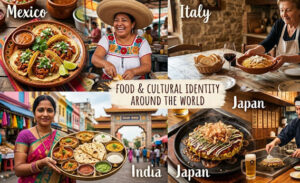
The first time I traveled abroad, I expected differences in language, food, and daily routines. What I did not expect was how differently people expressed hospitality. In some places, hospitality meant inviting guests into the home and serving a large meal. In others, it was expressed through thoughtful conversation, careful attention to comfort, or a willingness to help a stranger without expecting anything in return. The more I traveled and interacted with people from different backgrounds, the more I realized that hospitality is one of the few values shared by nearly every culture. Yet while the value itself may be universal, the way it is practiced can vary dramatically. What one culture considers warm and welcoming might feel unusual in

bookstores
Culture

Independent Bookstores Continue to Offer Experiences Beyond Shopping

Walking into an independent bookstore often feels different from entering a large retail chain. The shelves may be smaller. The selection may be more carefully curated. There may not be hundreds of copies of the latest bestseller stacked near the entrance. Instead, visitors are often greeted by handwritten recommendations, themed displays, and books chosen with a particular audience in mind. For many customers, that difference is precisely the appeal. Independent bookstores continue to operate in communities around the world despite significant changes in the publishing and retail industries. While online shopping offers convenience and large retailers provide extensive inventories, smaller bookstores have increasingly focused on something that cannot be packaged and shipped: experience. As a result, many independent bookstores have

community
Culture

Community Choirs Continue to Bring People Together Through Music

On a Tuesday evening, a group of people slowly gathers inside a community center. Some arrive directly from work. Others are retired and have more flexible schedules. A few are students. Most would not have crossed paths in their daily lives, yet within minutes they are standing side by side, sheet music in hand, preparing to rehearse the same song. Community choirs have existed for generations, but they continue to occupy a unique place in modern cultural life. While music is now more accessible than ever through streaming platforms and digital media, many people still choose to experience it in a much more traditional way—by singing together in the same room. What makes community choirs interesting is that they are

Culture

Traditional Craft Workshops Attract New Generations

On a weekend afternoon, a pottery studio in a busy city is filled with people carefully shaping clay by hand. A few streets away, a small woodworking workshop hosts a beginner class. Elsewhere, participants gather around tables learning leathercraft, weaving, or calligraphy. Many of them are trying these activities for the first time. For businesses built around traditional crafts, this growing interest has been difficult to ignore. Not long ago, many people assumed that handmade crafts would appeal mainly to specialists, collectors, or older generations. Yet workshops dedicated to traditional skills are increasingly welcoming younger participants who are curious about creating something with their own hands. Part of the attraction may be the experience itself. Much of modern life takes

haimnews
Culture

Local Theater Productions Continue to Find New Audiences

On a Friday evening, a small theater with fewer than a hundred seats begins to fill. There are no red carpets outside. No major celebrities appear on posters. Most people passing by might not even realize a performance is about to begin. Yet inside, actors make final preparations while audience members settle into their seats, waiting for the lights to dim. Scenes like this take place every week in cities and towns around the world. Local theater has never competed directly with large film studios or major entertainment companies. Its appeal comes from something different. Every performance happens in real time, with actors and audiences sharing the same space. No two shows are exactly alike, even when the script remains

haimnews
Culture

Local History Museums Are Finding New Ways to Engage Visitors

Small history museums rarely receive the same attention as major tourist attractions. Visitors traveling to a new city often focus on famous landmarks, restaurants, and shopping districts. Museums dedicated to local history can easily be overlooked, especially when they occupy older buildings or operate on a much smaller scale than national institutions. Yet in many communities, these museums are quietly attracting new audiences. Part of the change comes from how exhibitions are being presented. Rather than relying solely on display cases and information panels, many museums are introducing interactive elements that encourage visitors to participate. Historical photographs are being paired with personal stories. Audio recordings allow residents to share memories of neighborhoods that have changed over time. Some museums even

food
Culture

Food Markets Become Cultural Destinations for Visitors

For many travelers, visiting a local food market is no longer just a way to find something to eat. In cities around the world, food markets have become destinations in their own right. What were once primarily places for buying produce, seafood, and household ingredients now attract visitors looking for a broader cultural experience. The appeal often begins with the atmosphere. Unlike supermarkets, food markets tend to reflect the character of the communities around them. Vendors greet regular customers by name, local specialties are displayed alongside seasonal ingredients, and visitors can observe daily routines that have often remained unchanged for years. Many markets have also adapted to changing expectations. Traditional stalls increasingly operate alongside cafés, small restaurants, and specialty food

records
Culture

Vinyl Records Continue to Find New Listeners in the Streaming Era

Music has never been easier to access. A smartphone and a streaming subscription can provide instant access to millions of songs from almost any genre. Yet despite this convenience, vinyl records continue to attract new listeners. Record stores in many cities report steady interest from both longtime collectors and younger buyers purchasing vinyl for the first time. What was once considered a niche hobby has become a visible part of contemporary music culture. Part of the appeal comes from the experience surrounding physical music formats. Streaming services prioritize convenience, allowing listeners to move quickly from one song to another. Vinyl records encourage a different approach. Selecting an album, placing the record on a turntable, and listening from beginning to end

haimnews
Culture

Independent Cinema Finds New Audiences Through Community Screenings

Not every film begins its journey in a major theater. Across many cities, community screenings have become an increasingly visible part of the cultural landscape, offering independent filmmakers a way to connect with audiences outside traditional distribution channels. While blockbuster releases continue to dominate commercial cinemas, smaller productions are finding opportunities in local venues, cultural centers, and community events. For many viewers, the appeal lies in the experience itself. Community screenings often feel different from conventional movie outings. Instead of large crowds and multiple screening rooms, audiences gather in smaller spaces where the atmosphere is more personal and focused. In some cases, filmmakers attend the events and participate in discussions after the screening, creating direct interaction between creators and viewers.