#local communities

Society

How Community Sharing Is Changing the Way We Consume

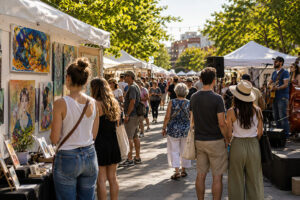
In a world where shopping has become easier than ever, many people are beginning to question whether buying more is always the best solution. Rising living costs, growing environmental concerns, and increasing awareness of waste have encouraged individuals to look for alternative ways to meet everyday needs. Instead of purchasing new items, more communities are embracing the idea of sharing what they already have. One movement that has gained worldwide attention is the Buy Nothing Project. Rather than focusing on buying, selling, or trading, the project encourages neighbors to freely give, receive, and share items within their local communities. From furniture and clothing to children’s toys and household tools, countless everyday items find new homes instead of ending up in
community
Culture

Why Third Places Matter More Than Ever: What I Learned About Community in a Digital World

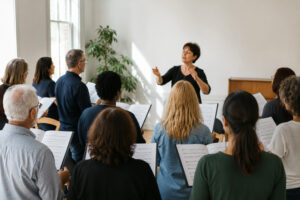
A few years ago, I realized something had quietly changed about my daily life. I was spending more time connected to people than ever before, yet I felt like I was interacting with fewer people in real life. My phone was full of messages. Social media feeds never stopped updating. Video calls had become routine. On paper, I was more connected than I had ever been. But outside of work and family, I rarely found myself having spontaneous conversations with strangers or spending time in places where people simply gathered without a specific purpose. That made me curious about something I had never paid much attention to before: the idea of a “third place.” Home is considered the first place.

walking
Society

Walking Clubs Are Bringing People Together Again

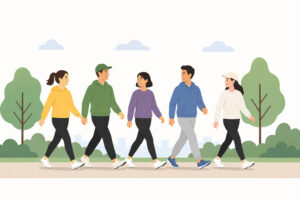
Not long ago, fitness culture seemed dominated by intense workouts. Social media was filled with marathon training, high-intensity interval workouts, cycling challenges, and gym transformations. Many people felt that exercise had become something competitive, demanding, and often intimidating. Yet in 2026, a much simpler activity is gaining attention around the world: walking. Walking clubs are becoming increasingly popular in cities, suburbs, and small towns alike. Groups of strangers gather in parks, along rivers, in city centers, and through residential neighborhoods simply to walk together. Unlike traditional sports clubs, there are often no scores, no winners, and no pressure to perform. At first glance, the trend may seem surprisingly ordinary. After all, people have always walked. But the growing popularity of

public drinking fountains
Society

Public Drinking Fountains Are Making a Quiet Return

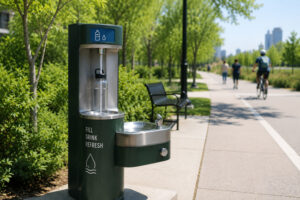
For many people, public drinking fountains are easy to overlook. They sit along walking paths, inside parks, near sports facilities, and in transportation hubs. Most people pass by without giving them much thought. Yet in a growing number of communities, public drinking fountains are receiving renewed attention as cities reconsider how public spaces can better serve residents. While they may seem like a small feature compared to larger infrastructure projects, drinking fountains play a surprisingly practical role in everyday life. Their gradual return to parks, trails, and public gathering places reflects changing attitudes toward health, accessibility, and the design of shared spaces. In many ways, the story of public drinking fountains is not simply about access to water. It is

Society

Community Sports Programs Continue to Bring Different Generations Together

On weekday evenings, local gyms, recreation centers, and school sports facilities often fill with people of different ages. Teenagers practice basketball on one court. Parents wait nearby while chatting with friends. Older adults participate in walking clubs, badminton groups, or fitness classes in neighboring spaces. Although everyone may arrive for different reasons, they often end up sharing the same community environment. These programs have become a familiar part of local life in many cities and towns. Unlike professional sports or highly competitive leagues, community sports programs are usually designed to be accessible. Participants do not need advanced skills or extensive experience. In many cases, the goal is simply to encourage regular activity while providing opportunities for people to spend time