
Not long ago, fitness culture seemed dominated by intense workouts.
Social media was filled with marathon training, high-intensity interval workouts, cycling challenges, and gym transformations. Many people felt that exercise had become something competitive, demanding, and often intimidating.
Yet in 2026, a much simpler activity is gaining attention around the world: walking.
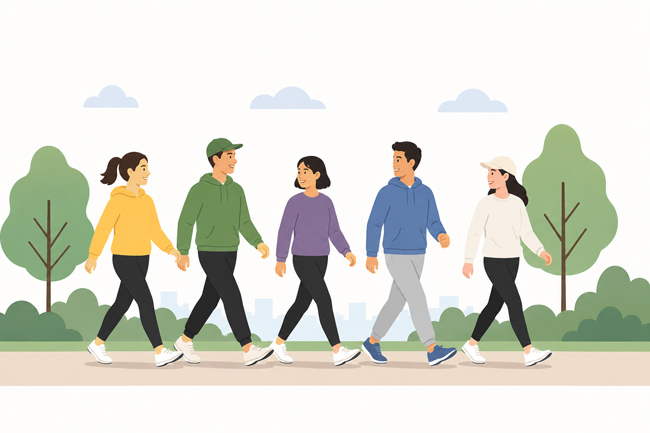
Walking clubs are becoming increasingly popular in cities, suburbs, and small towns alike. Groups of strangers gather in parks, along rivers, in city centers, and through residential neighborhoods simply to walk together. Unlike traditional sports clubs, there are often no scores, no winners, and no pressure to perform.
At first glance, the trend may seem surprisingly ordinary. After all, people have always walked.
But the growing popularity of walking clubs reveals something important about modern society. It reflects changing attitudes toward health, community, and the way people connect with one another.
A Fitness Trend That Feels Accessible
One reason walking clubs are attracting so many participants is their accessibility.
Unlike many forms of exercise, walking requires very little equipment. There are no expensive memberships, specialized skills, or intense training programs required. People of different ages, fitness levels, and backgrounds can participate together.
For individuals who feel uncomfortable in traditional fitness environments, walking offers a more welcoming alternative.
A person recovering from an injury can join. A retiree can participate alongside a college student. Someone who has never exercised regularly can begin without feeling intimidated.
This inclusiveness has helped walking clubs grow rapidly.
Many participants say they are not joining because they want to become athletes. They join because walking feels achievable.
In an era where many wellness trends can seem expensive or complicated, walking represents a return to simplicity.
Fighting Loneliness One Step at a Time
The popularity of walking clubs is not only about physical health.
Many participants describe social connection as an equally important benefit.
Loneliness has become a growing concern in many countries. Remote work, increased screen time, and changing lifestyles have reduced opportunities for spontaneous social interaction. People may communicate online throughout the day while rarely engaging in meaningful face-to-face conversations.
Walking clubs help fill that gap.
Unlike formal networking events or structured social gatherings, walking creates a relaxed environment where conversations happen naturally.
People walk side by side rather than sitting across from one another. There is no pressure to maintain eye contact or carry an entire conversation alone. Discussions flow more comfortably because attention is shared between the environment and the people nearby.
Many participants report that friendships develop more easily during walks than during traditional social events.
The activity itself removes much of the awkwardness that can accompany meeting new people.
For some individuals, joining a walking club has become one of the easiest ways to build a sense of belonging in their local community.
Why Younger Generations Are Joining
Although walking is often associated with older adults, many walking clubs are attracting significant numbers of younger participants.
Generation Z and younger millennials are increasingly seeking alternatives to highly digital lifestyles.
Many spend their workdays in front of screens and their leisure time on social media platforms. As a result, there is growing interest in activities that encourage real-world interaction.
Walking clubs provide exactly that.
Participants can disconnect from notifications, spend time outdoors, and engage in authentic conversations.
Interestingly, many young adults are not joining walking clubs primarily for fitness reasons. Instead, they are looking for opportunities to meet people in a low-pressure environment.
Dating apps, social media, and online communities offer connection, but they can also feel exhausting. Walking clubs provide a more organic way to interact.
Some groups specifically market themselves as social clubs rather than fitness clubs. The emphasis is on conversation, friendship, and community rather than athletic performance.
This shift reflects a broader cultural trend.
Many younger people are becoming less interested in status-driven experiences and more interested in meaningful human connection.
The Mental Health Benefits of Walking
Another factor contributing to the rise of walking clubs is growing awareness of mental health.
Health experts have long recognized that physical movement can positively influence mood, stress levels, and overall well-being.
Walking is particularly appealing because it combines several beneficial elements at once.
It encourages physical activity, exposure to natural environments, social interaction, and time away from digital devices.
Many participants describe their weekly walks as a form of stress relief.
Rather than viewing exercise as another task to complete, they see it as an opportunity to slow down and recharge.
This perspective is especially important in a society where many people feel overwhelmed by constant information and busy schedules.
Walking creates space to think, reflect, and engage with the world at a slower pace.
In many ways, the activity serves as a small but meaningful antidote to modern life’s constant demands.
How Cities and Communities Are Responding
Local governments, community organizations, and businesses are beginning to recognize the value of walking clubs.
Some cities are investing in pedestrian-friendly infrastructure, including wider sidewalks, improved parks, and safer walking routes.
Community groups are organizing free walking events to encourage residents to explore their neighborhoods and meet new people.
Even businesses are finding ways to participate.
Coffee shops often partner with local walking groups by serving as meeting points before or after walks. Bookstores, community centers, and public libraries are also hosting walking-related events.
These efforts highlight an important reality.
Walking clubs are not simply about exercise.
They are becoming part of a broader movement focused on community building and social well-being.
What the Walking Club Trend Says About Society
The growing popularity of walking clubs reveals something deeper about the current moment.
After years of rapid technological change, many people are rediscovering the value of simple human experiences.
They are looking for activities that do not require expensive equipment, constant competition, or digital engagement.
Walking offers something increasingly rare: simplicity.
It allows people to move, talk, observe, and connect without distractions.
The rise of walking clubs suggests that people are not necessarily searching for more entertainment or more technology.
Instead, they may be searching for something much older and more fundamental.
They are searching for community.
As society continues to evolve, one of the most meaningful trends may not involve a new app, a new platform, or a new device.
It may simply involve people taking a walk together.