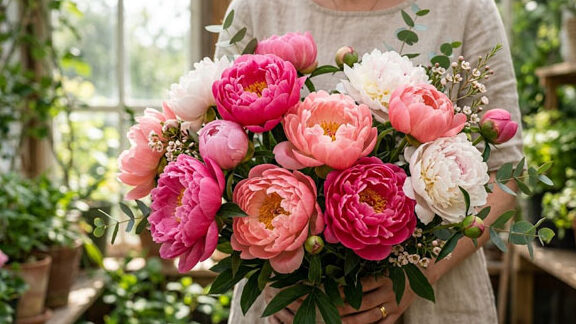
Peonies have long been admired for their breathtaking beauty, elegant appearance, and rich symbolism. Often referred to as the “King of Flowers,” peonies have held a special place in gardens, artwork, and cultural traditions for centuries. Their large, luxurious blooms and vibrant colors make them one of the most recognizable ornamental plants in the world.
In many Asian cultures, peonies symbolize prosperity, honor, and good fortune. Their striking appearance has inspired countless paintings, decorative screens, textiles, and garden designs throughout history. Even today, peonies remain one of the most beloved flowers among gardeners and flower enthusiasts alike.
Whether you are considering planting peonies for the first time or simply want to learn more about these magnificent flowers, understanding their characteristics and growing requirements can help you enjoy their beauty for years to come.
The Meaning and Symbolism of Peonies
Peonies are widely associated with wealth, prosperity, honor, and nobility. Because of their grand appearance and luxurious blossoms, they have traditionally been viewed as symbols of abundance and success.
Historically, peonies were often featured in artwork, clothing designs, and decorative objects that represented good fortune and happiness. In many cultures, displaying peony imagery was believed to attract prosperity and positive energy into the home.
Beyond their visual appeal, peonies carry emotional significance as well. They are frequently used to celebrate important life events such as weddings, anniversaries, and major achievements. Their association with love, happiness, and success has made them a timeless favorite among flower lovers.
Peony vs. Herbaceous Peony: Understanding the Difference
Many people confuse tree peonies and herbaceous peonies because their flowers look similar.
The easiest way to distinguish them is by examining their growth habits.
Tree peonies are woody shrubs. Their stems remain alive throughout the winter, even after the leaves have fallen. As a result, the plant gradually develops a permanent woody structure over the years.
Herbaceous peonies, on the other hand, die back to the ground each winter. Only the roots survive underground, and new stems emerge each spring.
The flowers also differ slightly in texture. Tree peony petals tend to be thinner and more delicate, creating an airy, paper-like appearance. Herbaceous peonies generally have denser blooms with a fuller texture.
Blooming Season and Growing Conditions
Understanding the preferred growing environment of peonies is essential for long-term success.
Although peonies are remarkably resilient once established, providing the right conditions from the beginning will encourage healthier growth and more abundant flowering.
When Do Peonies Bloom?
Most peonies bloom during late spring, typically between late April and early May, depending on local climate conditions.
Their flowering period is relatively short, often lasting only two to three weeks. However, the spectacular display they provide during that time makes the wait worthwhile.
As spring progresses, gardeners should monitor developing buds closely. Seasonal temperatures can influence blooming times, causing flowers to appear earlier or later than expected.
Despite their brief flowering period, peonies often become the highlight of the spring garden.
Sunlight and Soil Requirements
Peonies thrive in sunny locations.
For the best flowering performance, they should receive at least six hours of direct sunlight each day. Insufficient sunlight may reduce blooming and weaken overall plant growth.
Well-draining soil is equally important. Peonies prefer fertile, slightly sandy loam that allows excess water to drain away efficiently.
Poor drainage can lead to root problems and significantly reduce plant health. When growing peonies in containers, incorporating materials such as coarse sand, perlite, or gravel can improve soil aeration and drainage.
A sunny location combined with healthy soil creates the ideal foundation for vigorous growth and abundant blooms.
Essential Peony Care for Beginners
One of the reasons peonies remain so popular is that they are relatively low-maintenance once established.
By following a few basic care practices, gardeners can enjoy beautiful flowers year after year.
Watering and Fertilizing
Peonies prefer deep but infrequent watering.
Rather than watering lightly every day, it is better to water thoroughly when the top layer of soil becomes dry. During early spring, when flower buds are forming, maintaining consistent moisture is particularly important.
Fertilizing should typically take place shortly after the flowering season ends. Providing nutrients in late spring or early summer helps the plant build energy reserves and develop flower buds for the following year.
This timing is especially important because next season’s blooms often depend on the plant’s health during the months immediately following flowering.
Pruning and Maintenance
Pruning helps maintain plant health and improve air circulation.
Dead, damaged, or diseased branches should be removed during late autumn or early spring. This reduces the risk of disease and encourages healthier growth.
However, excessive pruning should be avoided. Removing too much growth can eliminate future flower buds and reduce blooming potential.
In most cases, light shaping and the removal of unhealthy stems are sufficient.
Common Growing Mistakes and Solutions
Even experienced gardeners occasionally encounter problems when growing peonies.
Fortunately, many issues can be prevented through proper care and observation.
Root Rot Caused by Poor Drainage
One of the most common mistakes is overwatering.
Peonies develop deep root systems and dislike constantly wet soil. Containers that are too small or poorly drained can restrict root growth and increase the risk of root rot.
Choosing a large container with adequate drainage holes and allowing the soil to dry slightly between waterings can help prevent this problem.
Preventing Pests and Diseases
Peonies are generally resistant to serious pests and diseases, but they can occasionally experience problems such as aphids or fungal leaf spots.
Maintaining good airflow around the plant is one of the most effective preventive measures. Proper spacing and regular pruning help reduce humidity and improve ventilation.
If pests or diseases appear, early treatment using appropriate organic or conventional plant protection products can prevent more severe damage.
Regular inspection allows gardeners to identify issues before they become serious.
Conclusion
Peonies are more than just beautiful flowers. They are living symbols of prosperity, elegance, and enduring beauty.
Once established, a peony can provide decades of enjoyment with relatively little maintenance. Their spectacular blooms reward gardeners for their patience and care, making them one of the most treasured plants in ornamental gardening.
By providing plenty of sunlight, well-draining soil, proper watering, and occasional maintenance, anyone can successfully grow peonies and enjoy their remarkable flowers each spring.
If you have been considering adding a peony to your garden or balcony, there is no better time to start. With the right care, these magnificent plants will reward you with stunning blooms and timeless beauty for many years to come.