
There was a time when I measured the quality of my day by one simple question:
“How much did I get done today?”
If I finished everything on my to-do list, I felt successful.
If I completed a major project, answered every email, crossed off every task, and stayed productive from morning until night, I went to bed feeling like I had earned a “good day.”
On the other hand, if unexpected problems interrupted my schedule or I didn’t accomplish as much as I had planned, I often felt disappointed—even if nothing particularly bad had happened.
For a long time, I believed that productivity and happiness naturally belonged together.
The more I accomplished, the happier I would become.
But somewhere along the way, I noticed something that completely changed my perspective.
Some of the happiest days of my life were not the days when I achieved the most.
In fact, many of them looked quite ordinary.
There were no promotions.
No celebrations.
No major accomplishments.
Sometimes they were simply days filled with quiet conversations, warm sunshine, good food, unexpected laughter, or a peaceful walk home.
Those were the days I remembered.
That realization made me ask a different question.
What really makes a good day?
The older I get, the more I think the answer has very little to do with success.
We’ve Been Taught to Chase Extraordinary Days
From an early age, we’re taught to look forward to big moments.
Graduation.
The first job.
A promotion.
Buying a house.
Getting married.
Taking the dream vacation.
Celebrating birthdays and anniversaries.
These moments are wonderful, and they deserve to be celebrated.
But here’s the problem.
Most of life isn’t made up of extraordinary days.
Most of life happens on completely ordinary Tuesdays.
We wake up.
Go to work.
Answer messages.
Prepare meals.
Run errands.
Come home tired.
Repeat.
If we believe that only extraordinary days count as “good days,” we’ll spend most of our lives waiting.
We’ll always be looking ahead instead of appreciating where we already are.
I’ve realized that life doesn’t happen in the milestones.
Life happens in the ordinary spaces between them.
That’s where friendships grow.
Families are built.
Character develops.
And memories quietly take shape.
The Days I Remember Most Were Surprisingly Simple
When I think back over the past few years, it’s interesting what I remember.
I don’t immediately remember the busiest workdays.
I don’t remember every meeting or every completed task.
Instead, I remember little moments that seemed insignificant at the time.
Sharing coffee with someone who made me laugh.
Watching the sky turn orange during sunset.
Finding a quiet bookstore while traveling.
Taking care of a plant that finally bloomed.
Having dinner without checking my phone.
These moments never appeared on my calendar as important events.
Yet somehow, they became the memories that stayed with me.
It makes me wonder how many meaningful moments we overlook simply because they don’t seem important enough while they’re happening.
Success Feels Good—but Only for a While
I still enjoy accomplishing meaningful goals.
Finishing a difficult project is satisfying.
Learning a new skill is rewarding.
Achieving something you’ve worked toward for months feels wonderful.
But I’ve noticed that the excitement doesn’t last very long.
The moment one goal is finished, another one appears.
There’s always another deadline.
Another challenge.
Another milestone waiting in the distance.
Success has a strange way of moving the finish line.
If happiness depends entirely on achievement, we’ll always need one more accomplishment before we finally feel satisfied.
That sounds exhausting.
Maybe success should be something we enjoy—not something we depend on.
A Quiet Morning Can Change an Entire Day
One of the biggest differences in my life came from changing how I begin the day.
There was a season when the first thing I did every morning was check my phone.
Emails.
News.
Messages.
Social media.
Before I even got out of bed, my mind already felt crowded.
Eventually I decided to try something different.
Now, whenever I can, I spend the first few minutes of the morning in silence.
Sometimes I simply enjoy a cup of coffee.
Sometimes I read a few pages of a book.
Sometimes I sit by the window and notice the weather.
Nothing dramatic happens during those few minutes.
Yet the entire day feels different.
The workload doesn’t disappear.
The responsibilities remain exactly the same.
But I approach them with a calmer mind.
It’s amazing how a peaceful beginning often creates a more peaceful day.
The Best Conversations Are Rarely Planned
Some of the best moments in life arrive without an invitation.
A conversation that lasts much longer than expected.
Meeting an old friend by chance.
A stranger sharing a kind word.
A child asking an honest question.
These moments cannot be scheduled.
They simply happen.
And because they happen unexpectedly, they often become unforgettable.
Looking back, I don’t remember every email I answered.
But I remember conversations that changed how I thought about life.
People shape our days far more than our calendars do.
Nature Has a Different Definition of Success
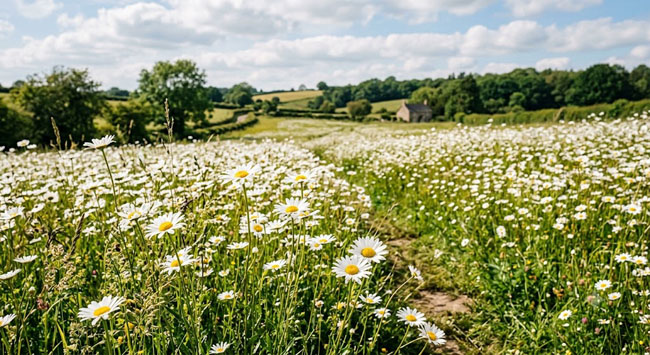
Whenever I spend time in nature, I’m reminded that the natural world never seems to hurry.
Flowers bloom when they’re ready.
Trees don’t compete with each other.
Birds don’t appear worried about tomorrow’s schedule.
A garden never apologizes for growing slowly.
Yet everything eventually arrives in its proper season.
Modern life often convinces us that faster is always better.
Nature quietly suggests something different.
Growth has its own rhythm.
Some things simply cannot be rushed.
Whenever I take a walk through a park or spend time caring for plants, I leave feeling lighter.
Not because my problems disappeared.
But because my perspective changed.
Good Days Aren’t Perfect Days
One mistake I used to make was believing that a good day had to be a perfect day.
Nothing could go wrong.
Everything needed to happen according to plan.
No delays.
No misunderstandings.
No disappointments.
Real life doesn’t work that way.
Even wonderful days include inconvenience.
Even joyful days contain stress.
A rainy afternoon doesn’t ruin an entire day.
A mistake at work doesn’t erase every good moment.
A difficult conversation doesn’t prevent laughter later that evening.
Once I stopped expecting perfection, I began noticing how many good days I’d been overlooking.
Gratitude Helps Us Notice What Was Already There
I’ve also realized that gratitude isn’t simply saying “thank you.”
It’s learning to notice what already exists.
Fresh air.
Clean water.
Someone who remembers your birthday.
A comfortable chair after a long day.
The smell of coffee.
A favorite song playing unexpectedly.
These things often disappear into the background because they’re familiar.
But familiarity doesn’t make them less valuable.
In fact, many of life’s greatest blessings are so ordinary that we forget to appreciate them.
Gratitude doesn’t create happiness out of nothing.
It reveals happiness that was already present.
We Often Remember Feelings More Than Achievements
Ask someone about one of the happiest days of their life.
They probably won’t list every task they completed.
Instead, they’ll tell a story.
Who they were with.
What they laughed about.
How they felt.
The atmosphere.
The weather.
The conversation.
Memory doesn’t organize itself like a productivity app.
It remembers emotion.
Maybe that’s why success alone isn’t enough.
Achievements fill resumes.
Moments fill hearts.
I Started Asking Better Questions
Instead of ending each day by asking,
“What did I accomplish today?”
I’ve started asking different questions.
Did I learn something?
Did I encourage someone?
Did I notice beauty?
Did I spend meaningful time with people I care about?
Did I laugh?
Was I grateful?
These questions changed how I evaluate my days.
Interestingly, they also made me happier.
The Ordinary Days Are the Ones That Build a Life
Looking back, I don’t think our lives are built from extraordinary moments alone.
They’re built from ordinary mornings.
Ordinary meals.
Ordinary conversations.
Ordinary walks.
Ordinary acts of kindness repeated over many years.
A meaningful life isn’t created during vacations alone.
It’s created on random Wednesday afternoons when nobody else is paying attention.
Perhaps that’s why ordinary moments deserve extraordinary appreciation.
Conclusion
If you asked me today what makes a good day, my answer would be much simpler than it used to be.
A good day isn’t one where everything goes perfectly.
It isn’t measured only by productivity, success, or achievement.
A good day is one where I notice something beautiful.
Share an honest conversation.
Complete meaningful work.
Laugh at least once.
Learn something new.
And end the day feeling grateful instead of rushed.
The truth is, success will always move further ahead.
There will always be another goal waiting to be reached.
But small moments don’t ask us to chase them.
They simply ask us to notice them.
And perhaps that’s what really makes a good day.
Not extraordinary success.
But ordinary moments that quietly remind us life is already happening.