
#Flower Meanings

flowers
Floral

The Best Flowers to Give a Coworker: Meaningful Blooms for Encouragement, Support, and Appreciation

Giving flowers to a coworker is about much more than observing workplace etiquette. It is a thoughtful way to celebrate achievements, encourage someone facing a new challenge, or simply say “thank you” for their support. In today’s busy work environment, where emails and instant messages have become the primary form of communication, a bouquet of fresh flowers feels surprisingly personal. It slows people down, creates a memorable moment, and reminds the recipient that someone genuinely appreciates them. Flowers have carried symbolic meanings for centuries. Different cultures have used flowers to express emotions that were difficult to put into words, and this tradition continues today through the language of flowers. While many people choose bouquets based on color or appearance, understanding
Floral

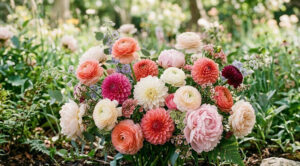
Florists’ Favorite Flowers: Why Ranunculus, Dahlias, and Peonies Never Go Out of Style

When choosing flowers, beauty is only one part of the story. Florists also consider meaning, longevity, versatility, and emotional impact before recommending the perfect bloom. Whether for bouquets, weddings, home décor, or special celebrations, the best flowers are those that create lasting memories as well as lasting beauty. Among countless varieties, ranunculus, dahlias, and peonies consistently rank among the most beloved flowers in professional floral design. Each offers a unique combination of elegance, symbolism, and visual appeal, making them favorites for both florists and flower lovers alike. Ranunculus: Layers of Soft Petals That Capture the Joy of Spring Ranunculus is admired for its countless delicate petals arranged in perfectly layered circles, giving the flower an appearance that resembles handcrafted paper

dried flowers
Floral

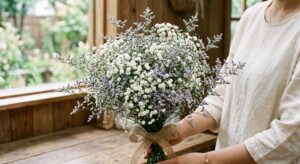
Baby’s Breath vs. Misty Blue: Their Differences, Meanings, and How to Keep Them Beautiful Longer

There are certain flowers that catch my eye every time I walk into a flower shop. For me, those flowers are always baby’s breath and Misty Blue. At first glance, they seem surprisingly similar. Both are made up of countless tiny blossoms that create soft, airy bouquets, and they’re often used to fill the spaces between larger flowers. For a long time, I assumed they served exactly the same purpose. I couldn’t have been more wrong. It wasn’t until I began bringing flowers home, arranging them myself, and experimenting with drying them that I realized how different these two flowers really are. Their appearance, texture, lifespan, and even the atmosphere they create are completely unique. In recent years, I’ve noticed

flowers
Floral

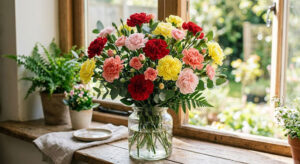
Carnations and the Stories They Carry: What Red, Pink, and Yellow Carnations Have Taught Me

For a long time, I underestimated carnations. Like many people, I associated them with school events, family celebrations, and the bouquets that seemed to appear every year around Mother’s Day. They were familiar, dependable, and easy to find almost anywhere. Because of that familiarity, I never paid much attention to them. If someone had asked me to name the most beautiful flower, I probably would have mentioned roses, tulips, or peonies long before carnations ever came to mind. Then one day, I received a bouquet that included several carnations. Weeks later, while the other flowers had faded and been discarded, the carnations were still standing. Their petals remained vibrant. Their stems remained strong. And that was the moment I began