
The Allure of Leaving the City: Why So Many Are Seeking a Different Path
The siren song of city life – the endless opportunities, the vibrant culture, the sheer convenience – has long captivated millions. Yet, a growing chorus of voices is questioning this narrative. Burnout, the relentless pace, soaring costs, and a yearning for connection with nature and community are prompting a significant demographic to consider a radical shift: leaving the city. This isn’t just a fleeting trend; it’s a profound reevaluation of what constitutes a “good life.”
Understanding the Push Factors: What’s Driving the Exodus?
Several key factors contribute to the desire to escape urban centers. Understanding these “push” factors is the first step in validating your own feelings and solidifying your decision.
-
The Crushing Cost of Living: Housing prices, rent, groceries, and even a simple cup of coffee can drain your finances in major cities. The dream of homeownership often feels unattainable, and the constant financial pressure leads to stress and limits opportunities for saving or investing.
-
Burnout and the Rat Race: The 24/7 hustle culture, long commutes, and competitive job markets can lead to chronic stress and exhaustion. Many feel trapped in a cycle of working to afford a life they don’t truly have time to enjoy.
-
Lack of Space and Nature: Limited living space, crowded public areas, and a disconnect from the natural world can take a toll on mental and physical well-being. The absence of green spaces and fresh air is a significant drawback for many.
-
Desire for Community and Connection: Despite being surrounded by people, urban dwellers often report feelings of isolation. The anonymity of the city can make it difficult to form deep, meaningful connections with neighbors and build a strong sense of belonging.
-
Safety and Quality of Life Concerns: Rising crime rates, noise pollution, and a general feeling of being overwhelmed can erode the perceived quality of life in urban environments.
The Pull Factors: What Does a “Better Life” Look Like?
Conversely, the allure of leaving the city lies in the promise of what awaits. These “pull” factors paint a picture of a more fulfilling existence.
-
Affordability and Financial Freedom: Smaller towns and rural areas often offer significantly lower costs of living, allowing for greater financial flexibility, the possibility of homeownership, and the ability to save more.
-
Slower Pace and Reduced Stress: A less frenetic environment can lead to a more relaxed lifestyle, reduced stress levels, and more time for personal pursuits, family, and self-care.
-
Access to Nature and Outdoor Activities: Proximity to natural landscapes – forests, mountains, lakes, oceans – provides ample opportunities for hiking, biking, gardening, and simply enjoying the peace and tranquility of the outdoors.
-
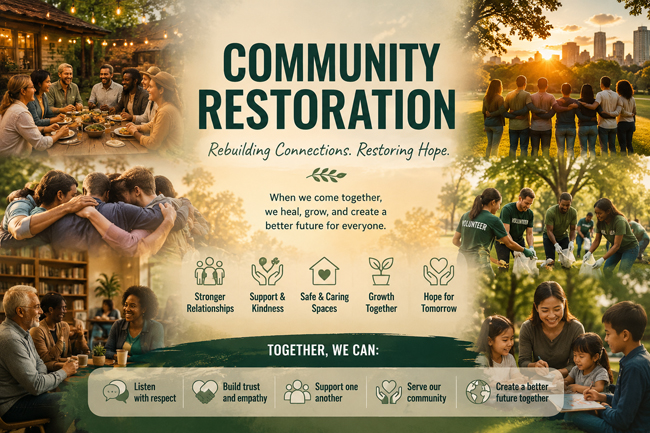
Stronger Community Bonds: Smaller communities often foster a greater sense of belonging, with more opportunities to connect with neighbors, participate in local events, and build supportive relationships.
-
Improved Quality of Life: Less traffic, cleaner air, lower crime rates, and a greater sense of safety can contribute to an overall higher quality of life.
The Practicalities of Leaving the City: A Step-by-Step Approach
Deciding to leave the city is an emotional and significant decision. However, a well-thought-out plan is crucial for a smooth transition and long-term success. This section breaks down the essential steps.
Step 1: Self-Assessment and Goal Setting
Before you pack a single box, take time for introspection.
-
Define Your “Why”: Clearly articulate your reasons for wanting to leave. Is it financial, lifestyle-related, family-oriented, or a combination? Having a clear “why” will guide your decisions.
-
Identify Your Priorities: What are the non-negotiables for your new life? Consider factors like job opportunities, access to healthcare, schools for children, proximity to family, specific hobbies, or desired community characteristics.
-
Assess Your Financial Situation: Understand your current financial standing. How much savings do you have? What are your income streams? What is your budget for relocation and setting up your new life?
Step 2: Researching Potential Destinations
This is where your goals and priorities come into play.
-
Location, Location, Location: Explore different regions, towns, and even specific neighborhoods. Consider:
-
Job Market: If you need to find local employment, research industries and job availability. Remote work options are also a major consideration for many.
-
Cost of Living: Compare housing costs (rent vs. buy), property taxes, utility prices, and general expenses.
-
Community Vibe: Does the town have the kind of atmosphere you’re looking for? Are there amenities like good schools, libraries, parks, and cultural activities?
-
Proximity to Amenities: How far is it to the nearest major city, airport, or specialized healthcare facilities?
-
Natural Environment: What kind of outdoor recreational opportunities are available?
-
Visit Before You Commit: If possible, spend extended periods (a week or more) in your top choices. Rent an Airbnb, explore the local shops, talk to residents, and get a feel for daily life. This is invaluable for making an informed decision.
Step 3: Financial Planning and Budgeting
Leaving the city often involves a significant financial undertaking.
-
Create a Relocation Budget: Factor in moving company costs, packing supplies, potential travel expenses, temporary accommodation, and initial setup costs in your new location (e.g., setting up utilities, purchasing furniture).
-
Develop a New Living Budget: Based on your research, create a realistic budget for your monthly expenses in your new area. This should include housing, utilities, food, transportation, healthcare, and discretionary spending.
-
Secure Income: If you don’t have a remote job, have a solid plan for generating income. This might involve securing a new job before you move, starting a home-based business, or having significant savings to cover your expenses while you search.
-
Understand Taxes: Research state and local income taxes, property taxes, and sales taxes in your potential new locations.
Step 4: Logistics of the Move
The physical act of moving requires careful planning.
-
Declutter Ruthlessly: Moving is the perfect opportunity to downsize. Sell, donate, or discard items you no longer need or use. The less you move, the cheaper and easier it will be.
-
Choose Your Moving Method:
-
Professional Movers: Best for large moves but can be expensive. Get multiple quotes.
-
DIY Moving Truck: More affordable but requires more physical labor and planning.
-
Portable Storage Containers: Offer flexibility for packing and loading at your own pace.
-
Pack Strategically: Pack an “essentials” box with items you’ll need immediately upon arrival (toiletries, medications, a few changes of clothes, basic tools, chargers).
-
Notify Relevant Parties: Change your address with the post office, banks, utility companies, and any subscription services.
Navigating the Challenges: Common Pitfalls and How to Overcome Them
While the dream of a better life outside the city is compelling, the transition isn’t always seamless. Being aware of potential challenges can help you prepare and mitigate them.
Challenge 1: Finding Employment
-
The Reality: Job markets in smaller towns can be more limited than in major metropolitan areas.
-
Solutions:
-
Embrace Remote Work: If your current job allows it, negotiate a remote work arrangement.
-
Consider a Career Shift: Be open to new industries or roles that are in demand locally.
-
Entrepreneurship: Starting your own business can be a viable option, especially if you identify a local need.
-
Network Actively: Connect with people in your new community; word-of-mouth referrals are powerful.
Challenge 2: Adjusting to a Slower Pace and Different Social Dynamics
-
The Reality: The shift from a fast-paced, anonymous environment to a slower, more interconnected community can be jarring. You might miss the constant stimulation or find it challenging to break into established social circles.
-
Solutions:
-
Be Patient: Building relationships takes time. Don’t expect to have a close-knit social circle overnight.
-
Get Involved: Join local clubs, volunteer, attend community events, frequent local businesses. Show genuine interest in your new home.
-
Embrace the Quiet: Learn to appreciate the slower pace. Use the extra time for hobbies, relaxation, or connecting with nature.
-
Manage Expectations: Understand that “different” doesn’t necessarily mean “worse.” Find the positives in the new social dynamics.
Challenge 3: Access to Services and Amenities
-
The Reality: Depending on your chosen location, you might have less immediate access to specialized healthcare, diverse shopping options, or certain cultural events. Internet speeds can also be a concern in rural areas.
-
Solutions:
-
Research in Advance: Understand the availability of essential services before you move.
-
Plan for Travel: Be prepared to travel to nearby larger towns or cities for specific needs.
-
Prioritize Reliable Internet: If remote work is crucial, ensure your chosen location has adequate internet infrastructure. Explore satellite or fixed wireless options if necessary.
-
Support Local Businesses: Actively patronize local shops and services to help foster their growth and availability.
Challenge 4: Homesickness and Regret
-
The Reality: It’s natural to miss aspects of your old life, friends, and familiar routines. Doubts can creep in, especially during the initial adjustment period.
-
Solutions:
-
Stay Connected: Schedule regular calls or video chats with friends and family back in the city. Plan visits.
-
Create New Routines: Establish new traditions and routines in your new environment.
-
Focus on the Positives: Remind yourself of your reasons for moving and the benefits you’re experiencing. Keep a gratitude journal.
-
Give it Time: Significant life changes require an adjustment period. Allow yourself at least 6-12 months to truly settle in before making any major judgments.
Finding Your “Better Life”: Making the Dream a Reality
Leaving the city is more than just a change of address; it’s an opportunity to redefine your life and pursue greater happiness and fulfillment.
Creating Your Ideal Lifestyle
Your new life outside the city is a blank canvas. Consider how you want to spend your time:
-
Pursue Hobbies: Do you want to garden, paint, write, woodwork, or learn a new skill? Your new environment might offer more space and time for these passions.
-
Prioritize Health and Wellness: With potentially less stress and more access to nature, focus on activities that improve your physical and mental well-being.
-
Engage with Your Community: Become an active participant. Your contributions can make a real difference.
-
Embrace Simplicity: Often, a move away from the city is accompanied by a desire for a simpler, more intentional way of living.
The Financial Rewards of a Less Urban Life
Beyond the lower cost of living, consider the long-term financial implications:
-
Homeownership: The dream of owning a home becomes much more attainable. This can build equity and provide long-term financial security.
-
Reduced Spending: Less temptation for expensive city entertainment and a shorter commute can significantly cut down on daily expenses.
-
Investment Opportunities: With more disposable income, you can increase savings, invest in the stock market, or put money towards personal goals.
Conclusion: Your New Beginning Awaits
Leaving the city for a better life is a courageous and potentially transformative decision. It requires careful planning, realistic expectations, and a willingness to adapt. By understanding the push and pull factors, meticulously planning your move, and proactively addressing potential challenges, you can successfully transition to a more fulfilling, less stressful, and potentially more affordable lifestyle. Embrace the adventure, savor the peace, and build the life you’ve always dreamed of.
Frequently Asked Questions
- Q1: Is it really cheaper to live outside the city?
A1: Generally, yes. Housing is typically the biggest factor, but everyday expenses like groceries and transportation can also be significantly lower. However, this varies greatly by location, so thorough research is essential.
- Q2: What if I need specialized medical care?
A2: For most common medical needs, smaller towns have adequate facilities. For highly specialized care, you may need to travel to a larger city periodically. Research healthcare providers in your chosen area and understand referral processes.
- Q3: How can I find a job if I move to an area with fewer opportunities?
A3: Explore remote work options, consider starting a home-based business, or research industries that are thriving in your target area. Networking and being open to different types of work are key.