
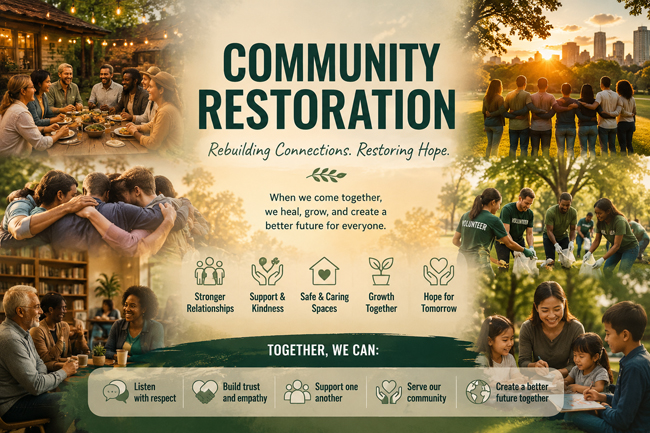
The Growing Need for Community Restoration
In today’s hyper-connected yet paradoxically isolating world, a significant shift is underway. We are witnessing a burgeoning movement dedicated to the restoration and revitalization of community. This isn’t merely a nostalgic yearning for simpler times; it’s a conscious and urgent response to the erosion of social fabric, the rise of loneliness, and the increasing fragmentation of our societies. As technology increasingly mediates our interactions, many are finding themselves craving deeper, more authentic human connections. This article will explore the multifaceted phenomenon of community restoration, examining its driving forces, its core principles, and how we can all contribute to its success.
Understanding the Drivers of the Movement
Several interconnected factors are fueling the resurgence of community. Understanding these drivers is crucial to appreciating the depth and significance of this movement.
-
The Loneliness Epidemic: Numerous studies have highlighted a global rise in loneliness and social isolation, particularly among young adults and the elderly. This pervasive feeling of being disconnected has profound negative impacts on mental and physical health. Community restoration offers a direct antidote, providing opportunities for genuine interaction and belonging.
-
Digital Overload and Social Media Fatigue: While social media connects us virtually, it often leads to superficial relationships and can exacerbate feelings of inadequacy and comparison. Many are experiencing “digital fatigue” and are actively seeking out real-world interactions that offer more substance and emotional depth.
-
Erosion of Traditional Community Structures: Historically, communities were often built around shared physical spaces like neighborhoods, workplaces, or religious institutions. The decline of these traditional anchors, coupled with increased mobility and urbanization, has weakened the organic bonds that once held people together.
-
Desire for Local Resilience and Self-Sufficiency: Recent global events, from pandemics to climate change impacts, have underscored the importance of local resilience. Strong communities are better equipped to support their members during crises, share resources, and collectively address local challenges.
-
Search for Meaning and Purpose: For many, contributing to something larger than themselves, like building a stronger community, provides a profound sense of purpose and meaning in life. This can be a powerful motivator for engagement and collective action.
Defining Characteristics of Community Restoration
The movement to restore community is not monolithic. It manifests in diverse ways, but several common characteristics emerge:
-
Emphasis on Real-World Interaction: The core of community restoration lies in fostering face-to-face connections. This involves creating spaces and opportunities for people to meet, interact, and build relationships in person.
-
Local Focus and Place-Based Initiatives: Much of the effort is centered on revitalizing local neighborhoods and towns. This includes initiatives that enhance shared public spaces, support local businesses, and encourage neighborly interaction.
-
Inclusivity and Diversity: A truly restored community embraces and celebrates diversity. Efforts are made to ensure that all members feel welcome, valued, and have a voice, regardless of their background, age, or beliefs.
-
Shared Values and Mutual Support: While diverse, communities often coalesce around shared values or common goals. This leads to a culture of mutual support, where members look out for one another, share resources, and collaborate on projects.
-
Active Participation and Co-creation: Community restoration is not a passive spectator sport. It thrives on the active participation of its members, who contribute their time, skills, and ideas to shape and sustain the community. It’s about co-creating a shared future.
-
Focus on Well-being and Social Capital: The ultimate goal is to enhance the overall well-being of individuals and the collective social capital of the area. This means building trust, reciprocity, and strong social networks that benefit everyone.
Manifestations of the Community Restoration Movement
The principles of community restoration are being put into practice through a wide array of innovative and inspiring initiatives. These range from small, grassroots efforts to larger, more structured programs.
Grassroots Neighborhood Initiatives
Many of the most impactful changes begin at the most local level: the neighborhood.
-
Block Parties and Street Gatherings: Simple yet effective, these events break down barriers between neighbors, fostering casual conversations and creating a more friendly atmosphere.
-
Community Gardens: These shared spaces not only provide fresh produce but also serve as hubs for collaboration, skill-sharing, and intergenerational connection. Working side-by-side in a garden cultivates a sense of shared purpose.
-
Tool Libraries and Skill-Sharing Networks: These initiatives promote resourcefulness and mutual aid. Neighbors can borrow tools they rarely use or share skills like gardening, cooking, or minor repairs, reducing individual costs and fostering interdependence.
-
“Little Free Libraries” and “Little Free Pantries”: These small, accessible points of exchange encourage sharing books and non-perishable food items, fostering a sense of generosity and community care.
-
Welcome Wagon Programs for New Residents: Actively welcoming new neighbors helps them integrate quickly, reducing feelings of isolation and building immediate connections.
Urban and Rural Revitalization Projects
Beyond individual streets, larger-scale projects are transforming entire areas.
-
Main Street Revitalization: Efforts to bring life back to declining downtown areas often involve supporting local businesses, creating public art, and organizing community events that draw people together.
-
Community Land Trusts: These organizations acquire and hold land for the benefit of the community, ensuring affordable housing, preserving green spaces, and supporting local economic development in a sustainable way.
-
Maker Spaces and Community Workshops: These shared creative spaces provide access to tools and technology, fostering innovation, skill development, and collaboration among individuals with shared interests.
-
Co-housing and Intentional Communities: These models involve groups of people deliberately choosing to live together, sharing resources, common spaces, and responsibilities. They represent a more structured approach to building close-knit communities.
-
Local Food Systems and Farmers’ Markets: Supporting local agriculture not only strengthens the local economy but also creates vibrant public spaces where people gather, connect, and share a common interest in healthy, local food.
Digital Tools for Real-World Connection
While the focus is on real-world interaction, technology can play a supportive role.
-
Neighborhood Social Networks: Platforms designed specifically for local communities can help organize events, share local news, and facilitate communication among neighbors. However, the emphasis remains on translating online connections into offline engagement.
-
Community Event Calendars: Centralized online calendars can help residents discover and participate in local happenings, ensuring no one misses out on opportunities to connect.
-
Volunteer Coordination Apps: These tools can streamline the process of organizing and recruiting volunteers for local projects, making it easier for people to contribute their time and skills.
How to Get Involved and Foster Community
The success of the community restoration movement hinges on the active participation of individuals. You don’t need to be an organizer to make a difference. Here are practical ways to get involved:
Starting Small, Building Momentum
-
Be a Friendly Neighbor: Simple acts like smiling, waving, and offering a helping hand can go a long way. Introduce yourself to new neighbors and remember names.
-
Attend Local Events: Show up for block parties, farmers’ markets, town hall meetings, and school events. Your presence signals support and creates opportunities for connection.
-
Support Local Businesses: Shopping at local stores and dining at local restaurants strengthens the local economy and supports the people who live and work in your community.
-
Volunteer Your Time: Offer your skills or time to local charities, schools, community gardens, or any initiative that resonates with you. Even a few hours a month can make a significant impact.
-
Share Your Skills and Hobbies: Organize a small skill-sharing workshop, start a book club, or join a local sports league. Sharing your passions can attract like-minded individuals.
Taking a More Active Role
-
Initiate a Neighborhood Project: Identify a need in your community – perhaps a neglected park, a desire for more social events, or a need for a community garden – and rally your neighbors to address it.
-
Join or Form a Community Association: These groups often work on broader community issues, from local planning to organizing large-scale events.
-
Advocate for Community-Friendly Policies: Engage with local government to support initiatives that foster social connection, preserve green spaces, and enhance public amenities.
-
Become a Connector: Actively introduce people to each other who you think would benefit from knowing one another. Be a facilitator of new relationships.
-
Listen and Learn: Be open to understanding the needs and perspectives of others in your community. True community building is about collaboration and empathy.
Overcoming Common Challenges
-
Time Constraints: Recognize that small contributions matter. Even brief interactions can build rapport. Look for opportunities that fit your schedule.
-
Fear of Rejection or Awkwardness: Most people are also looking for connection. Start with low-stakes interactions and be persistent. Building trust takes time.
-
Differing Opinions or Conflicts: Healthy communities can navigate disagreements. Focus on shared goals, practice active listening, and seek common ground. Mediation or facilitation skills can be helpful.
-
Lack of Resources: Many community initiatives can be started with minimal funding. Focus on leveraging existing resources, volunteer time, and creativity.
The Future of Community: Building Resilient and Connected Societies
The movement towards community restoration is more than a trend; it’s a fundamental human need reasserting itself. In a world that often feels fragmented and isolating, the desire to belong, to connect, and to contribute is a powerful force. By understanding the drivers, recognizing the diverse manifestations, and actively participating, we can all play a role in rebuilding the social fabric that enriches our lives and strengthens our societies.
The future of our communities depends on our collective willingness to invest in each other. Whether it’s through a simple smile to a neighbor, participation in a local event, or leading a new initiative, every action taken to foster connection contributes to a more resilient, supportive, and fulfilling future for all. Let’s embrace the opportunity to rebuild and reconnect, one community at a time.
Conclusion
The resurgence of community is a vital response to the increasing isolation and fragmentation of modern life. Driven by a deep-seated human need for connection, this movement emphasizes real-world interaction, local engagement, and mutual support. From grassroots neighborhood initiatives like block parties and community gardens to larger revitalization projects and intentional communities, the ways in which people are rebuilding their social bonds are diverse and inspiring.
To contribute to this movement, start small: be a friendly neighbor, attend local events, and support local businesses. For those seeking a more active role, consider initiating neighborhood projects, joining community associations, or advocating for community-friendly policies. Overcoming challenges like time constraints and fear of rejection is possible through persistence and a focus on shared goals. By actively participating in community restoration, we invest in our own well-being and contribute to building more resilient, connected, and meaningful societies for everyone.