When I first brought a Rubber Tree home, I chose it for a very simple reason: it looked almost impossible to kill.
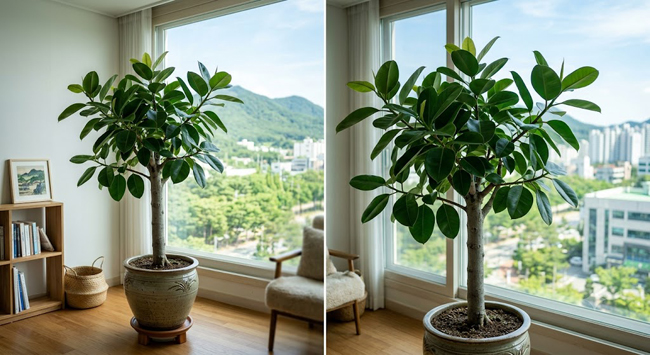
Its thick, glossy leaves gave it a sturdy appearance compared to some of the more delicate houseplants I had grown before. It looked elegant, required very little space, and seemed like the perfect plant for a bright corner of my home.
Of course, like many beginner plant owners, I quickly learned that even a hardy plant has its preferences.
Over time, I discovered that Rubber Trees are actually quite forgiving, but they also communicate clearly when something is wrong. A yellowing leaf, sudden leaf drop, or slow growth usually means the plant is trying to tell you something about its environment.
If you understand those signals and provide the right conditions, a Rubber Tree can become one of the easiest and most rewarding indoor plants to grow.
Why So Many People Love Rubber Trees
One thing that surprised me about Rubber Trees is how dramatically they can change a room.
Unlike smaller houseplants that blend into the background, a healthy Rubber Tree naturally becomes a focal point. Its large, shiny leaves create a bold look that works well in modern apartments, offices, and even small living spaces.
Another reason for its popularity is that it grows relatively quickly compared to many indoor plants.
I remember noticing that once my plant settled into its new location, new leaves began appearing regularly during spring and summer. Each leaf emerged wrapped in a reddish sheath before slowly unfolding into a large glossy leaf.
Watching that process never got old.
Because Rubber Trees can grow quite tall indoors, many people use them as living decorative elements rather than simply treating them as small potted plants.
Finding the Right Spot
If there is one lesson I learned early, it is that location matters more than most people think.
At first, I placed my Rubber Tree in a darker corner because it looked good there. The plant survived, but it certainly did not thrive.
Growth slowed dramatically, and new leaves became smaller than expected.
After moving it closer to a bright window, the difference was obvious within a few weeks.
Rubber Trees prefer bright, indirect sunlight. A location near an east-facing or bright south-facing window usually works well. While they can tolerate lower light conditions, they often grow more slowly and become less compact.
Direct afternoon sunlight can sometimes be too intense, especially during summer, so filtered light is often the safest option.
Learning Not to Overwater
Like many houseplant owners, I initially believed that more care meant more water.
That turned out to be one of my biggest mistakes.
Rubber Trees dislike constantly wet soil. Their thick leaves help them tolerate short dry periods surprisingly well.
Now I always check the soil before watering. If the top few inches still feel moist, I wait.
This simple habit has prevented most of the common problems that people encounter with Rubber Trees.
Overwatering often causes:
- Yellow leaves
- Leaf drop
- Slow growth
- Root rot
In contrast, allowing the soil to dry slightly between waterings usually keeps the plant much healthier.
During winter, I noticed my Rubber Tree needed significantly less water than during the active growing season.
Paying attention to seasonal changes helped prevent unnecessary stress on the plant.
Understanding What the Leaves Are Saying
One reason I enjoy growing Rubber Trees is that they provide clear clues about their health.
The leaves act almost like a communication system.
When the plant is happy, the leaves remain firm, glossy, and upright.
When something changes, the leaves often reveal the problem before it becomes serious.
For example:
Yellow Leaves
Usually caused by excessive watering or poor drainage.
Brown Leaf Edges
Often linked to dry air or inconsistent watering.
Sudden Leaf Drop
Can occur after moving the plant, exposing it to drafts, or significant temperature changes.
I learned not to panic whenever a single leaf dropped. Older leaves naturally age and fall off over time.
The real concern comes when multiple leaves begin dropping suddenly.
Pruning and Propagation
One of the most satisfying aspects of growing a Rubber Tree is how easy it is to shape.
If left alone, the plant naturally grows upward. However, pruning encourages side branches and creates a fuller appearance.
The first time I pruned mine, I was nervous about cutting a healthy stem.
A few weeks later, new growth emerged below the cut, making the plant look much fuller than before.
Propagation is equally rewarding.
A healthy stem cutting placed in water or moist soil can eventually develop roots and become an entirely new plant.
There is something especially satisfying about growing a second plant from one you have already cared for successfully.
Conclusion
The Rubber Tree has earned its reputation as one of the best indoor plants for a reason.
It combines attractive foliage, relatively simple care requirements, and impressive growth potential in a single plant. While it is often described as beginner-friendly, I have found that it rewards attention and consistency more than complicated techniques.
The biggest lessons I learned were simple: give it bright light, avoid overwatering, and pay attention to what the leaves are telling you.
Once those basics are in place, a Rubber Tree can thrive for years and gradually become one of the most striking plants in your home.