
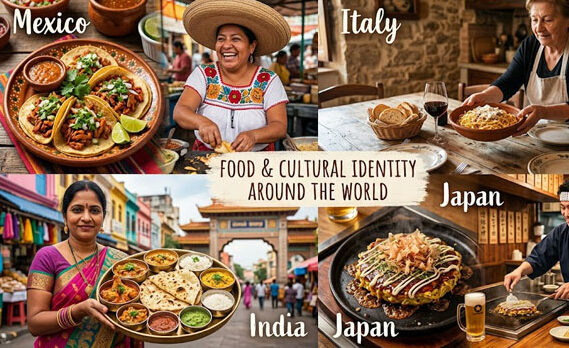
Food is often seen as something practical—a way to satisfy hunger and provide energy for daily life. Yet food has always been much more than that. Across every continent and throughout history, meals have carried stories, traditions, beliefs, and memories. They reveal where people come from, what resources were available to them, and how communities developed over time.
When travelers visit a new country, one of the first things they usually want to experience is the local food. A single dish can communicate more about a culture than a long history lesson. The ingredients, cooking methods, flavors, and even the way food is served often reflect centuries of cultural development.
In today’s globalized world, people can enjoy cuisines from nearly every corner of the planet. While this has expanded culinary choices, it has also highlighted how closely food remains connected to cultural identity. Even as societies modernize, traditional foods continue to play an important role in preserving heritage and strengthening community bonds.
Understanding food as a cultural expression helps us appreciate not only what people eat, but also the stories behind those meals.
Food as a Reflection of History
Every traditional dish has a history behind it. The ingredients available in a region, the climate, trade routes, migrations, and historical events all influence what eventually becomes part of a nation’s cuisine.
For example, many Mediterranean dishes feature olive oil, seafood, vegetables, and herbs because these ingredients have been abundant in the region for centuries. In contrast, cultures living in colder climates often developed diets centered around preserved foods, meats, and root vegetables that could survive long winters.
Historical events have also shaped culinary traditions. Trade between continents introduced spices, grains, fruits, and vegetables to new regions. Potatoes, originally from South America, became an essential part of many European cuisines. Likewise, chili peppers traveled from the Americas and eventually became central to numerous Asian dishes.
Migration has had a significant impact as well. Immigrant communities often bring recipes from their homelands while adapting them to local ingredients and customs. Over time, these adaptations can create entirely new culinary traditions that reflect both old and new cultural influences.
Many famous dishes today are products of centuries of cultural interaction. Their popularity demonstrates that food is not static; it evolves alongside society while retaining connections to its historical roots.
By studying traditional foods, people can gain valuable insight into the experiences, challenges, and achievements of earlier generations.
Family Recipes and Cultural Heritage
For many people, cultural identity is first experienced through family meals. Long before children learn about history in school, they are often introduced to their culture through food prepared at home.
Family recipes frequently carry emotional significance because they connect generations. A recipe passed from grandparents to parents and then to children becomes more than a set of cooking instructions. It becomes part of a family’s story.
In many households, special dishes are reserved for holidays, celebrations, or important life events. These meals create memories that remain meaningful for years. The aroma of a familiar dish can instantly remind someone of childhood gatherings, family traditions, or loved ones who are no longer present.
This emotional connection explains why people often seek traditional foods when living abroad. Food provides a sense of comfort and familiarity in unfamiliar surroundings. It serves as a reminder of home and helps maintain a connection to cultural roots.
Cultural heritage is preserved not only through recipes but also through cooking techniques and dining customs. Learning how to prepare traditional foods often involves learning family stories and cultural values at the same time.
In this way, food becomes a living form of cultural education. Each generation inherits knowledge that extends beyond ingredients and measurements.
The Importance of Food in Celebrations and Traditions
Across cultures, food plays a central role in celebrations and ceremonies. Weddings, religious holidays, harvest festivals, and family gatherings often revolve around shared meals.
These occasions demonstrate that food is not simply consumed; it is used to express hospitality, gratitude, unity, and joy.
In many cultures, preparing food for guests is considered an act of respect and generosity. Large gatherings often require significant time and effort in the kitchen, reflecting the importance placed on relationships and community.
Holiday foods frequently carry symbolic meanings as well. Certain ingredients may represent prosperity, health, longevity, or good fortune. These symbolic traditions often continue for generations, even as societies become more modern.
Religious traditions also influence food practices around the world. Some communities observe dietary guidelines, fasting periods, or ceremonial meals that reinforce spiritual values and collective identity.
What makes these traditions particularly meaningful is their ability to bring people together. Shared meals encourage conversation, strengthen family bonds, and create a sense of belonging.
Even in fast-paced modern societies, people continue to gather around tables during important moments. This enduring practice highlights the deep social role that food plays in human culture.
How Geography Shapes Local Cuisine
Geography has always been one of the strongest influences on food culture. Before modern transportation made global trade commonplace, communities relied heavily on local resources.
As a result, traditional cuisines developed around ingredients that were naturally available in each region.
Coastal communities often built their diets around fish and seafood. Agricultural regions focused on grains, fruits, and vegetables. Mountain communities frequently relied on livestock and preserved foods suitable for harsher environments.
Climate also affects cooking methods. In warmer regions, lighter dishes and fresh ingredients are often more common. In colder areas, hearty meals designed to provide warmth and energy have traditionally been preferred.
These environmental factors contribute to the diversity of cuisines around the world. They explain why neighboring countries can have dramatically different food traditions despite sharing certain cultural similarities.
Even today, local ingredients remain a source of regional pride. Farmers’ markets, traditional restaurants, and local food festivals celebrate unique culinary identities tied to specific places.
As travelers explore different regions, they often discover that local cuisine provides one of the most authentic ways to experience a destination’s culture.
Globalization and the Changing Food Landscape
The modern food landscape looks very different from that of previous generations. International travel, global trade, and digital communication have made foreign cuisines more accessible than ever before.
People can now enjoy sushi, tacos, pasta, curry, or barbecue regardless of where they live. This accessibility has encouraged cultural exchange and broadened culinary experiences worldwide.
Globalization has introduced exciting opportunities for creativity in cooking. Chefs often combine ingredients and techniques from different cultures to create innovative dishes that reflect a global perspective.
At the same time, globalization has raised concerns about preserving traditional food cultures. Fast-food chains and mass-produced products sometimes overshadow local culinary traditions, particularly among younger generations.
Many communities are responding by promoting traditional recipes, supporting local food producers, and educating younger people about cultural heritage through food.
Interestingly, globalization has also increased appreciation for authenticity. Travelers and consumers increasingly seek genuine cultural experiences, including traditional cuisine prepared according to local customs.
Rather than eliminating cultural food identities, globalization often highlights their value. As people encounter diverse cuisines, they become more aware of the uniqueness of their own culinary traditions.
The challenge moving forward is finding a balance between embracing new influences and preserving cultural heritage.
Food as a Bridge Between Cultures
One of the most powerful aspects of food is its ability to bring people together. Unlike language, food does not require translation. People from different backgrounds can share a meal and connect through a common human experience.
Food often serves as an introduction to unfamiliar cultures. Someone who knows little about another country may first become interested through its cuisine. Curiosity about food can lead to deeper learning about history, traditions, and ways of life.
Community events centered around food frequently promote cultural understanding. International festivals, neighborhood gatherings, and multicultural celebrations provide opportunities for people to experience different traditions firsthand.
Restaurants run by immigrant families often play an important role in cultural exchange. Through their food, they share elements of their heritage with broader communities while contributing to cultural diversity.
These interactions help challenge stereotypes and encourage mutual respect. When people sit together and share meals, differences often feel less significant.
Food reminds us that despite cultural diversity, humans share many common values. Hospitality, family, celebration, and community are themes that appear in food traditions around the world.
In this sense, food acts as both a symbol of cultural identity and a bridge connecting cultures.
Looking Ahead: Preserving Culinary Heritage in a Modern World
As technology and globalization continue to reshape society, traditional food cultures will inevitably evolve. New ingredients, cooking methods, and dining habits will emerge, just as they have throughout history.
However, preserving culinary heritage remains important because food carries knowledge, memories, and cultural values that cannot easily be replaced.
Many organizations, chefs, educators, and community leaders are working to document traditional recipes and cooking practices before they disappear. These efforts help ensure that future generations can understand and appreciate their cultural roots.
Younger generations are also showing renewed interest in traditional foods. Social media platforms have become unexpected tools for sharing family recipes, cooking demonstrations, and cultural stories.
This renewed interest suggests that cultural identity remains important even in an increasingly connected world.
Food will continue to evolve, but its role as a reflection of culture is unlikely to change. Whether enjoyed in a family kitchen, a local market, or a restaurant halfway across the world, food remains one of humanity’s most meaningful forms of cultural expression.
Ultimately, food tells stories. It tells stories about where people came from, what they value, and how they connect with one another. By exploring the foods of different cultures, we gain a deeper understanding not only of others but also of ourselves.