#cultural heritage

Hospitality
Culture

How Food Reflects Cultural Identity Around the World

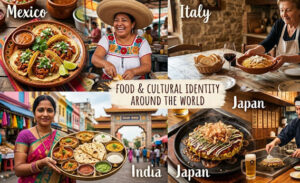
Food is often seen as something practical—a way to satisfy hunger and provide energy for daily life. Yet food has always been much more than that. Across every continent and throughout history, meals have carried stories, traditions, beliefs, and memories. They reveal where people come from, what resources were available to them, and how communities developed over time. When travelers visit a new country, one of the first things they usually want to experience is the local food. A single dish can communicate more about a culture than a long history lesson. The ingredients, cooking methods, flavors, and even the way food is served often reflect centuries of cultural development. In today’s globalized world, people can enjoy cuisines from nearly
Culture

Traditional Craft Workshops Attract New Generations

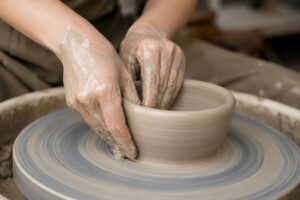
On a weekend afternoon, a pottery studio in a busy city is filled with people carefully shaping clay by hand. A few streets away, a small woodworking workshop hosts a beginner class. Elsewhere, participants gather around tables learning leathercraft, weaving, or calligraphy. Many of them are trying these activities for the first time. For businesses built around traditional crafts, this growing interest has been difficult to ignore. Not long ago, many people assumed that handmade crafts would appeal mainly to specialists, collectors, or older generations. Yet workshops dedicated to traditional skills are increasingly welcoming younger participants who are curious about creating something with their own hands. Part of the attraction may be the experience itself. Much of modern life takes

haimnews
Culture

Local History Museums Are Finding New Ways to Engage Visitors

Small history museums rarely receive the same attention as major tourist attractions. Visitors traveling to a new city often focus on famous landmarks, restaurants, and shopping districts. Museums dedicated to local history can easily be overlooked, especially when they occupy older buildings or operate on a much smaller scale than national institutions. Yet in many communities, these museums are quietly attracting new audiences. Part of the change comes from how exhibitions are being presented. Rather than relying solely on display cases and information panels, many museums are introducing interactive elements that encourage visitors to participate. Historical photographs are being paired with personal stories. Audio recordings allow residents to share memories of neighborhoods that have changed over time. Some museums even

haimnews
Culture

Why Museums Continue to Inspire Learning and Culture

Museums have played an important role in preserving history, celebrating creativity, and supporting education for generations. In a world where information is increasingly available through digital platforms, museums continue to attract millions of visitors each year. They offer experiences that combine learning, cultural exploration, and personal discovery in ways that remain relevant to modern society. From art galleries and science museums to historical exhibitions and cultural institutions, museums provide opportunities to engage with ideas, stories, and achievements from different periods and regions. They help people better understand the past while encouraging curiosity about the present and future. Understanding why museums continue to inspire learning and culture reveals their lasting importance in an increasingly digital world. What Is a Museum? A

haimnews
Culture

Why Traditional Crafts Still Matter in the Modern World

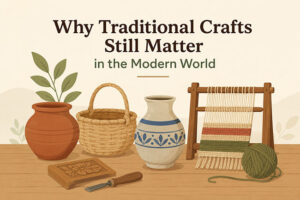
In an age dominated by digital technology, automation, and mass production, traditional crafts continue to hold a unique place in cultures around the world. While modern manufacturing has made products more accessible and affordable, handcrafted goods remain valued for their artistry, cultural significance, and connection to human creativity. Traditional crafts represent generations of knowledge, skill, and cultural identity. They preserve techniques that have been passed down through families and communities for centuries. From pottery and weaving to woodworking and textile arts, these practices reflect the history and values of the societies that developed them. As modern lifestyles evolve, understanding the importance of traditional crafts helps highlight the relationship between culture, creativity, and heritage. What Are Traditional Crafts? Traditional crafts refer