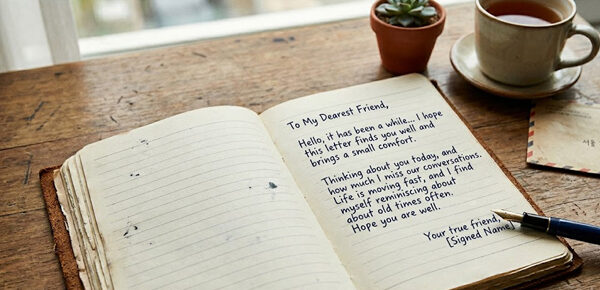

Most readers only see the finished product—a beautifully printed book sitting on a bookstore shelf or arriving in a package at their front door. What many people do not realize is how much work happens before that moment.
As someone who has been involved in publishing, I have often been surprised by how many steps exist between a completed manuscript and a finished book. What appears to be a simple process from the outside is actually a long journey involving writers, editors, designers, printers, distributors, and booksellers.
Every book follows a slightly different path, but the overall journey remains remarkably similar. Understanding this process not only helps readers appreciate the work behind a book but also gives aspiring authors a realistic view of what happens after the writing is finished.
It All Begins with a Manuscript
Every book starts with an idea.
For some authors, that idea develops over months. For others, it may take years before a manuscript is finally completed.
Many first-time writers assume that finishing a manuscript means the hard work is over. In reality, finishing the first draft is often just the beginning.
When a manuscript arrives at a publishing house, it rarely moves directly into production. Instead, it enters a review process where editors evaluate its strengths, weaknesses, target audience, and market potential.
Sometimes the manuscript is accepted quickly. More often, revisions are needed before the project can move forward.
Even experienced authors frequently revise their work multiple times before publication.
The Editing Stage
Editing is one of the most important parts of publishing.
A great idea alone does not automatically become a great book. Editors help transform a manuscript into something clearer, stronger, and more engaging for readers.
This stage may involve:
- Structural editing
- Content editing
- Fact-checking
- Grammar correction
- Consistency reviews
During editing, entire sections may be rewritten, rearranged, shortened, or expanded.
Although some authors initially find revisions frustrating, the editing process usually strengthens the final product significantly.
Many of the books we admire most today benefited from extensive editorial work before publication.
Design Brings the Book to Life
Once the manuscript is finalized, attention shifts to design.
This is often the stage where the project begins to feel like a real book.
Cover Design
People often say, “Never judge a book by its cover.”
In reality, almost everyone does.
A book cover serves as the first impression. Before readers know anything about the content, they see the title, typography, colors, and imagery.
A strong cover communicates the book’s purpose and helps attract the right audience.
Designers typically create multiple concepts before settling on a final version.
Interior Layout
The inside of a book matters just as much as the cover.
Designers choose:
- Fonts
- Margins
- Chapter styles
- Line spacing
- Page size
A well-designed interior improves readability and creates a professional reading experience.
Readers may not consciously notice these details, but they often notice when they are done poorly.
Proofreading and Final Checks
Before printing begins, the book enters another important stage: proofreading.
This is the final opportunity to catch mistakes.
Even after multiple rounds of editing, small errors can still appear.
Common issues include:
- Typographical mistakes
- Formatting inconsistencies
- Incorrect page numbers
- Missing text
- Spacing problems
Publishers often review proof copies carefully because correcting mistakes after printing can be expensive and time-consuming.
Attention to detail during this stage protects both the publisher and the author from unnecessary problems later.
The Printing Process
For many people, printing feels like the moment a book officially becomes real.
After months—or sometimes years—of development, digital files are finally transformed into physical copies.
The printer receives production-ready files and begins preparing the press.
Several decisions affect the final product:
- Paper type
- Paper weight
- Cover finish
- Binding style
- Print quantity
These choices influence not only the appearance of the book but also its production cost.
Holding the first printed copy is often one of the most rewarding moments in the entire publishing process.
It represents the culmination of countless hours of writing, editing, designing, and planning.
Distribution and Logistics
Printing is not the end of the journey.
In many ways, it is only the beginning.
Once books are printed, they must be distributed to retailers, warehouses, online marketplaces, and bookstores.
This stage involves logistics that many readers never think about:
- Inventory management
- Shipping
- Warehousing
- Order fulfillment
- Retail coordination
A book cannot reach readers if it remains stacked in storage.
Effective distribution plays a major role in determining a book’s success.
Reaching the Reader
Eventually, the book becomes available for purchase.
Readers may discover it through:
- Bookstores
- Online retailers
- Social media
- Recommendations
- Reviews
- Author events
This is the moment when all previous efforts finally connect with the audience.
A book’s true purpose is fulfilled when someone opens its pages and begins reading.
No matter how beautiful the design or how efficient the production process, the ultimate goal is always the same: creating a meaningful experience for the reader.
What Surprised Me Most About Publishing
One thing I learned through publishing is that books are far more collaborative than many people realize.
Readers often see only the author’s name on the cover, but every published book is usually the result of many people working together behind the scenes.
Editors refine the manuscript.
Designers shape the reading experience.
Printers produce the physical book.
Distributors move it into the marketplace.
Booksellers help readers discover it.
Each person contributes to the final result.
The finished book may look simple sitting on a shelf, but its journey is anything but simple.
Conclusion
The journey of a book from manuscript to bookshelf is a fascinating process that combines creativity, craftsmanship, business, and teamwork.
What begins as a simple idea gradually evolves through editing, design, proofreading, printing, distribution, and marketing before finally reaching readers.
The next time you pick up a book, take a moment to appreciate everything that happened before it arrived in your hands.
Behind every published book is a story that most readers never see—a journey filled with countless decisions, challenges, revisions, and collaborations.
And that journey is part of what makes books so remarkable.