
#living alone

Society

Why More People Are Choosing to Live Alone

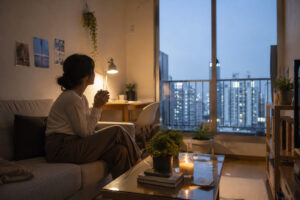
For much of modern history, living alone was often seen as unusual. Most people lived with family members, spouses, or roommates, whether by choice or necessity. Today, however, single-person households are becoming one of the fastest-growing living arrangements in many parts of the world. From large cities in Asia to suburban communities in North America and Europe, more people are choosing—or finding themselves living—on their own. According to demographic trends observed across developed countries, the number of one-person households has steadily increased over the past few decades. What was once considered an exception is gradually becoming a normal part of modern society. This shift is more than a housing trend. It reflects changes in work, relationships, technology, economics, and personal

Society

More People Are Choosing to Live Alone, But Not Necessarily in Isolation

Living alone was once often associated with a particular stage of life. It was commonly viewed as a temporary arrangement for students, young professionals, or individuals between major life transitions. Today, however, single-person households are becoming a familiar part of many communities. In cities around the world, the number of people living alone has steadily increased. Rising housing costs, changing career paths, later marriages, and shifting personal preferences have all contributed to the trend. For many people, living alone is no longer seen as an unusual choice but simply one of several ways to organize daily life. Yet one assumption continues to follow the conversation: the idea that living alone automatically means being socially disconnected. The reality is often more