
#Digital Life

Society

When Did Waiting Become So Difficult?

A few months ago, I caught myself becoming impatient over something that would have seemed ridiculous just a generation ago. I was waiting for a website to load. The page wasn’t frozen. My internet connection wasn’t broken. Nothing had gone wrong. The loading icon simply remained on the screen for a few extra seconds. Yet I felt annoyed. I remember staring at the screen, wondering why it was taking so long. Then another thought followed almost immediately. How long had I actually been waiting? Five seconds? Ten? Certainly not more than that. The strange thing wasn’t the delay. The strange thing was my reaction. Somewhere along the way, a few seconds had started to feel like a long time. That

parks
Society

Why Everything Feels Urgent All the Time

There was a time when waiting was simply part of life. If someone sent you a letter, you waited for a reply. If a friend wasn’t home when you called, you tried again later. If you ordered something, you expected it to arrive in a few days, not a few hours. Information was not instantly available, and communication was not constant. Looking back, that world feels surprisingly distant. Today, we live in an age built around speed. Messages arrive instantly. News spreads within seconds. Food can be delivered in less time than it takes to cook it yourself. We carry devices in our pockets that allow us to communicate with almost anyone, almost anywhere, at any time. Yet despite all

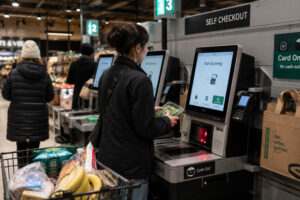
self checkout
Society

Why We Feel Busier Than Ever Even When Technology Saves Us Time

A few weeks ago, I found myself wondering how people managed daily life before smartphones, online banking, food delivery apps, and instant messaging. In theory, modern technology should have given us more free time than any generation before us. We can send a message in seconds. Pay bills without leaving home. Order groceries with a few taps. Find information almost instantly. Yet despite all these conveniences, many people still describe themselves using the same phrase: “I’m busy.” Not just occasionally busy. Constantly busy. The more I thought about it, the more I realized this feeling isn’t unique to me. Friends, coworkers, and even strangers often talk about being overwhelmed by schedules, notifications, and endless responsibilities. It made me wonder whether

community
Culture

Why Third Places Matter More Than Ever: What I Learned About Community in a Digital World

A few years ago, I realized something had quietly changed about my daily life. I was spending more time connected to people than ever before, yet I felt like I was interacting with fewer people in real life. My phone was full of messages. Social media feeds never stopped updating. Video calls had become routine. On paper, I was more connected than I had ever been. But outside of work and family, I rarely found myself having spontaneous conversations with strangers or spending time in places where people simply gathered without a specific purpose. That made me curious about something I had never paid much attention to before: the idea of a “third place.” Home is considered the first place.

community
Society

What We Lost When Everything Went Digital

I was looking for an old photograph recently. Not a photo on my phone. Not something stored in the cloud. I was looking for an actual printed photograph. After searching through a few drawers, I found a dusty photo album that hadn’t been opened in years. As I turned the pages, I noticed something surprising. I spent far more time looking at those photographs than I usually spend scrolling through hundreds of digital images on my phone. The photos weren’t necessarily better. Some were blurry. Some were poorly framed. A few had faded over time. Yet each one seemed to carry a weight that many digital photos no longer have. That experience made me think about how much of life