
#arts and culture

Floral

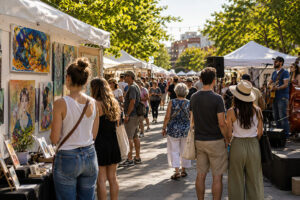
Rose Arts Festival: Why Community Arts Festivals Continue to Matter

In an age dominated by streaming platforms, social media, and digital entertainment, local arts festivals continue to attract thousands of visitors each year. Among these events, the Rose Arts Festival has become an example of how communities use art, music, culture, and public gatherings to bring people together. While large international festivals often receive the most media attention, community-centered arts festivals play an equally important role. They support local artists, encourage tourism, strengthen neighborhood identity, and create opportunities for people to experience creativity in everyday life. The Rose Arts Festival is more than a celebration of art. It represents a growing movement that values community engagement, cultural expression, and public participation in creative activities. Understanding why these festivals remain popular


bookstores
Culture

Independent Bookstores Continue to Offer Experiences Beyond Shopping

Walking into an independent bookstore often feels different from entering a large retail chain. The shelves may be smaller. The selection may be more carefully curated. There may not be hundreds of copies of the latest bestseller stacked near the entrance. Instead, visitors are often greeted by handwritten recommendations, themed displays, and books chosen with a particular audience in mind. For many customers, that difference is precisely the appeal. Independent bookstores continue to operate in communities around the world despite significant changes in the publishing and retail industries. While online shopping offers convenience and large retailers provide extensive inventories, smaller bookstores have increasingly focused on something that cannot be packaged and shipped: experience. As a result, many independent bookstores have

community
Culture

Community Choirs Continue to Bring People Together Through Music

On a Tuesday evening, a group of people slowly gathers inside a community center. Some arrive directly from work. Others are retired and have more flexible schedules. A few are students. Most would not have crossed paths in their daily lives, yet within minutes they are standing side by side, sheet music in hand, preparing to rehearse the same song. Community choirs have existed for generations, but they continue to occupy a unique place in modern cultural life. While music is now more accessible than ever through streaming platforms and digital media, many people still choose to experience it in a much more traditional way—by singing together in the same room. What makes community choirs interesting is that they are

haimnews
Culture

Local Theater Productions Continue to Find New Audiences

On a Friday evening, a small theater with fewer than a hundred seats begins to fill. There are no red carpets outside. No major celebrities appear on posters. Most people passing by might not even realize a performance is about to begin. Yet inside, actors make final preparations while audience members settle into their seats, waiting for the lights to dim. Scenes like this take place every week in cities and towns around the world. Local theater has never competed directly with large film studios or major entertainment companies. Its appeal comes from something different. Every performance happens in real time, with actors and audiences sharing the same space. No two shows are exactly alike, even when the script remains

Culture

Local Art Festivals Continue to Attract New Audiences

In an era dominated by digital entertainment, local art festivals continue to draw visitors from a wide range of age groups. While streaming services, social media platforms, and online content compete for attention every day, community-based cultural events remain an important part of local life. Across many cities and towns, art festivals have evolved beyond traditional exhibitions. Visitors can often experience live performances, interactive workshops, food markets, and opportunities to meet artists directly. This combination of cultural activities has helped festivals appeal to audiences who may not regularly visit museums or galleries. One reason for their continued popularity is the growing interest in experiences rather than possessions. Consumers increasingly spend money on activities that create memories and provide opportunities for