
In recent weeks, Long Island has become a major topic in global news, not only because of its popularity as a summer destination but also due to emerging health concerns linked to coastal waters, particularly reports of so-called “flesh-eating bacteria” that have raised alarm among both residents and tourists. As more people search for terms like “Long Island bacteria,” “Vibrio infection,” and “Is Long Island water safe?”, it is clear that public attention is rapidly growing, fueled by a combination of media coverage, social media discussions, and heightened awareness of environmental risks. While some headlines may appear alarming, understanding the facts behind these reports is essential, because accurate information allows people to respond wisely rather than react out of fear. This issue is not only about a single location, but about a broader pattern of environmental change, public health awareness, and how communities adapt to evolving risks in coastal regions.
What Is the Flesh-Eating Bacteria Found in Long Island Waters?
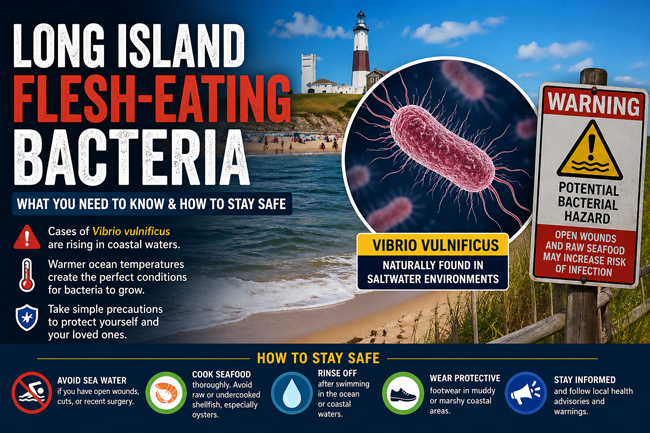
Recent reports about flesh-eating bacteria in Long Island waters have raised serious concerns among residents, travelers, and health officials, as the presence of Vibrio vulnificus—a naturally occurring marine bacterium—has been increasingly detected in coastal environments where water temperatures are rising due to seasonal changes and long-term climate trends. Although this bacterium has existed for decades, it is now gaining attention because infections can progress rapidly and lead to severe complications, especially when the bacteria enter the body through open wounds or cuts while swimming in contaminated seawater, or through the consumption of raw or undercooked seafood such as oysters. What makes this situation particularly alarming is not only the severity of the infection, but also the speed at which it can escalate, sometimes leading to life-threatening conditions within a short period of time if not treated promptly.
Why Vibrio Infections Are Becoming More Common
One of the key reasons behind the increasing number of Long Island Vibrio cases is the steady rise in ocean temperatures, which creates a more favorable environment for bacteria to grow and spread, especially during warmer months when both water activity and bacterial concentration peak simultaneously. Climate change has been identified as a contributing factor, as higher average temperatures extend the duration of conditions in which Vibrio can thrive, allowing it to expand beyond its traditionally limited geographic range and affect areas that were previously considered low-risk. In addition to temperature, water quality issues such as pollution, runoff, and ecological imbalance may also contribute to bacterial growth, making coastal monitoring and public awareness more critical than ever. As a result, what was once seen as a rare or isolated health concern is now being recognized as a recurring seasonal risk that requires consistent attention from both authorities and the public.
How to Stay Safe in Long Island Coastal Areas
Despite the seriousness of the situation, it is important to understand that Vibrio infections remain relatively rare, and there are clear, practical steps that individuals can take to significantly reduce their risk when visiting beaches or engaging in water activities around Long Island. Health experts recommend avoiding contact with seawater if you have open wounds, cuts, or recent surgical sites, as this is one of the most common pathways for infection, and they also advise proper handling and thorough cooking of seafood to eliminate potential bacterial exposure through ingestion. Wearing protective footwear in certain coastal areas, rinsing off after swimming, and staying informed about local health advisories can further minimize risk while still allowing people to enjoy the natural environment safely. Ultimately, awareness—not fear—is the most effective response, as understanding the conditions under which Vibrio thrives enables individuals to make informed decisions and maintain both safety and confidence when visiting Long Island’s coastal regions.
Conclusion: Awareness, Not Fear, Is the Right Response
The growing attention around Long Island flesh-eating bacteria highlights a broader shift in how environmental changes are directly influencing public health risks, especially in coastal regions where climate patterns, water quality, and human activity intersect in complex ways. While the term “flesh-eating bacteria” can sound alarming, it is important to recognize that informed awareness is far more effective than panic, because understanding how infections occur—and how they can be prevented—empowers individuals to take simple but meaningful precautions without avoiding outdoor experiences altogether. The situation in Long Island serves as a reminder that modern public health challenges are often tied to environmental conditions, requiring both institutional monitoring and personal responsibility to manage risk effectively. Moving forward, staying informed, following safety guidelines, and maintaining a balanced perspective will be key to ensuring that people can continue to enjoy coastal environments safely, even as new challenges emerge in a changing world.