A few years ago, I received an orchid as a gift and immediately assumed it would be difficult to keep alive.
Like many people, I associated orchids with experienced plant collectors, greenhouses, and complicated care routines. I admired their beauty but never considered them beginner-friendly plants.
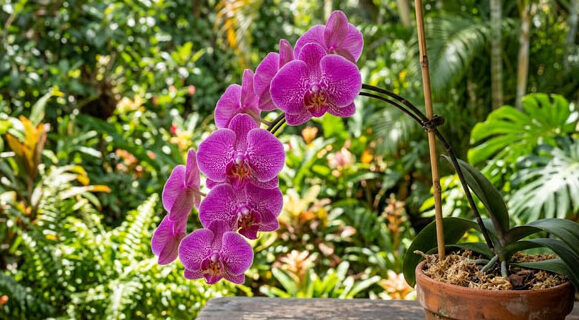
That perception changed when I was introduced to the Dendrobium Phalaenopsis orchid, often called the Denphal orchid.
What surprised me most was not just the beauty of the flowers, but how adaptable the plant was to indoor environments. Unlike some orchids that require highly specific conditions, Denphal orchids can thrive in ordinary homes when given the right balance of light, water, and airflow.
Over time, I came to understand why this orchid remains one of the most popular flowering houseplants in many parts of the world.
Its elegant blooms, relatively simple care requirements, and impressive flowering period make it an excellent choice for both beginners and experienced plant enthusiasts.
What Is a Dendrobium Phalaenopsis Orchid?
The Dendrobium Phalaenopsis orchid belongs to the large Dendrobium family, one of the most diverse orchid groups in the world.
Its name often causes confusion because the flowers resemble those of the popular Phalaenopsis orchid, commonly known as the moth orchid. While the two plants belong to different orchid groups, their flowers share a similar appearance, which is how the Denphal orchid earned its name.
One of the most distinctive characteristics of this orchid is its upright growth habit.
Tall canes develop vertically, and flower spikes emerge from the upper sections of these stems. A healthy plant can produce multiple blooms on each spike, creating a dramatic display that often lasts for weeks.
Flower colors vary widely and include:
- White
- Pink
- Purple
- Lavender
- Bi-color combinations
The petals are thick and durable, making them popular not only as potted plants but also as cut flowers for floral arrangements.
Under proper conditions, the flowers can remain attractive for one to two months, significantly longer than many common flowering plants.
Why Denphal Orchids Have Become So Popular
Many houseplants are beautiful for a short period and then become difficult to maintain.
Denphal orchids are different.
One reason for their popularity is their ability to combine beauty with practicality.
The plant provides vibrant flowers without requiring constant attention. Once growers understand its basic needs, care becomes surprisingly straightforward.
Another advantage is its suitability for indoor living.
Many flowering plants require outdoor gardens or extensive sunlight. Denphal orchids adapt well to bright indoor locations, making them ideal for apartments, offices, and homes with limited outdoor space.
I have noticed that many first-time orchid owners are initially intimidated by orchids but quickly gain confidence after successfully growing a Denphal.
Its forgiving nature often turns beginners into long-term plant enthusiasts.
The Meaning Behind Denphal Orchids
Flowers often carry symbolic meanings, and orchids are no exception.
Denphal orchids are commonly associated with love, affection, blessings, and admiration.
Because of these meanings, they are frequently chosen as gifts for important occasions.
People often give them as:
- Anniversary gifts
- Housewarming presents
- Business opening gifts
- Birthday gifts
- Expressions of appreciation
What makes them particularly meaningful is their longevity.
Unlike bouquets that fade within a week, a healthy Denphal orchid can continue blooming for many weeks, allowing the recipient to enjoy the gift long after the occasion has passed.
Whenever I give flowering plants as gifts, I find that adding a handwritten note explaining the flower’s symbolism makes the gesture even more memorable.
Understanding the Natural Habitat of Denphal Orchids
One of the most helpful lessons I learned about plant care is that understanding a plant’s natural environment often makes caring for it much easier.
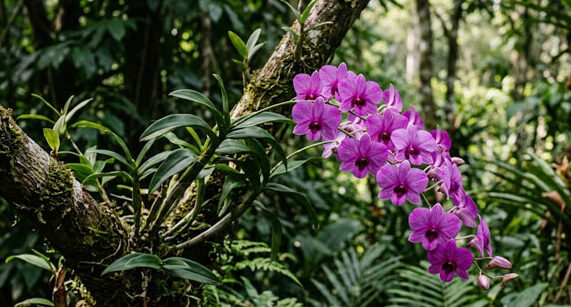
Denphal orchids originate from tropical and subtropical regions where they experience warm temperatures, bright filtered light, and good air circulation.
Instead of trying to memorize complicated care instructions, it helps to imagine the conditions the plant would experience in nature.
When growers recreate those conditions indoors, the orchid usually responds with healthy growth and reliable flowering.
Light Requirements: The Key to Bloom Production
Lighting is perhaps the most important factor affecting flower production.
Denphal orchids enjoy bright, indirect sunlight.
A location near an east-facing or south-facing window often works well, provided the harsh midday sun is filtered through curtains or blinds.
One mistake I made when growing orchids was assuming that more sunlight always meant better growth.
In reality, excessive direct sunlight can scorch leaves and stress the plant.
Signs of excessive light include:
- Yellowing leaves
- Brown leaf spots
- Burned leaf edges
On the other hand, insufficient light often results in weak growth and poor flowering.
Finding the balance between brightness and protection is essential.
Watering: The Most Common Beginner Mistake
If there is one area where new orchid owners struggle most, it is watering.
Most people kill orchids through kindness rather than neglect.
Overwatering is far more dangerous than underwatering.
Denphal orchids should not remain constantly wet.
Instead of watering according to a strict calendar schedule, I learned to check the growing medium first.
Many orchids are grown in sphagnum moss or coarse bark mixtures. When the medium begins to dry slightly, it is usually time to water again.
In most indoor environments, watering once or twice per week is sufficient, although seasonal changes may require adjustments.
When watering, thoroughly soak the medium and allow excess water to drain completely.
Never allow the pot to sit in standing water.
Healthy roots require both moisture and oxygen.
Humidity and Airflow: Finding the Right Balance
Because Denphal orchids originate from tropical climates, they appreciate moderate humidity.
However, humidity alone is not enough.
Good air circulation is equally important.
Without airflow, excessive moisture can encourage fungal problems and root issues.
One practice that has worked well for me is placing orchids in naturally ventilated areas rather than isolated corners of a room.
Occasionally misting the air around the plant can also help increase humidity.
However, avoid spraying water directly onto the flowers.
Water spots can damage delicate blooms and shorten their lifespan.
The goal is to create a fresh, airy environment that mimics tropical growing conditions.
Fertilizing and Repotting for Long-Term Health
Like most flowering plants, Denphal orchids benefit from regular feeding.
During active growth periods, I use a diluted orchid fertilizer approximately every two weeks.
Consistent but moderate feeding supports healthy leaves, roots, and future flower spikes.
Repotting is usually necessary every two to three years.
Signs that repotting may be needed include:
- Decomposing growing medium
- Roots growing outside the container
- Reduced drainage
- Declining plant health
The best time to repot is after flowering has finished or when new root growth begins.
Fresh orchid media improves airflow around the roots and helps prevent moisture-related problems.
Common Problems and How to Avoid Them
Like any houseplant, Denphal orchids can experience occasional challenges.
Fortunately, most problems are preventable.
Overwatering
The most common issue is root rot caused by excessive moisture.
Always allow excess water to drain away completely.
Sudden Temperature Changes
Rapid temperature fluctuations can stress the plant and cause flower buds to drop prematurely.
Avoid placing orchids near air conditioners, heaters, or drafty windows.
Pests
Scale insects, spider mites, and mealybugs occasionally appear on indoor orchids.
Regular inspection of leaves, especially their undersides, helps identify problems before they become severe.
Early treatment is usually simple and effective.
Why Denphal Orchids Are Worth Growing
Among the many flowering houseplants available today, Denphal orchids offer a rare combination of beauty, durability, and accessibility.
They produce stunning flowers that last for weeks, adapt well to indoor environments, and reward consistent care with reliable blooms.
Perhaps most importantly, they help new plant owners build confidence.
Many people begin their orchid journey believing orchids are impossible to grow. After successfully caring for a Denphal orchid, they often discover that orchids are far more approachable than they imagined.
Conclusion
Dendrobium Phalaenopsis orchids have earned their popularity for good reason.
Their elegant flowers, long blooming period, and relatively simple care requirements make them one of the most rewarding indoor plants available.
By providing bright indirect light, proper watering, adequate humidity, good airflow, and occasional feeding, even beginners can enjoy healthy plants and spectacular blooms.
If you already own a Denphal orchid, take a moment today to evaluate its environment. Check the growing medium, assess the light levels, and make sure the plant has adequate airflow.
Small adjustments can make a significant difference.
With consistent care and attention, your orchid can continue rewarding you with beautiful flowers year after year.