
Understanding El Niño Weather: A Global Phenomenon Explained
El Niño, a term derived from Spanish for “the boy” or “Christ child,” refers to a recurring climate pattern characterized by unusually warm surface waters in the central and eastern tropical Pacific Ocean. This warming is not just a localized event; it’s a powerful driver of weather patterns across the globe, influencing everything from rainfall in distant continents to the intensity of hurricanes. While often discussed in terms of its impact on the Americas, El Niño’s reach is truly global, affecting ecosystems, agriculture, and economies worldwide.
The Science Behind El Niño: Oscillations and Ocean Currents
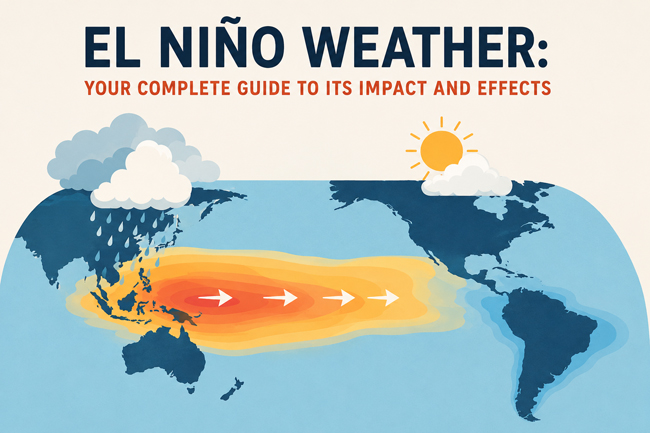
At its core, El Niño is part of a larger, natural climate cycle known as the El Niño-Southern Oscillation (ENSO). ENSO has three phases: El Niño (warm phase), La Niña (cool phase), and neutral conditions. During a neutral phase, trade winds blow from east to west across the tropical Pacific, pushing warm surface water towards Asia and Australia. This allows cooler, nutrient-rich water to rise from the depths off the coast of South America.
However, during an El Niño event, these trade winds weaken or even reverse. This shift allows the warm surface water to spread eastward across the Pacific, suppressing the upwelling of cold water. This massive redistribution of heat in the ocean has profound implications for atmospheric circulation, leading to widespread changes in weather patterns. The Southern Oscillation component refers to the atmospheric pressure changes that accompany these oceanic shifts, with lower pressure typically observed over the warmer eastern Pacific and higher pressure over the cooler western Pacific.
What Does El Niño Weather Mean for You? Global Impacts
The effects of El Niño are diverse and can vary in intensity and location with each event. However, several general patterns emerge:
-
Global Temperature Rise: El Niño events are often associated with a temporary increase in global average temperatures. The vast amount of warm water in the Pacific releases heat into the atmosphere, contributing to warmer conditions worldwide. This can exacerbate existing heatwaves and contribute to new temperature records.
-
Altered Rainfall Patterns: Perhaps the most significant impact of El Niño is on rainfall.
-
Americas: In the southern United States, El Niño typically brings wetter-than-average conditions, especially during the winter months, leading to an increased risk of flooding. Conversely, parts of the Amazon basin and Southeast Asia often experience drought, impacting agriculture and increasing wildfire risk. Australia also frequently faces drought conditions.
-
Other Regions: The specific rainfall impacts can be complex and vary. For instance, parts of East Africa might experience increased rainfall, while Southern Africa could see drier conditions.
-
Extreme Weather Events: El Niño can influence the frequency and intensity of various extreme weather events.
-
Hurricanes: In the Atlantic basin, El Niño tends to suppress hurricane activity due to increased wind shear, which can tear developing storms apart. However, in the eastern North Pacific, hurricane activity can be enhanced.
-
Droughts and Floods: As mentioned, El Niño is a major driver of both severe droughts and devastating floods in different regions of the world.
-
Wildfires: Drought conditions associated with El Niño significantly increase the risk of wildfires, particularly in regions like Australia and Indonesia.
-
Marine Ecosystems: The warming of surface waters and the suppression of nutrient-rich upwelling have drastic effects on marine life. Fish populations that rely on cooler waters and the nutrients they bring can decline, impacting fisheries and the entire marine food web. Coral reefs are also vulnerable to bleaching events when water temperatures rise too high.
-
Agriculture and Food Security: Changes in rainfall and temperature directly impact agricultural yields. Droughts can devastate crops, leading to food shortages and price increases. Flooding can destroy harvests and damage farmland. This has significant implications for global food security, especially in regions heavily reliant on rain-fed agriculture.
Preparing for El Niño: Practical Strategies and Considerations
While El Niño is a natural phenomenon, its impacts can be mitigated through preparedness and adaptation. Understanding the potential risks is the first step.
For Individuals and Households
-
Stay Informed: Monitor weather forecasts and advisories from reputable sources like national meteorological services and organizations like NOAA (National Oceanic and Atmospheric Administration). Knowing what to expect is crucial for effective planning.
-
Water Conservation: If your region is predicted to experience drought, start conserving water immediately. Fix leaks, reduce shower times, and consider drought-tolerant landscaping.
-
Flood Preparedness: If your area is prone to increased rainfall and flooding, take steps to protect your home. Ensure your sump pump is working, clear gutters and downspouts, and have an evacuation plan if necessary. Elevate valuable possessions if you live in a flood-prone area.
-
Fire Safety: If drought and high temperatures are expected, be extra vigilant about fire safety. Avoid outdoor burning, properly dispose of smoking materials, and clear dry vegetation around your property.
-
Food Storage: Consider having a small emergency food supply that can last for a few days, especially if you live in an area prone to agricultural disruptions.
For Communities and Businesses
-
Infrastructure Assessment: Local governments and utility companies should assess the vulnerability of infrastructure, such as dams, levees, and water supply systems, to potential El Niño impacts.
-
Agricultural Planning: Farmers should consider planting drought-resistant crops, adjusting planting schedules, and implementing water-efficient irrigation techniques in anticipation of changing rainfall patterns. Crop insurance can also play a vital role.
-
Emergency Services Preparedness: Emergency responders should review and update their plans for dealing with potential floods, droughts, wildfires, and other extreme weather events. Stockpiling necessary supplies and conducting drills can enhance readiness.
-
Economic Diversification: For regions heavily dependent on climate-sensitive industries like agriculture or tourism, exploring economic diversification can build resilience against climate variability.
-
Water Management: Water resource managers need to plan for potential changes in water availability, considering both shortages during droughts and excess during heavy rainfall periods. This might involve reservoir management strategies and inter-basin water transfers.
El Niño vs. La Niña: The Other Side of the ENSO Coin
It’s important to remember that El Niño is only one phase of the ENSO cycle. Its counterpart, La Niña, represents the opposite extreme. During La Niña, the trade winds strengthen, pushing warm water westward and leading to cooler-than-average surface temperatures in the central and eastern tropical Pacific.
La Niña typically brings opposite weather patterns to many regions compared to El Niño:
-
Increased Rainfall: Regions that experience drought during El Niño might see increased rainfall during La Niña, such as parts of Southeast Asia and Australia.
-
Drier Conditions: Conversely, the southern U.S. might experience drier-than-average conditions during La Niña.
-
Atlantic Hurricane Activity: La Niña often correlates with increased hurricane activity in the Atlantic basin due to reduced wind shear.
Understanding both El Niño and La Niña provides a more complete picture of the ENSO cycle’s influence on global weather.
The Future of El Niño: Climate Change Considerations
Scientists are actively researching how climate change might influence El Niño events. While the exact relationship is complex and still being studied, some projections suggest that:
-
Increased Intensity: Some models indicate that El Niño events could become more intense in a warming world, leading to more extreme impacts.
-
Shifting Patterns: The geographical extent and duration of El Niño events might also change, making prediction and preparation more challenging.
-
Compounding Effects: The impacts of El Niño could be amplified by other climate change effects, such as rising sea levels exacerbating coastal flooding during storm surges.
This underscores the importance of not only preparing for individual El Niño events but also addressing the broader challenge of climate change to build long-term resilience.
Conclusion: Navigating the Waves of El Niño
El Niño is a powerful and complex climate driver that shapes weather patterns across the globe. Its effects—from altered rainfall and temperature to impacts on ecosystems and economies—are far-reaching. By understanding the science behind El Niño, staying informed about its potential impacts, and implementing practical preparedness strategies, individuals, communities, and businesses can better navigate the challenges and adapt to the changes it brings. As our climate continues to evolve, a proactive and informed approach to phenomena like El Niño is more critical than ever for ensuring resilience and sustainability.