The Adorable Avalanche: Why Baby Animals Are Stealing the Spotlight
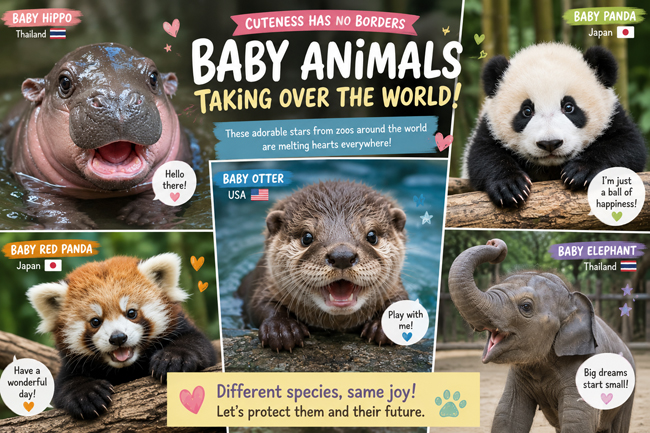
The internet, and indeed the world, seems to have a soft spot for cuteness. In recent times, a particular star has risen, eclipsing even the most popular human celebrities: the baby hippo. But it’s not just hippos; a general “baby animal” trend is sweeping across continents, turning zoos and online platforms into stages for these irresistible creatures. From the bustling streets of Bangkok to the serene landscapes of Japanese zoos, and even the vast expanses of American wildlife parks, the appeal of young animals is undeniable. This phenomenon isn’t just about fleeting internet fame; it’s about a deeper connection, a shared joy, and a powerful economic driver for the institutions that house them.
From Local Charms to Global Icons
The journey of an animal star often begins locally. A particularly photogenic or playful baby hippo at a Thai zoo might capture the attention of local media. Its adorable antics are shared, and soon, people are flocking to see it. This initial buzz, amplified by social media, can quickly transform a local attraction into an international sensation. We’ve seen this pattern repeat across different countries and species. The key ingredients? Youth, innocence, and a dash of playful mischief.
The Psychology Behind the “Aww” Factor
Why are we so drawn to baby animals? Evolutionary psychology offers some clues. Baby animals, much like human infants, often possess features that trigger nurturing instincts: large eyes, round faces, and clumsy movements. These characteristics are hardwired to elicit care and protection. In a world that can often feel overwhelming, the simple, unadulterated joy and vulnerability of a baby animal offer a much-needed escape and a source of comfort. This emotional connection translates directly into engagement, whether it’s sharing a video online or planning a family trip to the zoo.
Global Hotspots for Animal Stardom
The trend of baby animal popularity is a truly global one, with specific countries and their zoos often leading the charge.
Thailand: The Hippo Haven
Thailand has consistently been a breeding ground for animal stardom, with baby hippos often taking center stage. The Chiang Mai Zoo, for instance, has seen immense success with its young hippos, whose playful interactions and adorable appearances draw significant crowds. These animals become local celebrities, featured in news reports and widely shared on social media, creating a ripple effect that attracts tourists from far and wide. The success of these individual animals often boosts the overall visitor numbers for the zoo, demonstrating the economic impact of these “animal influencers.”
Japan: A Culture of Cuteness and Conservation
Japan, a nation already deeply enamored with “kawaii” (cuteness), has embraced the baby animal trend with open arms. Zoos across Japan, from Ueno Zoo in Tokyo to Osaka Tennoji Zoo, frequently showcase their youngest residents, and these animals quickly become darlings of the public. The Japanese media often dedicates significant coverage to new births and the developmental milestones of baby animals, fostering a strong emotional connection with the public. This, in turn, supports conservation efforts, as the public becomes more invested in the well-being of these animals and their species.
The United States: From Zoos to Social Media Sensation
In the United States, the baby animal trend manifests in various ways. Zoos like the San Diego Zoo and the Bronx Zoo often highlight their newest arrivals, generating buzz and increasing visitor numbers. Beyond the zoo gates, social media platforms have become a powerful amplifier. Viral videos and photos of baby animals, often filmed by visitors or shared by the zoos themselves, reach millions globally. This digital footprint not only entertains but also serves as a crucial tool for raising awareness about conservation issues and the importance of wildlife preservation.
Beyond the Cuteness: The Role of Zoos and Conservation
While the immediate appeal of baby animals is their undeniable cuteness, their popularity serves a larger purpose, particularly for the zoos that care for them.
Zoos as Centers for Education and Conservation
Zoos play a critical role in conservation efforts, and the popularity of baby animals can be a powerful tool in this regard. When a baby animal captures the public’s imagination, it provides an invaluable opportunity to educate people about its species, its habitat, and the threats it faces in the wild. Zoos can leverage this interest to promote conservation messages, encourage responsible tourism, and fund vital research and breeding programs. The revenue generated from increased visitor numbers, often driven by the appeal of baby animals, directly supports these conservation initiatives.
The Economic Impact of Animal Stars
The rise of baby animal stars has a significant economic impact. Increased foot traffic to zoos translates into higher ticket sales, merchandise revenue, and spending in surrounding communities. For some zoos, a particularly popular baby animal can become a major revenue driver, helping to sustain operations and fund essential animal care and conservation projects. This economic incentive underscores the importance of successful breeding programs and highlights how these adorable creatures contribute to the financial health of zoological institutions.
Ethical Considerations and Responsible Engagement
While the trend is largely positive, it’s important to acknowledge ethical considerations. The welfare of the animals must always be paramount. Zoos have a responsibility to ensure that the animals are not exploited for commercial gain and that their natural behaviors are not compromised by excessive public attention. Responsible engagement means respecting their space, understanding their needs, and using their popularity as a platform for education and conservation, rather than mere entertainment. This includes avoiding practices that might stress the animals or encourage unnatural behaviors for the sake of a photograph.
Common Misconceptions and How to Navigate Them
The widespread appeal of baby animals can sometimes lead to misunderstandings or unrealistic expectations.
Are Baby Animals Always Available for Viewing?
It’s important to remember that baby animals are still wild creatures, and their access to the public is managed by zoological professionals. Availability can depend on the animal’s age, its mother’s comfort level, and the zoo’s specific policies. Sometimes, for the animal’s well-being, they may be kept off-exhibit during their most vulnerable stages. Patience and understanding are key when planning a visit.
The Difference Between a Zoo and a Pet
A crucial distinction to make is between the animals seen in zoos and domestic pets. While both can be sources of joy, zoo animals are wild and often have specialized needs that cannot be met in a typical home environment. Promoting the idea of keeping exotic animals as pets can be detrimental to both the animals and public safety. Zoos are equipped to provide the complex care these animals require, and their role is primarily conservation and education.
The Future of Animal Stardom
The phenomenon of baby animal stars is likely to continue, evolving with new technologies and a growing awareness of conservation needs.
Social Media’s Enduring Role
Social media platforms will undoubtedly remain central to the spread of animal stardom. Short-form video content, live streams, and interactive platforms will continue to showcase the lives of baby animals, fostering global communities of animal lovers. This digital reach offers unprecedented opportunities for zoos to connect with a wider audience and advocate for their conservation missions.
A Renewed Focus on Conservation Through Connection
As people become more emotionally invested in individual animals, there’s a growing opportunity to translate that connection into tangible support for conservation. Zoos and animal welfare organizations can increasingly leverage the popularity of these stars to highlight the plight of their wild counterparts and encourage meaningful action, from donations to responsible consumer choices. The “aww” factor, when harnessed effectively, can become a powerful force for good in the natural world.
Conclusion: More Than Just a Cute Face
The global surge in popularity of baby hippos and other baby animals is more than just a passing trend; it’s a testament to our innate connection with nature and our desire for joy and innocence. These adorable creatures, whether in Thai zoos, Japanese sanctuaries, or American wildlife parks, serve as powerful ambassadors for their species and for the broader cause of conservation. By understanding the psychology behind their appeal, appreciating the vital role of zoos, and engaging responsibly, we can ensure that these “animal stars” continue to shine, not just for our entertainment, but for the future of wildlife on our planet.
Key Takeaways for Engaging with the Trend:
-
Visit Responsibly: Support zoos that prioritize animal welfare and conservation.
-
Share Positively: Use social media to spread awareness about conservation efforts, not just cute pictures.
-
Educate Yourself: Learn about the species and the challenges they face in the wild.