
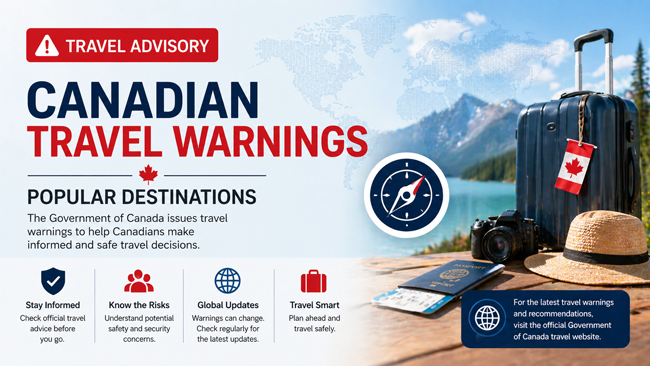
Understanding Canadian Travel Warnings: Your Essential Guide
Canada, a vast and diverse country, is a dream destination for many. From the majestic Rockies to the vibrant cities, its appeal is undeniable. However, like any travel, being informed is key to a safe and enjoyable experience. This guide dives into Canadian travel warnings for popular destinations, helping you navigate potential risks and make the most of your adventure. We’ll cover common concerns, essential safety tips, and what you need to know before you go.
Why Travel Warnings Matter
Travel warnings aren’t meant to scare you, but to empower you with knowledge. They highlight potential risks, ranging from natural disasters and health concerns to local laws and security issues. Understanding these warnings allows you to prepare adequately, adjust your itinerary if necessary, and travel with greater peace of mind. For Canada, while generally a safe country, specific regions or situations might warrant attention.
Popular Canadian Destinations and Their Specific Considerations
Canada boasts an array of world-renowned destinations, each with its unique charm and potential considerations.
Banff National Park: Nature’s Majesty and Its Challenges
Banff National Park, a jewel in the Canadian Rockies, attracts millions with its stunning turquoise lakes, towering peaks, and abundant wildlife. While breathtaking, its wilderness setting comes with inherent risks.
- Wildlife Encounters: Encounters with bears (grizzly and black), cougars, and elk are possible. Always maintain a safe distance, never feed wildlife, and carry bear spray when hiking. Understand bear safety protocols, especially during warmer months when bears are more active.
- Weather Volatility: Mountain weather can change rapidly. Be prepared for sudden snow, rain, and temperature drops, even in summer. Layered clothing is essential.
- Trail Safety: Stick to marked trails. Inform someone of your hiking plans and expected return time. Be aware of avalanche risks in winter and spring.
- Crowd Management: During peak season (summer), popular spots like Lake Louise and Moraine Lake can be extremely crowded. Consider visiting during shoulder seasons or opting for less-visited trails.
Vancouver, British Columbia: Urban Life and Coastal Nuances
Vancouver, a cosmopolitan city nestled between mountains and the Pacific Ocean, offers a vibrant urban experience. While generally safe, its coastal location and urban environment present specific points to consider.
- Petty Crime: Like any major city, petty theft (pickpocketing, car break-ins) can occur, especially in tourist-heavy areas. Keep valuables secure and be aware of your surroundings.
- Weather: Vancouver is known for its rain, particularly from fall to spring. Pack waterproof gear.
- Outdoor Activities: The surrounding wilderness offers hiking and water sports. Be mindful of tidal changes, currents, and weather conditions when enjoying coastal activities.
- Indigenous Awareness: Respect for the traditional territories of Indigenous peoples is paramount. Learn about local First Nations cultures and history.
Toronto, Ontario: Big City Buzz and Cultural Etiquette
Toronto, Canada’s largest city and a global hub, is a melting pot of cultures. Its size and diversity mean a few urban-specific considerations.
- Public Transportation Safety: Toronto’s public transit (TTC) is generally safe, but exercise standard urban precautions, especially late at night.
- Scams: Be aware of common tourist scams that might target visitors.
- Tipping Culture: Tipping is customary in restaurants, bars, and for services. A 15-20% tip is standard for good service.
- Seasonal Extremes: Summers can be hot and humid, while winters are cold with snow. Pack accordingly.
Montreal, Quebec: Bilingual Charm and Cultural Etiquette
Montreal, a city steeped in history and European charm, offers a unique bilingual experience.
- Language: While widely English-speaking in tourist areas, knowing a few basic French phrases is appreciated.
- Winter Conditions: Montreal experiences significant snowfall and cold temperatures in winter. Be prepared for icy sidewalks and dress warmly.
- Festivals and Events: The city hosts numerous festivals, which can mean crowds and temporary road closures. Check event schedules.
Canadian Maritimes (Nova Scotia, Prince Edward Island, New Brunswick): Coastal Beauty and Seasonal Impacts
The Canadian Maritimes offer picturesque coastlines, charming fishing villages, and a slower pace of life.
- Weather: Coastal weather can be unpredictable, with fog being common, especially on the Atlantic coast. Ferry services can be affected by storms.
- Seasonal Operations: Many tourist attractions and accommodations operate seasonally, typically from May/June to October. Plan accordingly, especially for off-season travel.
- Wildlife: While less prevalent than in the Rockies, marine wildlife (whales, seals) can be spotted. Follow guidelines for whale watching tours.
- Road Conditions: Rural roads can be narrow and winding. Be cautious of wildlife on roads, especially at dawn and dusk.
General Safety Tips for Traveling in Canada
Beyond destination-specific advice, several general tips apply across Canada:
Health and Medical Preparedness
- Travel Insurance: This is crucial. Ensure your insurance covers medical emergencies, trip cancellations, and lost luggage. Healthcare costs in Canada can be high for visitors.
- Prescription Medications: Carry sufficient prescription medications for your trip, along with a copy of your prescription.
- COVID-19 and Other Health Advisories: Stay updated on any public health advisories or requirements. While most restrictions have been lifted, it’s always wise to be informed. Check the official Government of Canada website for the latest information.
Legal and Cultural Considerations
- Respect Local Laws: Canada has strict laws regarding alcohol consumption (legal drinking age is 19 in most provinces, 18 in Alberta), cannabis (legal for recreational use, but with strict regulations on possession and consumption), and impaired driving.
- Customs and Border Services: Be aware of what you can and cannot bring into Canada. Declare all goods. Visit the Canada Border Services Agency (CBSA) website for detailed information.
- Emergency Services: In case of an emergency, dial 911. This number connects you to police, fire, and ambulance services across Canada.
Transportation Safety
- Driving: If driving, be aware of different speed limits and road rules in each province. Winter tires are often mandatory during winter months in certain regions. Check road conditions before traveling, especially in winter.
- Public Transit: Utilize public transport in cities. Familiarize yourself with routes and schedules.
- Intercity Travel: For long distances, consider trains (VIA Rail) or buses. Flights are also readily available.
Natural Disaster Preparedness
Canada is prone to certain natural disasters depending on the region:
- Wildfires: Particularly prevalent during dry summer months in Western Canada. Be aware of air quality advisories and potential evacuation orders.
- Earthquakes: British Columbia is in an active seismic zone. While major earthquakes are infrequent, be prepared by knowing earthquake safety procedures (drop, cover, hold on).
- Flooding: Can occur in various regions, especially during spring melt or heavy rainfall. Stay informed about local advisories.
Staying Informed: Reliable Resources
It’s essential to consult official sources for the most up-to-date travel information:
- Government of Canada Travel Advice and Advisories: This is the primary source for official travel warnings, health, safety, and entry requirements for Canada.