![[정품]근조화환](https://haimnews.com/wp-content/themes/funeral-manager-admin/img/logo.png?ver=1788704871)
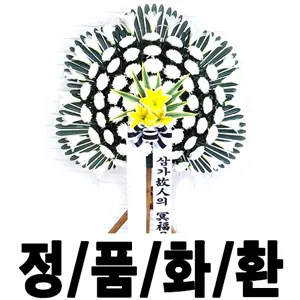
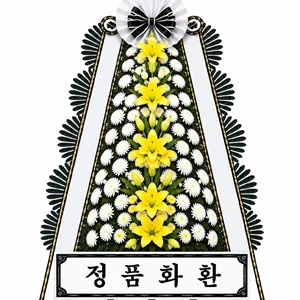
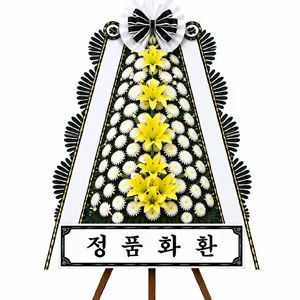
안성 동인병원장례식장 근조화환, 왜 정품 꽃집 선택이 중요할까요?
사랑하는 사람을 떠나보내는 슬픈 소식을 접했을 때, 가장 먼저 드는 생각은 어떻게 위로의 마음을 전할까 하는 고민일 것입니다. 직접 찾아뵙는 것이 도리이지만, 불가피한 사정으로 참석하지 못할 때는 근조화환이 그 빈자리를 채워주곤 합니다. 안성 동인병원장례식장으로 화환을 보내실 계획이라면, 무엇보다 ‘정품 꽃’을 사용하는지 확인하는 것이 필수입니다.
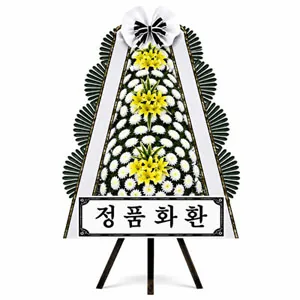
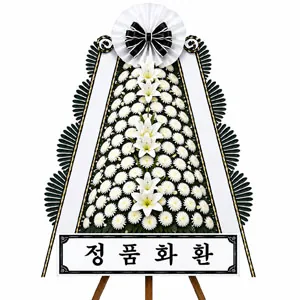
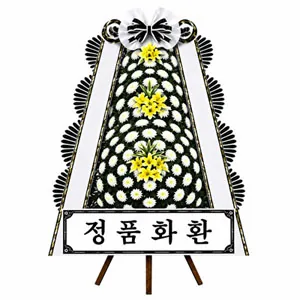
재사용 꽃을 사용하거나 품질이 낮은 꽃을 쓰면 유족에게 오히려 실례가 될 수 있습니다. 꽃의 생명력은 곧 보내는 사람의 정성입니다. 신선한 국화와 정갈한 장식으로 구성된 정품 화환은 그 자체로 고인에 대한 예우를 상징합니다.
정품 근조화환을 구별하는 눈
많은 분이 가격만 보고 업체를 선택하곤 합니다. 하지만 너무 저렴한 가격은 재사용 꽃을 쓸 확률이 높다는 신호일 수 있습니다. 정품 화환은 꽃잎이 빳빳하고 생기가 돌며, 전체적인 화형이 흐트러지지 않습니다. 저희는 당일 경매된 신선한 꽃만을 사용하여 제작하므로 안심하고 맡기실 수 있습니다.
배송 시간 엄수의 중요성
장례식장은 시간과의 싸움입니다. 조문객이 몰리는 시간대나 발인 직전에 화환이 도착하면 유족에게 큰 폐가 됩니다. 안성 지역 지리에 밝고 장례식장 내부 사정을 잘 아는 전문 배달점을 선택해야 하는 이유입니다.
안성 동인병원장례식장 배달, 실패 없는 주문 가이드
성공적인 조문을 위해 주문 시 몇 가지 체크리스트를 확인해 보세요. 복잡한 절차 없이 아래 내용을 확인하시면 됩니다.
주문 시 꼭 확인해야 할 3가지
첫째, 장례식장 정확한 명칭과 고인의 성함, 유족과의 관계를 확인하세요. 둘째, 문구 선택입니다. 일반적인 ‘삼가 故人의 冥福을 빕니다’ 외에도 종교에 따라 적절한 문구를 선택할 수 있습니다. 셋째, 배송 요청 시간입니다. 장례식장 입구와 빈소 번호를 정확히 알려주시면 더욱 신속한 처리가 가능합니다.
010-8477-8289 전문 상담 안내
복잡한 고민 없이 전문가와 상담하고 싶다면 언제든 연락해 주세요. 24시간 상담이 가능하며, 안성 동인병원장례식장의 특성에 맞춘 최적의 화환 구성을 추천해 드립니다.
근조화환 구매 시 흔히 하는 실수와 대처법
많은 분이 겪는 어려움 중 하나는 ‘너무 늦은 주문’입니다. 장례는 예고 없이 찾아오기에 당황하기 마련이지만, 화환 제작에는 최소 2~3시간의 시간이 필요합니다. 너무 촉박하게 주문하면 원하는 꽃 상태를 확보하기 어려울 수 있습니다.
가격보다 품질을 먼저 보세요
온라인상에는 저가형 화환이 넘쳐납니다. 하지만 화환은 단순한 물건이 아니라 마음을 담은 전달체입니다. 가격이 너무 저렴하다면 꽃의 양이 적거나 재사용 꽃을 쓸 가능성을 반드시 의심해봐야 합니다.
현장 사진 확인 서비스
저희는 배송 완료 후, 현장에 설치된 화환 사진을 직접 찍어 고객님께 전송해 드립니다. 직접 눈으로 확인하지 못하는 미안함을 조금이나마 덜어드리기 위한 배려입니다.
장례 문화와 근조화환의 예절
근조화환은 단순히 꽃을 보내는 행위를 넘어, 슬픔을 나누고 유족에게 힘이 되어준다는 사회적 약속입니다.
문구 작성 팁
가장 무난한 것은 ‘삼가 고인의 명복을 빕니다’입니다. 기독교인 경우 ‘하나님의 위로가 함께하시길 바랍니다’ 혹은 ‘천국에서 평안하시길 기도합니다’와 같은 문구를 사용하기도 합니다. 상황에 맞는 적절한 문구 선택은 유족에게 큰 위로가 됩니다.
결론: 정성으로 전하는 위로의 마음
안성 동인병원장례식장으로 보내는 근조화환, 이제 고민하지 마세요. 신선한 꽃, 정직한 가격, 그리고 정확한 배송을 약속합니다. 지금 바로 https://flwkorea.kr를 방문하시거나 010-8477-8289로 문의하시면 진심을 담은 화환을 정성껏 준비해 드리겠습니다. 슬픔을 함께 나누는 따뜻한 마음이 고인과 유족에게 잘 전달될 수 있도록 최선을 다하겠습니다.
(간편주문가능) 정품근조화환▼
https://flwkorea.kr