
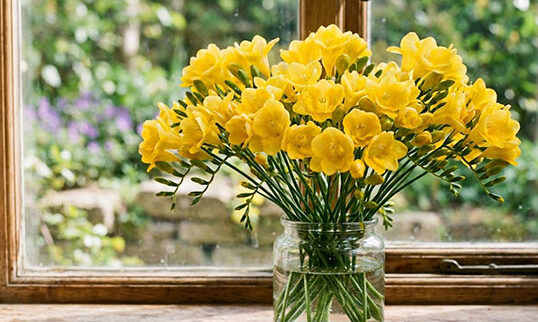
Few spring flowers are as charming and fragrant as the freesia. Known for its sweet citrus-like scent and elegant trumpet-shaped blooms, freesia has become a favorite among gardeners and flower enthusiasts around the world. Whether displayed in a vase or grown in a container on a sunny balcony, its colorful flowers can brighten any space while filling the air with a delightful fragrance.
I first became interested in growing freesias after receiving a bouquet in early spring. The scent was so pleasant that I found myself wanting to enjoy it beyond a few days in a vase. That curiosity eventually led me to learn more about the plant and discover that it is surprisingly rewarding to grow at home.
While freesias are often considered beginner-friendly, they do require some understanding of their natural growing conditions. Like many bulb plants, they thrive when their environment closely matches their native habitat. Once those conditions are met, they can reward growers with weeks of beautiful blooms and fragrance.
In this guide, I will cover the key characteristics of freesias, the best growing conditions, practical care tips, and common mistakes to avoid so that you can successfully grow healthy and vibrant freesias at home.
Why Freesias Are So Popular
Freesias belong to the iris family and originate from South Africa. They are grown from corms, which are underground storage structures similar to bulbs. Their popularity comes from a combination of visual beauty and fragrance, making them one of the most recognizable spring flowers.
The flowers grow along one side of a gently arching stem, creating an elegant display. Although yellow freesias are the most familiar variety, modern cultivars are available in a wide range of colors including white, pink, purple, red, orange, and even bi-colored combinations.
One of the most appealing qualities of freesias is their fragrance. Unlike some flowers that offer beauty without scent, freesias provide both. Their perfume is often described as fresh, sweet, and slightly citrusy, which explains why freesia fragrance is commonly used in perfumes and home products.
Another advantage is their relatively long flowering period. When properly cared for, freesias can bloom for several weeks, providing continuous color and fragrance throughout much of the spring season.
However, their stems can become tall and somewhat delicate. As the flowers develop, the stems may require support to prevent bending or falling over. This is especially common when plants are grown indoors where light levels may be lower than ideal.
Creating the Ideal Growing Environment
One of the biggest lessons I learned while growing freesias is that they perform best when their environment mimics their natural conditions. Because they originate from regions with cool growing seasons and dry summers, understanding their preferences can make a significant difference.
Light Requirements
Freesias love sunlight. Providing adequate light is one of the most important factors for successful growth.
Ideally, they should receive at least four to six hours of direct sunlight each day. A south-facing window, bright balcony, or sunny patio works well. When grown indoors without sufficient sunlight, freesias often become leggy, producing weak stems that struggle to support the flowers.
If natural light is limited, supplemental grow lights can help maintain healthy growth. The stronger and more consistent the light exposure, the sturdier the plants are likely to become.
Temperature Preferences
Unlike many houseplants that enjoy warmth, freesias prefer cooler temperatures.
Their ideal growing range is approximately 15–20°C (59–68°F) during the day. Cooler nighttime temperatures around 10°C (50°F) encourage stronger flower development and better blooming performance.
Excessive heat can shorten the flowering period and reduce overall plant vigor. This is why freesias often perform exceptionally well during spring when temperatures remain moderate.
When growing freesias indoors, avoid placing them directly next to heating vents or radiators, as excessive warmth can negatively affect both growth and flowering.
Soil and Drainage
If there is one thing freesia growers should never ignore, it is drainage.
Like many bulb and corm plants, freesias are highly susceptible to rot when exposed to constantly wet soil. Using a well-draining growing medium is essential.
A mixture containing standard potting soil combined with materials such as perlite, coarse sand, or pumice can significantly improve drainage. Containers should always have drainage holes to allow excess water to escape.
Adding a layer of coarse gravel or stones at the bottom of the container can further improve drainage and help prevent water accumulation around the corms.
Watering and Seasonal Care Tips
Understanding when and how to water freesias is often the difference between success and disappointment.
Planting the Corms
Freesia corms are typically planted during autumn, allowing them to establish roots before winter and bloom during spring.
When planting, place the pointed end upward and position the corm approximately 3–5 centimeters (1–2 inches) below the soil surface. Space multiple corms several centimeters apart to ensure proper air circulation and healthy root development.
Crowding plants too closely can increase the risk of disease and reduce flowering performance.
Watering During Growth
After planting, keep the soil lightly moist but never saturated. During the initial rooting stage, excessive watering is one of the most common mistakes gardeners make.
Once shoots begin to emerge and active growth starts, watering can become more regular. A useful guideline is to water thoroughly when the top layer of soil feels dry to the touch.
Allowing water to drain completely is important. Freesias dislike sitting in waterlogged soil, and prolonged moisture around the corms can lead to rot.
As flower buds begin forming, continue consistent watering while avoiding extreme fluctuations between drought and excessive moisture.
Caring for Flowers During Bloom
When the flowers begin opening, special care helps prolong their beauty.
Try to avoid wetting the blooms directly during watering. Excess moisture on petals may encourage fungal problems and shorten the lifespan of individual flowers.
Regularly removing faded blooms can also encourage the plant to direct energy toward remaining flowers and overall growth.
During the flowering period, many growers notice the fragrance becoming stronger during warmer parts of the day, making freesias a wonderful addition to living spaces, balconies, and garden patios.
Common Mistakes and How to Avoid Them
Many beginners assume that more water automatically means healthier plants. With freesias, the opposite is often true.
Overwatering
Overwatering is by far the most common cause of failure.
Corm rot develops quickly when soil remains consistently wet. If leaves begin yellowing prematurely or growth slows unexpectedly, excess moisture may be the culprit.
Always check soil moisture before watering rather than following a rigid schedule.
Poor Air Circulation
Indoor environments sometimes lack adequate airflow, creating conditions favorable for pests and diseases.
Opening windows periodically and providing sufficient spacing between plants can greatly improve air circulation.
Good airflow helps prevent fungal issues while reducing the likelihood of pest infestations.
Pests and Diseases
Freesias may occasionally attract aphids, spider mites, or thrips.
Regular inspection of leaves and flower stems allows early detection. If pests appear, prompt treatment with insecticidal soap or appropriate garden products can prevent larger infestations.
Healthy plants grown in proper conditions are generally more resistant to both pests and diseases.
What to Do After Flowering
Many gardeners mistakenly discard freesias once the flowers fade. In reality, post-bloom care is essential if you hope to grow them again.
After flowering ends, remove the spent flower stalks but leave the foliage intact.
The leaves continue performing photosynthesis, producing energy that is stored within the corm for the following growing season. Removing foliage too early prevents the corm from rebuilding its reserves.
Continue caring for the plant until the leaves naturally turn yellow and begin drying out. At that point, watering can gradually be reduced.
Once the foliage has completely died back, the corms can be lifted, cleaned, and stored in a cool, dry location until the next planting season.
This simple step greatly improves the chances of healthy blooms in future years.
Conclusion
Freesias are among the most rewarding flowering plants for home gardeners. Their combination of vibrant colors, elegant flowers, and unforgettable fragrance makes them a standout choice for both indoor and outdoor growing.
Success with freesias comes down to three key principles: providing excellent drainage, ensuring plenty of sunlight, and avoiding excessive watering. When these basic needs are met, freesias can thrive with relatively little effort.
For anyone looking to bring the beauty and fragrance of spring into their home, freesias are an excellent place to start. With proper care and a bit of patience, these charming flowers can transform a windowsill, balcony, or garden space into a colorful and fragrant retreat.