
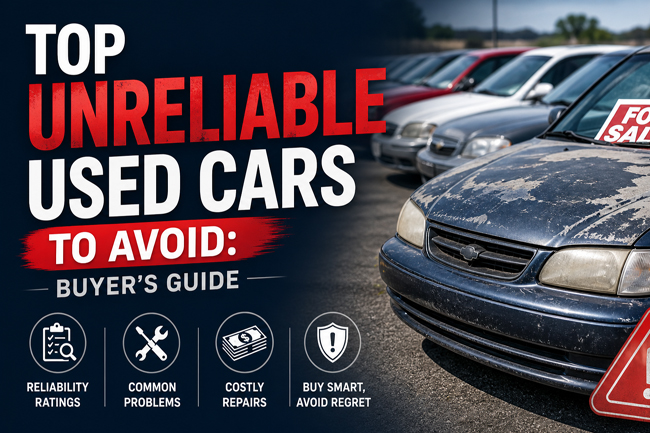
The Perils of Purchasing an Unreliable Used Car
Buying a used car is a significant financial decision for many. It offers a more affordable entry into vehicle ownership or the chance to upgrade to a model that might otherwise be out of reach. However, the allure of a lower price tag can sometimes mask underlying issues that lead to costly repairs and immense frustration down the line. Not all used cars are created equal, and some model years or specific makes and models have a reputation for being particularly unreliable.
Understanding which vehicles to steer clear of is crucial for any savvy used car shopper. This isn’t about demonizing entire brands, but rather identifying patterns of common, expensive problems that plague certain vehicles. By being aware of these “lemon” candidates, you can significantly increase your chances of finding a dependable vehicle that won’t drain your wallet or your patience.
This guide aims to equip you with the knowledge to avoid some of the most commonly cited unreliable used cars. We’ll delve into specific models and the reasons behind their poor reliability ratings, helping you make a more informed and confident purchase.
Unreliable Used Cars to Avoid: A Deep Dive
While individual car experiences can vary, certain models consistently appear on lists of unreliable vehicles due to recurring mechanical failures, expensive repair histories, and a generally lower owner satisfaction regarding dependability. Here are some of the most frequently mentioned offenders:
Sedans and Compact Cars
1. Chrysler Sebring/200 (Various Model Years)
The Chrysler Sebring, later rebranded as the Chrysler 200, has a long-standing reputation for poor build quality and a high incidence of mechanical issues. Common problems include:
- Transmission failures: Many owners report premature transmission failure, often requiring expensive replacement.
- Electrical glitches: From faulty power windows to infotainment system malfunctions, electrical gremlins are a frequent complaint.
- Engine problems: Overheating issues and oil leaks have also been reported, particularly in older models.
- Interior wear and tear: The materials used in the interior often don’t hold up well over time, leading to a worn-out appearance even in relatively low-mileage vehicles.
The cost of repairs for these issues can quickly negate any initial savings, making these models a risky purchase.
2. Dodge Caliber (Various Model Years)
The Dodge Caliber, while offering a spacious interior for its class, is often criticized for its unrefined driving experience and a concerning number of mechanical problems. Key concerns include:
- CVT transmission issues: The continuously variable transmission (CVT) in many Caliber models is known to be problematic and prone to failure.
- Engine noise and performance: Many owners report excessive engine noise, rattling, and a general lack of power.
- Suspension and steering problems: Issues with the suspension and steering components can lead to a rough ride and potentially unsafe handling.
- Build quality: The overall fit and finish of the Caliber often feel subpar, contributing to squeaks, rattles, and a feeling of cheapness.
3. Volkswagen Jetta (Early 2000s Models)
While Volkswagens can be excellent cars, certain model years of the Jetta, particularly those from the early to mid-2000s, have a reputation for being less reliable than their German counterparts might suggest. Common issues include:
- Electrical problems: Similar to the Sebring, electrical gremlins are a common complaint, affecting everything from dashboard lights to engine sensors.
- Cooling system failures: Leaks and failures in the cooling system can lead to overheating and significant engine damage.
- Automatic transmission issues: Some automatic transmissions have been known to fail prematurely.
- Oil consumption: Certain engine configurations are known to consume oil at an accelerated rate, requiring frequent top-offs.
SUVs and Crossovers
1. Jeep Compass/Patriot (Various Model Years)
These sibling SUVs were designed to be budget-friendly but often come with a budget-level reliability. Common problems include:
- CVT transmission failures: Like the Dodge Caliber, the CVT in these Jeeps has a high failure rate.
- Engine issues: Overheating, oil leaks, and strange noises are frequently reported.
- Brake problems: Premature wear and performance issues with the braking system are not uncommon.
- Rust and corrosion: Especially in areas with harsh winters, these models can be susceptible to significant rust.
- Interior quality: The interior materials and design often feel cheap and don’t hold up well to daily use.
2. Ford Escape (Early 2010s Models, particularly with EcoBoost engines)
While Ford has made strides in reliability, some early EcoBoost engine models of the Escape have experienced significant issues:
- Engine coolant leaks: A particularly concerning issue is coolant leaking into the engine cylinders, leading to costly repairs and potential engine failure. This often occurs around the cylinder head.
- Turbocharger problems: The turbochargers can be prone to failure, leading to a loss of power and reduced performance.
- Transmission issues: Some owners have reported transmission shuddering and premature failure.
- Electrical malfunctions: Various electrical components can fail, leading to dashboard warning lights and system malfunctions.
3. Land Rover Discovery (Various Model Years)
Luxury brands can sometimes come with luxury repair bills, and older Land Rover Discoveries are a prime example. While capable off-road, their complexity and frequent electronic and mechanical failures make them a gamble. Common issues include:
- Air suspension failures: The sophisticated air suspension system is prone to leaks and costly repairs.
- Electrical system faults: From infotainment to engine management, electrical gremlins are a hallmark of many older Land Rovers.
- Engine and transmission problems: While powerful, these components can be expensive to repair when they fail.
- High maintenance costs: Even routine maintenance on a Land Rover is significantly more expensive than on mainstream vehicles.
Trucks
1. Dodge Ram (Older models with automatic transmissions)
While generally robust, some older Dodge Ram trucks, particularly those with certain automatic transmission models (like the 45RFE/545RFE), have experienced transmission issues, especially if not properly maintained or if used for heavy towing without adequate cooling.
- Transmission overheating: Without auxiliary cooling, heavy use can lead to transmission overheating and failure.
- Torque converter problems: Issues with the torque converter can lead to shuddering and poor performance.
It’s worth noting that many Ram trucks, especially those with manual transmissions or well-maintained automatics, can be very reliable. The key is to research specific transmission types and maintenance history.
Common Warning Signs of an Unreliable Used Car
Beyond specific models, several general warning signs can indicate a used car might be unreliable:
- Check Engine Light: Never ignore a “Check Engine” light. It signifies a problem that needs immediate diagnosis. The cost to fix what’s causing it can be substantial.
- Strange Noises: Clunking, grinding, whining, or persistent rattling sounds from the engine, transmission, or suspension are red flags.
- Fluid Leaks: Puddles of oil, coolant, transmission fluid, or brake fluid under the car are serious indicators of underlying problems.
- Poor Shifting: Hesitation, jerking, or slipping when the transmission shifts gears suggests potential transmission issues.
- Excessive Smoke: Blue smoke from the exhaust indicates oil burning, while white smoke can mean coolant is leaking into the combustion chamber. Both are serious.
- Rust: Significant rust on the frame, body panels, or suspension components can compromise structural integrity and lead to expensive repairs.
- Tire Wear: Uneven tire wear can indicate alignment or suspension problems.
- Electrical Malfunctions: Lights flickering, power windows not working, or dashboard indicators behaving erratically point to electrical system issues.
The Importance of Pre-Purchase Inspections (PPI)
No matter how appealing a used car looks or how good its reported history is, a Pre-Purchase Inspection (PPI) by an independent, trusted mechanic is non-negotiable. A PPI can reveal hidden problems that you or a seller might miss.
What a PPI typically includes:
- Thorough mechanical check: Engine, transmission, brakes, suspension, exhaust system.
- Diagnostic scan: Checking the car’s computer for fault codes.
- Fluid checks: Examining the condition and level of all essential fluids.
- Visual inspection: Looking for rust, leaks, damage, and signs of accidents.
- Test drive: Evaluating the car’s performance and listening for unusual noises.
The cost of a PPI (usually $100-$200) is a small price to pay compared to the thousands of dollars you could save by avoiding a lemon. If a seller refuses a PPI, consider it a major red flag and walk away.
Making an Informed Decision: Beyond the Model
While knowing which models to avoid is vital, several other factors contribute to a used car’s reliability:
- Maintenance History: A car with a consistent, documented maintenance history is generally a safer bet than one with no records. Look for regular oil changes, fluid flushes, and timely replacement of wear items.
- Mileage: While high mileage isn’t always a deal-breaker, it increases the likelihood of wear and tear on components. Consider the vehicle’s age relative to its mileage.
- Previous Use: Was the car used for heavy towing, off-roading, or daily city driving? This can impact wear. A car used for leisurely weekend drives will likely be in better condition than one used as a workhorse.
- Accident History: A clean title and a vehicle history report (like CarFax or AutoCheck) showing no major accidents are preferable. Minor fender-benders might be acceptable if properly repaired, but major structural damage is a significant concern.
- Owner Reviews and Reliability Ratings: Consult reputable sources like Consumer Reports, J.D. Power, and owner forums for reliability data on specific makes, models, and even model years.
Conclusion: Buy Smart, Drive Happy
Purchasing a used car can be an excellent financial move, but it requires diligence and informed decision-making. By being aware of specific models that have a history of unreliability, understanding common warning signs, and always opting for a professional pre-purchase inspection, you can significantly mitigate the risks.
Key takeaways for avoiding unreliable used cars:
- Research specific models: Use resources like Consumer Reports to identify cars with consistently poor reliability ratings.
- Prioritize a Pre-Purchase Inspection (PPI): Never skip this step. An independent mechanic is your best ally.
- Scrutinize maintenance records: A well-maintained car is far less likely to surprise you with costly repairs.
By following these guidelines, you’ll be well on your way to finding a dependable used car that serves you well for years to come, without the constant worry of breakdowns and expensive repairs.