Air travel has become one of the most common ways for people to connect with family, explore new destinations, and participate in important cultural and religious celebrations. During major holiday periods, airports around the world often experience a significant increase in passenger traffic. These busy travel seasons create unique challenges for travelers, airlines, and airport operators alike.
Understanding why airports become crowded during holiday periods and learning how modern air travel systems respond to increased demand can help travelers better appreciate the complexity of the aviation industry.
Why Holiday Travel Creates Increased Demand
Throughout the year, there are several periods when travel demand rises dramatically. These periods often coincide with school breaks, national holidays, religious celebrations, and seasonal vacations.
During these times, millions of people may choose to travel within a relatively short period. Families reunite, tourists visit popular destinations, and business travelers adjust their schedules around public holidays.
This concentration of travelers creates temporary spikes in demand that affect airports, airlines, hotels, transportation systems, and tourism infrastructure.
The aviation industry spends considerable time preparing for these seasonal increases to ensure safe and efficient operations.
How Airlines Prepare for Peak Travel Seasons
Airlines operate complex networks that require careful planning months in advance.
When a major holiday period approaches, airlines often analyze historical travel patterns and forecast passenger demand. These forecasts help determine flight schedules, staffing requirements, and operational planning.
Preparations may include:
- Adding additional flights
- Increasing staffing levels
- Adjusting airport operations
- Expanding customer service resources
- Coordinating with airport authorities
Because aviation is highly regulated, these adjustments require extensive coordination among multiple organizations.
The ability to manage large numbers of passengers safely is one of the most important responsibilities within the airline industry.
Airport Operations During Busy Periods
Airports function as transportation hubs that connect people from around the world.
During peak travel periods, airport operations become significantly more complex. Increased passenger numbers affect nearly every aspect of airport management.
Areas that experience greater demand include:
- Check-in counters
- Security screening checkpoints
- Immigration facilities
- Boarding gates
- Baggage handling systems
- Ground transportation services
To maintain efficiency, airports often implement additional staffing and operational measures.
Technology also plays an increasingly important role in managing passenger flow and reducing congestion.
The Role of Technology in Modern Air Travel
Technology has transformed the travel experience over the past two decades.
Many processes that once required face-to-face interaction can now be completed digitally. Examples include:
- Online check-in
- Mobile boarding passes
- Digital baggage tracking
- Flight status notifications
- Self-service kiosks
These innovations help reduce waiting times while improving operational efficiency.
For travelers, digital tools provide greater convenience and allow easier access to important travel information.
As technology continues to evolve, airports and airlines are expected to introduce even more automated systems that improve the passenger experience.
Why Early Arrival Remains Important
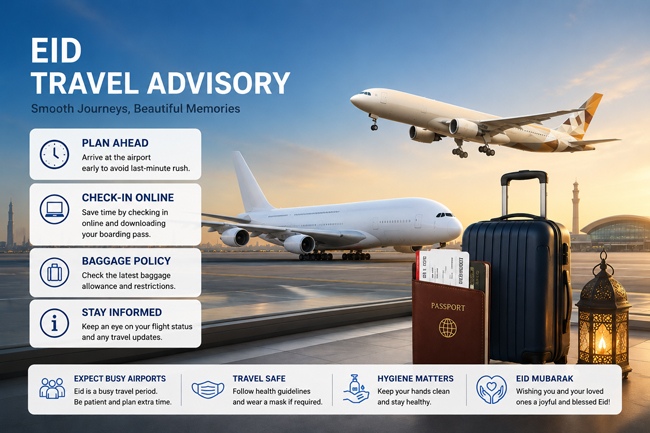
One of the most common recommendations during busy travel periods is arriving at the airport early.
This advice reflects the reality that airports must process large numbers of passengers through multiple stages before departure.
Travelers typically complete several procedures before boarding:
- Check-in
- Baggage drop-off
- Security screening
- Immigration processing
- Boarding procedures
Each stage requires time, and delays in one area can affect the entire travel process.
Arriving early provides additional flexibility and reduces stress associated with unexpected delays.
Understanding Airport Security
Airport security plays a vital role in global aviation safety.
Security procedures are designed to protect passengers, crew members, and airport facilities. Although screening processes may sometimes seem time-consuming, they represent one of the most important aspects of modern air travel.
Security measures typically include:
- Passenger screening
- Baggage inspection
- Identity verification
- Prohibited item detection
Advances in screening technology have improved both safety and efficiency, helping airports process larger numbers of passengers while maintaining strict security standards.
Managing Passenger Expectations
Travel can be exciting, but it can also involve unexpected challenges.
Weather conditions, air traffic congestion, technical issues, and operational adjustments occasionally affect flight schedules.
Understanding that air travel depends on many interconnected systems can help travelers maintain realistic expectations.
Most airlines prioritize safety above all other considerations. As a result, delays are sometimes necessary to ensure safe operations.
Patience and flexibility often contribute significantly to a more positive travel experience.
The Importance of Travel Preparation
Successful travel often begins long before arriving at the airport.
Preparation may include:
- Confirming travel documents
- Reviewing baggage requirements
- Checking destination regulations
- Monitoring flight information
- Planning transportation arrangements
Well-prepared travelers generally experience fewer complications and can respond more effectively when unexpected situations arise.
Travel planning also helps reduce stress and allows more time to enjoy the journey itself.
How Air Travel Connects Communities
Air transportation plays an important role in connecting people across countries and continents.
Holiday travel demonstrates the social importance of aviation. Millions of individuals rely on airlines each year to reunite with family members, participate in cultural traditions, and strengthen personal relationships.
Beyond tourism, air travel supports:
- International business
- Cultural exchange
- Education
- Humanitarian activities
- Economic development
The aviation industry has become an essential component of modern society and global connectivity.
The Future of Passenger Travel
The future of air travel will likely be shaped by technology, sustainability, and changing passenger expectations.
Industry trends include:
- Automated passenger processing
- Biometric identification systems
- Sustainable aviation initiatives
- Improved airport infrastructure
- Enhanced digital travel services
These developments aim to create safer, more efficient, and more convenient travel experiences.
As passenger demand continues to grow worldwide, innovation will play a crucial role in maintaining reliable transportation networks.
Conclusion
Peak holiday travel periods highlight the complexity and importance of modern aviation systems. Airports and airlines work together to manage increased passenger demand while maintaining safety, efficiency, and customer service standards.
Understanding how these systems operate helps travelers better appreciate the planning and coordination required to support millions of journeys every year.
Whether traveling for family gatherings, cultural celebrations, business purposes, or leisure activities, preparation remains one of the most valuable tools for a successful journey. As technology and infrastructure continue to evolve, air travel will remain an essential part of connecting people and communities across the globe.