
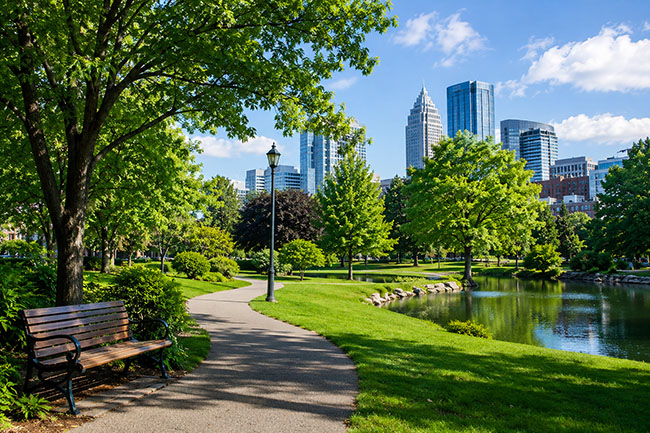
Public parks have long played an important role in cities and communities around the world. As urban populations continue to grow and modern lifestyles become increasingly fast-paced, access to green spaces has become more valuable than ever. Public parks provide places where people can relax, exercise, socialize, and connect with nature while living in increasingly developed environments.
Beyond their recreational value, public parks contribute to public health, environmental sustainability, and community well-being. They serve as shared spaces that bring people together and help improve quality of life for residents of all ages.
Understanding the importance of public parks helps explain why these spaces remain essential components of modern communities.
What Are Public Parks?
Public parks are open spaces designed for recreation, relaxation, and community use.
They may include:
- Walking paths
- Gardens
- Sports facilities
- Playgrounds
- Picnic areas
- Open green spaces
Public parks are typically accessible to residents and visitors alike.
These spaces provide opportunities for outdoor activities while supporting social interaction and environmental preservation.
Many cities consider public parks an important part of urban planning and community development.
Why Green Spaces Matter
Modern cities often contain large amounts of infrastructure, buildings, and transportation networks.
Green spaces help balance urban development by providing natural environments within populated areas.
Benefits may include:
- Improved visual appeal
- Opportunities for recreation
- Environmental benefits
- Community gathering spaces
Access to nature can positively influence daily life and contribute to healthier living environments.
Green spaces remain important for creating balanced and livable cities.
Supporting Physical Health
Public parks encourage physical activity.
People frequently use parks for:
- Walking
- Running
- Cycling
- Sports
- Outdoor fitness activities
Regular physical activity contributes to overall health and wellness.
Parks provide accessible environments where individuals can engage in exercise without requiring specialized facilities.
Many communities view parks as valuable resources for promoting active lifestyles.
Outdoor recreation remains an important component of public health initiatives.
Mental Well-Being and Relaxation
Natural environments often provide opportunities for relaxation and stress reduction.
Public parks offer spaces where people can:
- Take breaks from busy schedules
- Enjoy outdoor scenery
- Spend time with family and friends
- Participate in leisure activities
Many individuals appreciate the sense of calm associated with green spaces.
As urban life becomes increasingly connected to technology, opportunities to spend time outdoors remain valuable.
Parks contribute to a more balanced and enjoyable living environment.
Building Stronger Communities
Public parks often serve as gathering places for local residents.
Community activities may include:
- Festivals
- Outdoor events
- Sports programs
- Family gatherings
- Cultural celebrations
Shared spaces help encourage interaction among community members.
These interactions can strengthen social connections and support a sense of belonging.
Parks contribute to community identity while providing opportunities for engagement and participation.
Environmental Benefits
Public parks support environmental sustainability in several ways.
Green spaces can help:
- Improve air quality
- Support biodiversity
- Reduce urban heat
- Manage stormwater
Trees and vegetation contribute to healthier urban ecosystems.
Environmental benefits extend beyond individual park boundaries and can positively influence surrounding neighborhoods.
As sustainability becomes increasingly important, public parks play a valuable role in urban environmental strategies.
Parks and Children
Children benefit significantly from access to outdoor spaces.
Parks provide opportunities for:
- Physical activity
- Creative play
- Social interaction
- Exploration
Outdoor environments support learning and development in ways that complement indoor activities.
Many families view parks as important community resources that contribute to children’s well-being.
Safe and accessible play spaces remain an important feature of family-friendly communities.
Accessibility and Inclusion
Modern parks are often designed to serve diverse populations.
Accessibility considerations may include:
- Walking paths
- Seating areas
- Inclusive playgrounds
- Accessible facilities
Inclusive design helps ensure that community spaces can be enjoyed by a wide range of individuals.
Accessibility supports greater participation and contributes to more welcoming public environments.
Community spaces are most effective when they serve people of all ages and abilities.
Public Parks and Urban Planning
Urban planners frequently incorporate parks into long-term development strategies.
Benefits include:
- Improved quality of life
- Enhanced neighborhood appeal
- Environmental sustainability
- Community engagement
Well-designed parks contribute to more balanced urban environments.
As cities grow, preserving access to green spaces remains an important planning objective.
Public parks help create healthier and more attractive communities.
Technology and Modern Parks
Technology is increasingly influencing how parks are managed and maintained.
Examples include:
- Smart irrigation systems
- Environmental monitoring
- Digital visitor information
- Energy-efficient lighting
These technologies help improve efficiency while supporting sustainability goals.
Innovation continues enhancing the operation of public spaces.
Modern management approaches help ensure that parks remain valuable community assets.
The Future of Public Parks
Several trends are expected to influence the future of public parks.
These include:
- Sustainable landscaping
- Smart infrastructure
- Expanded recreational opportunities
- Community-focused design
As urban populations continue growing, demand for high-quality public spaces is likely to increase.
Parks will remain important environments for recreation, relaxation, and community engagement.
Investment in public spaces continues supporting long-term community development.
Why Public Parks Matter
Public parks provide benefits that extend beyond recreation.
They support:
- Health and wellness
- Environmental sustainability
- Community connections
- Urban livability
- Quality of life
These contributions help explain why parks remain valued across diverse communities around the world.
Their importance continues growing as cities become more populated and technologically connected.
Conclusion
Public parks are essential components of modern communities. By providing opportunities for recreation, relaxation, environmental stewardship, and social interaction, parks contribute significantly to quality of life and community well-being.
As cities continue evolving, public parks will remain important spaces that help balance urban development with access to nature and shared community experiences. Their continued preservation and improvement will play a valuable role in creating healthier, more connected, and more sustainable communities for future generations.


