![[정품]근조화환](https://haimnews.com/wp-content/themes/funeral-manager-admin/img/logo.png?ver=1791597792)
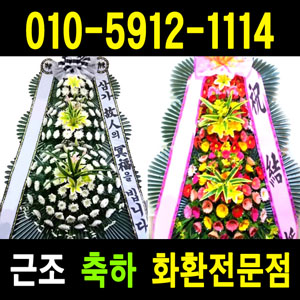
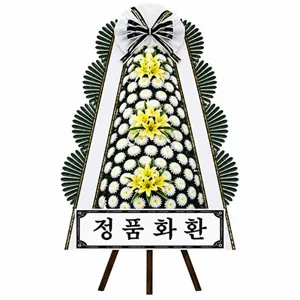

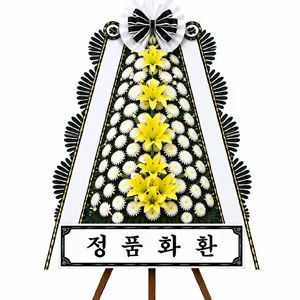
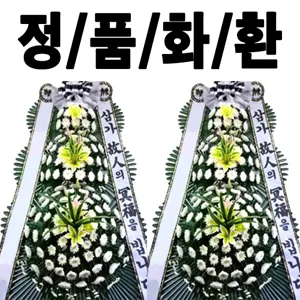
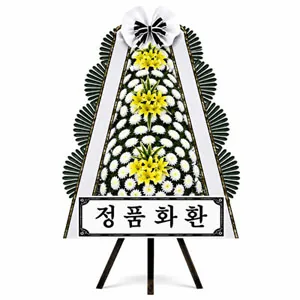
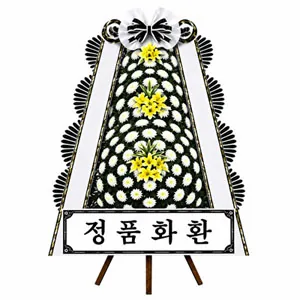
영광 법성장례식장 근조화환 선택의 중요성
장례식은 고인의 마지막 길을 배웅하는 엄숙하고 중요한 자리입니다. 이러한 자리에서 전달되는 근조화환은 단순히 꽃을 보내는 행위를 넘어, 고인에 대한 마지막 예우와 유족을 향한 깊은 위로의 마음을 담고 있습니다. 하지만 바쁜 일상 속에서 직접 화환을 고르기란 쉽지 않으며, 특히 지역 장례식장의 특성을 잘 파악하고 있는 업체를 선정하는 것이 매우 중요합니다.
영광 법성장례식장의 위치와 분위기에 어울리는 적절한 크기와 품질의 화환을 선택하는 것은 유족에게 큰 힘이 됩니다. 정품 꽃집을 선택해야 하는 이유는 명확합니다. 재사용 꽃을 사용하지 않고 신선한 꽃으로만 제작하여 격조를 높여야 하기 때문입니다.
정품 근조화환 전문점의 선정 기준
근조화환 주문 시 가장 먼저 확인해야 할 것은 업체의 신뢰도입니다. 단순히 가격이 저렴하다고 해서 선택하기보다는, 다음과 같은 기준을 반드시 검토해야 합니다.
신선한 꽃의 품질 보증
근조화환은 국화가 중심이 됩니다. 국화는 온도와 습도에 민감하기 때문에 제작 후 배송 과정까지 신선도를 유지하는 것이 기술입니다. 재사용 꽃을 사용하는 비양심적인 업체는 꽃잎 끝이 갈색으로 변해 있거나 시든 느낌을 줍니다. 정품 전문점은 매일 아침 공수된 신선한 꽃만을 사용하여 당일 제작을 원칙으로 합니다.
정확한 배송 시간 준수
장례식장은 시간에 매우 민감한 장소입니다. 발인 시간이나 조문객이 많이 몰리는 시간을 고려하여 정확한 시간에 화환이 도착해야 합니다. 영광 지역의 지리를 잘 알고 법성장례식장으로의 빠른 배달 경로를 확보하고 있는 전문 업체를 선택하는 것이 좋습니다.
투명한 가격과 합리적인 서비스
가격은 품질과 직결됩니다. 너무 저렴한 가격은 저품질 꽃이나 재사용 꽃을 의심해 봐야 합니다. 정품 꽃집은 꽃의 풍성함과 리본 문구의 정확성, 그리고 배송 완료 사진 전송까지 투명한 서비스를 제공합니다.
주문 시 주의사항 및 프로세스
화환 주문을 진행할 때 실수하지 않기 위해 다음 단계를 확인하시기 바랍니다.
- 정확한 장례식장 명칭과 빈소 확인: 영광 법성장례식장인지, 혹시 다른 곳인지 다시 한번 확인해야 합니다.
- 고인과 유족의 성함 기재: 리본에 들어갈 문구는 정중해야 합니다. 보통 ‘삼가 故(고인의 성함) 님의 명복을 빕니다’ 혹은 ‘삼가 고인의 명복을 빕니다’와 같은 정석 문구를 사용합니다.
- 배송 시간 지정: 조문하기 전에 화환이 먼저 도착하도록 시간을 설정하는 것이 좋습니다.
- 배송 완료 확인: 전문점은 배송 완료 후 실제 설치된 화환 사진을 보내드립니다. 이를 통해 직접 확인하지 못하는 아쉬움을 달랠 수 있습니다.
전문점 이용의 장점과 상담 채널
전문 업체를 통하면 복잡한 절차 없이 전화 한 통으로 신속한 처리가 가능합니다. 화환전문점(https://haimlove.kr)와 같은 전문 플랫폼을 이용하면 영광 법성장례식장 근조화환 배달을 체계적으로 진행할 수 있습니다. 010-5912-1114 번호를 통해 상담하면 현재 가장 좋은 품질의 꽃 구성과 배송 가능 시간을 즉시 안내받을 수 있습니다.
특히 긴급한 상황일수록 검증된 업체를 통해 실수를 줄이는 것이 중요합니다. 전문가는 화환의 형태(3단, 4단, 오브제 등)에 따라 적절한 조언을 제공하며, 유족에게 결례가 되지 않도록 문구 검수까지 꼼꼼하게 도와드립니다.
결론: 정중하고 따뜻한 위로의 전달
영광 법성장례식장에 근조화환을 보낸다는 것은 당신의 진심을 보여주는 행동입니다. 품질 좋은 꽃, 정성스러운 제작, 그리고 약속된 시간의 배달은 그 진심을 완성하는 요소입니다. 가격 비교보다는 품질과 신뢰를 우선순위에 두고, 전문 업체의 도움을 받아 고인에게는 평안을, 유족에게는 위로를 전하시기 바랍니다. 지금 바로 신뢰할 수 있는 업체를 통해 상담을 시작해 보세요.