
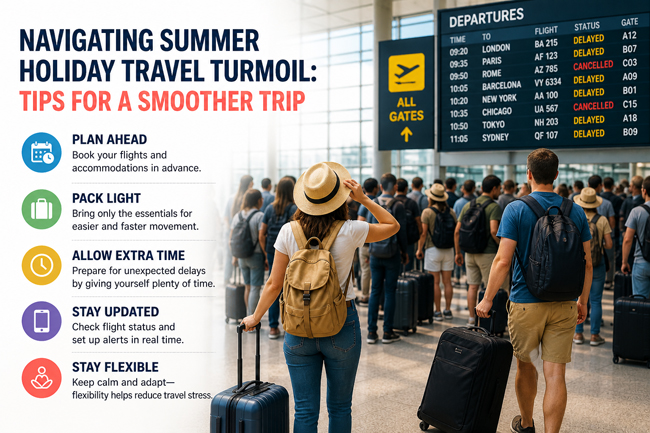
The Inevitable Summer Holiday Travel Turmoil
Summer holidays. The very phrase conjures images of sun-drenched beaches, bustling city explorations, and much-needed relaxation. However, for many, the reality of summer travel is less idyllic and more akin to a chaotic scramble. From overcrowded airports and delayed flights to booking mishaps and unexpected surcharges, the path to vacation bliss is often paved with what we can call “summer holiday travel turmoil.”
This turmoil isn’t just an inconvenience; it can significantly dampen the excitement and joy of a much-anticipated break. The stress of navigating these challenges can start long before you even reach your destination, impacting your mood and overall vacation experience. But what causes this widespread travel chaos, and more importantly, how can you effectively navigate it to ensure your summer holiday remains a positive one?
This guide is designed to equip you with the knowledge and strategies to anticipate, prepare for, and overcome the common hurdles of summer travel. We’ll delve into the reasons behind the chaos and provide practical, actionable advice to make your journey smoother, less stressful, and ultimately, more enjoyable.
Why Does Summer Travel Get So Chaotic?
Understanding the root causes of summer travel turmoil can be the first step in mitigating its effects. Several factors converge during the summer months to create a perfect storm for travel disruptions:
-
Peak Season Demand: Summer, particularly the period between June and August, is the most popular time for vacations globally. This surge in demand places immense pressure on airlines, hotels, transportation networks, and tourist attractions. More people traveling means more competition for resources, leading to higher prices and increased likelihood of delays and cancellations.
-
School Holidays: With children out of school, families often plan their extended vacations during this period. This demographic contributes significantly to the peak season demand, especially for family-friendly destinations.
-
Weather-Related Disruptions: While summer is generally associated with good weather, it’s also the season for potential extreme weather events like heatwaves, thunderstorms, and even hurricanes in some regions. These can cause flight cancellations, ground stops, and road closures, leading to widespread delays.
-
Staffing Shortages: The travel industry, like many others, has faced staffing challenges in recent years. Reduced staff numbers at airports, airlines, and service providers can lead to longer queues, slower processing times, and a reduced capacity to handle unexpected surges in demand or disruptions.
-
Infrastructure Limitations: Many airports and transportation hubs were not designed to handle the current volume of travelers, especially during peak periods. This can result in bottlenecks, extended wait times, and a general feeling of being overwhelmed.
-
Increased Air Traffic: More flights mean more planes in the sky, leading to increased congestion in air traffic control systems. This can result in holding patterns for aircraft, adding to flight delays.
-
Global Events and Unexpected Issues: Geopolitical events, economic fluctuations, or even localized incidents can unexpectedly impact travel routes and availability, adding another layer of complexity to summer travel planning.
Acknowledging these factors isn’t about succumbing to the chaos, but rather about approaching your summer travel with a realistic mindset and a proactive strategy.
Pre-Trip Preparation: Your First Line of Defense
The most effective way to combat summer holiday travel turmoil is through meticulous pre-trip planning. This phase is crucial for setting yourself up for a smoother experience.
Booking Wisely: Timing and Flexibility
-
Book Early: This is perhaps the most critical piece of advice. For summer travel, booking flights and accommodation six to twelve months in advance can often secure better prices and more desirable options. Last-minute bookings during peak season are almost guaranteed to be expensive and limited.
-
Be Flexible with Dates and Times: If your schedule allows, consider traveling mid-week (Tuesday or Wednesday) rather than on weekends. Early morning or late-night flights are often less crowded and cheaper. Traveling just before or after the absolute peak weeks can also make a significant difference.
-
Consider Alternative Airports: If your primary destination airport is notoriously busy or prone to delays, check for flights into or out of smaller, nearby airports. While it might involve additional ground transportation, it could save you considerable stress.
-
Understand Your Booking Policies: Carefully read the terms and conditions for cancellations, changes, and baggage allowances for all your bookings. Knowing these upfront can prevent costly surprises.
Essential Documentation and Information
-
Passport and Visas: Ensure your passport is valid for at least six months beyond your intended return date. Check visa requirements for your destination well in advance, as processing times can be lengthy.
-
Travel Insurance: This is non-negotiable for summer travel. A comprehensive travel insurance policy can cover cancellations, medical emergencies, lost luggage, and other unforeseen events. Understand what your policy covers and what it excludes.
-
Copies of Important Documents: Make digital and physical copies of your passport, driver’s license, flight confirmations, hotel bookings, and insurance details. Store them separately from the originals.
-
Emergency Contacts: Have a list of emergency contact numbers readily accessible, both for your destination and for home.
Packing Smart: Less is More
-
Pack Light: Overpacked luggage is a common source of stress. Aim to pack only essentials. Consider the weather at your destination and the activities you plan to do.
-
Carry-On Essentials: Pack essential items like medications, a change of clothes, toiletries, electronics, and important documents in your carry-on bag. This is a lifesaver if your checked luggage is delayed or lost.
-
Check Airline Baggage Restrictions: Familiarize yourself with the specific size and weight limits for both checked and carry-on luggage for all airlines you’ll be flying with. Fees for exceeding these limits can be exorbitant.
Technology and Communication
-
Download Useful Apps: Utilize travel apps for flight tracking, airport navigation, translation, ride-sharing, and local information.
-
Offline Maps: Download offline maps of your destination so you can navigate even without an internet connection.
-
Portable Charger: A portable power bank is invaluable for keeping your devices charged on the go, especially during long travel days.
-
Inform Your Bank: Let your bank and credit card companies know your travel dates and destinations to avoid your cards being flagged for suspicious activity.
Navigating the Airport: A Battleground of Patience
Airports during summer holidays can feel like a test of endurance. Here’s how to navigate them with a bit more grace.
Arrive Early, But Not Too Early
-
General Rule: For international flights, aim to arrive at the airport three hours before departure. For domestic flights, two hours is usually sufficient.
-
Consider Peak Times: If you know your airport is exceptionally busy or you’re traveling during a known peak travel day (e.g., the Friday before a major holiday), add an extra hour.
-
Don’t Arrive Excessively Early: While it might seem counterintuitive, arriving too early can lead to prolonged waiting times and increased anxiety. Stick to a reasonable buffer.
Streamlining Security and Check-in
-
Online Check-in: Complete your check-in online as soon as it becomes available (usually 24 hours before departure). This allows you to select seats and get your boarding pass, saving time at the airport.
-
Baggage Drop: If you have checked luggage, use the designated baggage drop counters. These are typically faster than the full check-in counters.
-
TSA PreCheck/Global Entry: If you are a frequent traveler, consider enrolling in programs like TSA PreCheck (in the US) or Global Entry. These programs offer expedited security screening and customs processing, saving significant time.
-
Prepare for Security: Have your liquids and electronics easily accessible in your carry-on. Wear easily removable shoes and clothing with minimal metal. Follow the instructions of security personnel carefully.
Dealing with Delays and Cancellations
-
Stay Informed: Monitor your flight status through the airline’s app or website, or use a flight tracking app.
-
Know Your Rights: Familiarize yourself with passenger rights regarding flight delays and cancellations in your region (e.g., EU Regulation 261/2004 in Europe). Airlines often have obligations to provide rebooking, accommodation, and meals.
-
Be Proactive: If your flight is significantly delayed or cancelled, don’t just wait in line. Contact the airline immediately via phone or app to explore rebooking options. Sometimes, speaking to a gate agent directly can yield quicker solutions.
-
Have a Backup Plan: If possible, have a rough idea of alternative routes or transportation options in mind, especially for critical connections.
-
Utilize Airport Lounges: If you have lounge access (through a credit card, airline status, or by purchasing a day pass), it can provide a comfortable refuge from crowded terminals, complete with Wi-Fi, food, and drinks.
Navigating the Terminal
-
Familiarize Yourself with the Layout: Before your trip, look at the airport map online to understand gate locations, amenities, and restrooms.
-
Stay Hydrated and Fed: Airport food can be expensive and unhealthy. Bring your own snacks and a reusable water bottle to fill up after security.
-
Find a Quiet Spot: If you need a moment of calm, look for less crowded areas away from the main concourses.
On the Ground: Transportation and Accommodation Woes
Once you’ve landed, the journey isn’t over. Navigating local transportation and ensuring your accommodation is as expected can present its own set of challenges.
Ground Transportation Challenges
-
Pre-Booked Transfers: For popular tourist destinations, booking airport transfers in advance can be more cost-effective and reliable than relying on taxis or ride-shares upon arrival, especially during peak times.
-
Ride-Sharing Apps: While convenient, ride-sharing services can experience surge pricing during busy periods. Be prepared for potentially higher costs or longer wait times.
-
Public Transportation: Research the public transportation options available at your destination. This can often be the most economical and sometimes the most efficient way to get around, especially in large cities.
-
Rental Cars: If renting a car, book well in advance. Be aware of potential additional fees for insurance, GPS, and fuel. Also, research parking availability and costs at your accommodation and attractions.
-
Navigating Local Driving: If you’re driving in an unfamiliar country, familiarize yourself with local traffic laws and road signs beforehand.
Accommodation Hiccups
-
Verify Bookings: A few days before your trip, reconfirm your hotel or accommodation booking directly with the establishment. This helps catch any errors or issues early.
-
Check-in Times: Be aware of standard check-in times. If you arrive early, most hotels will store your luggage until your room is ready.
-
Room Issues: If there are any problems with your room (cleanliness, amenities, noise), report them to the front desk immediately. Most establishments will try to rectify the situation promptly.
-
Hidden Fees: Be aware of potential resort fees, local taxes, or extra charges that might not have been explicitly stated in your initial booking.
Beyond the Basics: Advanced Turmoil Management
Sometimes, the travel turmoil extends beyond the obvious. Here are some advanced strategies to prepare for the unexpected.
Embracing Digital Nomadism (Even for a Short Trip)
-
Remote Work Considerations: If you plan to do some remote work during your holiday, ensure you have reliable internet access. Research Wi-Fi availability at your accommodation and consider purchasing a local SIM card or portable Wi-Fi hotspot.
-
Time Zone Management: Be mindful of time zone differences when communicating with people back home or for work purposes.
Cultural Sensitivity and Local Customs
-
Research Local Etiquette: Understanding local customs and social norms can prevent misunderstandings and enhance your experience. This includes dress codes, greetings, and dining etiquette.
-
Learn Basic Phrases: Knowing a few basic phrases in the local language can be incredibly helpful and is often appreciated by locals.
Health and Safety Abroad
-
Vaccinations and Medications: Consult your doctor about necessary vaccinations and any prescription medications you might need. Carry a copy of your prescriptions.
-
Local Emergency Services: Know how to contact local emergency services (police, ambulance) in case of an emergency.
-
Travel Advisories: Stay updated on any travel advisories or safety warnings issued by your government for your destination.
Managing Expectations and Stress
-
Accept the Unpredictable: The most important strategy is to accept that some level of unexpectedness is part of travel, especially during peak season. Things may not always go according to plan, and that’s okay.
-
Focus on the Positives: When challenges arise, try to shift your focus to the positive aspects of your trip and the experiences you are having.
-
Build in Downtime: Don’t overschedule your itinerary. Allow for spontaneous moments and rest. A packed schedule leaves little room for flexibility when disruptions occur.
-
Practice Mindfulness: Simple mindfulness techniques can help you stay calm and centered when facing stressful situations.
Conclusion: Turning Turmoil into Triumph
Summer holiday travel turmoil is a reality for many, but it doesn’t have to define your vacation. By understanding the common causes of chaos and implementing proactive strategies, you can significantly reduce stress and enhance your travel experience.
Key takeaways for navigating summer holiday travel turmoil:
-
Plan Ahead Meticulously: Book early, be flexible, and secure all necessary documentation and insurance well in advance.
-
Prepare for the Airport Experience: Arrive with sufficient time, streamline your check-in and security process, and stay informed about potential delays.
-
Navigate Ground Travel and Accommodation Wisely: Research local transport options, verify bookings, and be aware of potential hidden costs.
-
Embrace Flexibility and a Positive Mindset: Accept that the unexpected can happen and focus on enjoying the journey and the destination.
By adopting these practices, you can transform potential travel headaches into smooth sailing, allowing you to fully embrace the joy and relaxation that a summer holiday should offer. Your dream vacation awaits, and with the right preparation, the journey can be just as rewarding as the destination.