
Why Is a Global Economic Downturn Happening?
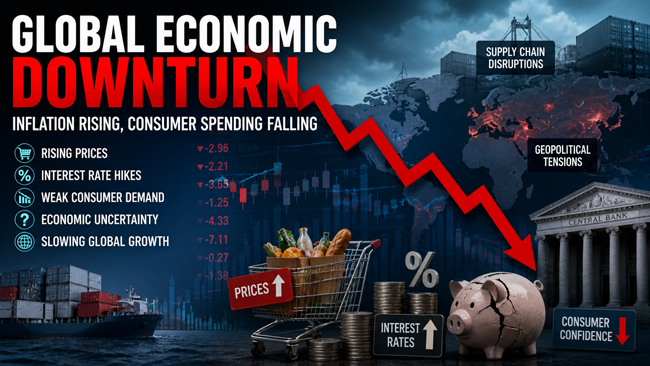
Recently, the term “global economic downturn” has been frequently mentioned worldwide. It is no longer just an economic concept—it has become a real issue that directly affects our daily lives. So why is this happening? Let’s take a look at the key causes.
The Prolonged Impact of the Pandemic
The COVID-19 pandemic delivered a massive shock to the global economy. Factory shutdowns and disrupted logistics systems created severe bottlenecks in supply chains. This led to reduced production and rising prices. As the pandemic persisted longer than expected, these supply chain issues intensified, becoming a major driver of global inflation.
The Ripple Effects of the Russia-Ukraine War
The war between Russia and Ukraine introduced another major variable into the global economy. Both countries are key suppliers of energy and agricultural commodities. As a result of the conflict, the prices of oil, natural gas, wheat, and corn surged dramatically. This significantly increased energy and food costs worldwide, further accelerating inflation.
Interest Rate Hikes by Central Banks
To control inflation, central banks around the world have been steadily raising interest rates. Higher interest rates increase borrowing costs, which naturally reduces consumption and investment. This can slow economic growth and increase the risk of recession. However, excessive rate hikes can also shock the economy, so central banks are proceeding cautiously.
Declining Consumer Confidence and Rising Household Burden
Rising prices and higher interest rates reduce households’ real purchasing power. As uncertainty about the future grows, consumers tend to cut spending and increase savings. This decline in consumer confidence leads to reduced corporate revenue, which in turn results in lower investment and employment—creating a vicious cycle that deepens the downturn.
How Rising Inflation Is Affecting Our Lives
Inflation is more than just a slight increase in prices—it impacts nearly every aspect of our lives.
Sharp Increase in Essential Costs
Prices of essential goods such as energy, food, and transportation are rising rapidly. This hits low- and middle-income households the hardest. People are forced to cut other expenses just to cover basic living costs, which can reduce overall quality of life.
Decline in Real Income
When inflation rises faster than wages, real income effectively decreases. Even if salaries remain the same, people can afford fewer goods and services. This creates a growing sense that “earning money isn’t enough anymore.”
Declining Value of Savings and Investments
High inflation reduces the value of saved money. If inflation exceeds bank interest rates, saving money may feel less beneficial than spending it. At the same time, economic uncertainty increases volatility in financial markets, making investment decisions more difficult.
Consumer Slowdown: A Drag on Economic Growth
Consumption is one of the main drivers of economic growth. However, during downturns, reduced spending negatively affects the entire economy.
Declining Corporate Revenue and Profitability
As consumers spend less, businesses experience declining sales and reduced profitability. This often leads companies to cut costs, reduce investments, or even restructure their workforce.
A Vicious Cycle of Reduced Investment and Employment
Lower profits lead to reduced hiring and investment. As job opportunities decrease and incomes fall, consumption declines even further, reinforcing the economic slowdown.
Slowing Economic Growth
Ultimately, reduced consumption and investment result in slower GDP growth. In severe cases, economies may even enter negative growth, weakening overall economic vitality.
How Should We Prepare for a Global Economic Downturn?
Rather than feeling overwhelmed by uncertainty, it is important to prepare wisely. Both individuals and societies can take practical steps to navigate this challenging period.
Subheading 1: Personal Financial Strategies for Uncertain Times
1. Build Emergency Funds and Manage Debt
Establish an emergency fund covering at least 3–6 months of living expenses. Reduce high-interest debt and limit unnecessary credit usage.
2. Review Spending Habits
Analyze your expenses and eliminate non-essential spending. Prioritize essential costs such as housing, food, and education.
3. Improve Cash Flow and Seek Additional Income
Consider side jobs, freelance work, or small business opportunities to increase income stability.
4. Reevaluate Long-Term Investment Strategies
Focus on diversified and long-term investments. Consider inflation-hedging assets such as commodities or inflation-linked bonds.
5. Invest in Self-Development
Enhancing skills and expertise increases job security and adaptability in uncertain times.
Subheading 2: Government and Corporate Responsibilities
1. Proactive Economic Stimulus Policies
Governments should balance fiscal and monetary policies to support economic recovery, including job creation and support for vulnerable groups.
2. Strengthening Corporate Social Responsibility
Companies should prioritize employment stability and support their partners during economic challenges.
3. Ensuring Financial System Stability
Financial authorities must monitor markets closely and provide liquidity when necessary to prevent systemic risks.
Subheading 3: Global Cooperation and Future Outlook
1. Strengthening International Collaboration
Economic downturns are global issues that require coordinated international responses, including policy alignment and information sharing.
2. Preparing for Long-Term Economic Shifts
Global economies are undergoing structural changes. Countries and businesses must adapt to new economic realities.
Conclusion: Navigating an Uncertain Future with Wisdom
A global economic downturn presents significant challenges. Rising inflation and reduced consumer spending are weakening economic activity and affecting everyday life.
However, with careful financial management, disciplined spending, continuous self-improvement, and strong cooperation at the societal level, it is possible to navigate these uncertainties successfully.
We hope this guide helps you better understand the causes, impacts, and strategies related to the global economic downturn—and empowers you to make wise decisions in uncertain times.