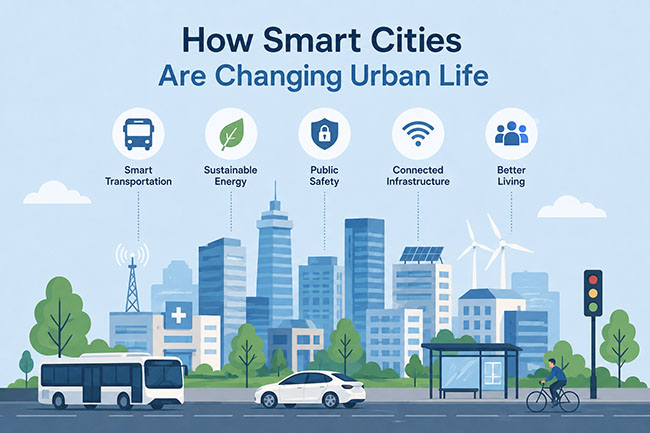

Renewable energy has become one of the most important sectors of the global economy. As countries seek sustainable solutions to growing energy demands, investments in renewable technologies continue expanding at an unprecedented pace. Solar power, wind energy, hydroelectric systems, and other renewable resources are transforming how societies generate and consume electricity.
The growth of renewable energy reflects broader economic trends related to technological innovation, environmental awareness, and long-term infrastructure development. Businesses, governments, and communities increasingly recognize that reliable and sustainable energy systems are essential for future economic growth.
Understanding the relationship between renewable energy and economic development provides valuable insight into one of the most significant transitions occurring within the modern global economy.
What Is Renewable Energy?
Renewable energy refers to energy generated from naturally replenishing sources.
Examples include:
- Solar energy
- Wind power
- Hydroelectric energy
- Geothermal energy
- Biomass energy
Unlike finite fossil fuels, renewable resources can continue producing energy over long periods.
These technologies help diversify energy supplies while supporting long-term sustainability goals.
Renewable energy has become a major focus of infrastructure planning and economic investment worldwide.
Why Energy Matters to the Economy
Energy serves as the foundation of modern economic activity.
Virtually every industry depends on reliable energy supplies.
Examples include:
- Manufacturing
- Transportation
- Healthcare
- Agriculture
- Technology
- Education
Access to affordable and dependable energy supports productivity, innovation, and business growth.
As economies continue developing, energy demand often increases.
This relationship highlights the importance of long-term energy planning and infrastructure development.
The Growth of Renewable Technologies
Technological innovation has significantly improved renewable energy systems.
Advances in:
- Solar panels
- Wind turbines
- Energy storage
- Smart grid technologies
have increased efficiency while reducing costs.
As renewable technologies become more accessible, adoption rates continue rising.
Many regions now incorporate renewable energy as an important component of their long-term energy strategies.
This growth has contributed to the expansion of new industries and investment opportunities.
Economic Benefits of Renewable Energy
Renewable energy development can contribute to economic growth in several ways.
Potential benefits include:
- Infrastructure investment
- Job creation
- Technology innovation
- Regional development
- Energy diversification
Large-scale renewable projects often require significant planning, engineering, and construction efforts.
These activities support economic activity while contributing to modern infrastructure development.
Investment in renewable energy has become an important driver of economic expansion in many regions.
Innovation and Technology
The renewable energy sector continues benefiting from technological advancement.
Research and development efforts focus on:
- Improved efficiency
- Better storage systems
- Smart energy management
- Grid modernization
Innovation helps increase the effectiveness and reliability of renewable energy systems.
These improvements contribute to broader economic competitiveness and technological progress.
The connection between innovation and energy development remains a major factor influencing future growth.
Renewable Energy and Sustainability
Sustainability has become an increasingly important consideration for governments, businesses, and consumers.
Renewable energy supports sustainability objectives by promoting long-term resource availability.
Many organizations are incorporating sustainability initiatives into their operational strategies.
These efforts often include:
- Energy efficiency improvements
- Resource conservation
- Environmental planning
Renewable energy development plays a significant role in supporting these broader goals.
Sustainable growth remains an important focus within modern economic planning.
Smart Grids and Modern Infrastructure
Energy infrastructure continues evolving through the adoption of smart technologies.
Smart grids utilize digital systems to improve:
- Energy distribution
- Resource management
- System reliability
- Operational efficiency
These technologies help create more responsive and flexible energy networks.
Modern infrastructure supports both economic development and technological innovation.
The integration of digital tools into energy systems represents an important trend within the industry.
Renewable Energy and Employment
The growth of renewable energy has created demand for a wide range of professional skills.
Examples include:
- Engineering
- Construction
- Technology development
- Project management
- Maintenance services
Workforce development remains an important aspect of industry growth.
Educational institutions and training programs increasingly support careers related to renewable technologies.
These opportunities contribute to economic diversification and professional development.
Global Investment Trends
Investment in renewable energy continues increasing worldwide.
Organizations invest in projects designed to improve:
- Energy capacity
- Infrastructure resilience
- Technological innovation
- Resource efficiency
Global investment reflects confidence in the long-term importance of renewable energy systems.
Many experts view renewable technologies as a key component of future economic development.
Investment activity is expected to remain strong as energy demands continue evolving.
Challenges and Opportunities
Like any rapidly growing industry, renewable energy faces challenges.
These may include:
- Infrastructure requirements
- Technology adoption
- Resource management
- Market transitions
At the same time, these challenges create opportunities for innovation and improvement.
Organizations continue exploring new solutions that enhance performance and efficiency.
The ability to adapt and innovate remains essential for long-term success.
The Future of Renewable Energy
Several trends are expected to shape the future of the industry.
These include:
- Expanded energy storage
- Smart grid development
- Artificial intelligence integration
- Increased renewable capacity
- Greater infrastructure investment
As technology advances, renewable energy systems are likely to become even more efficient and widely adopted.
Their influence on economic development is expected to continue growing.
Renewable energy will remain an important part of future infrastructure planning.
Why Renewable Energy Matters
Renewable energy affects more than electricity generation.
It influences:
- Economic growth
- Technology innovation
- Infrastructure development
- Workforce opportunities
- Long-term sustainability
Understanding these connections helps explain why renewable energy has become such an important global priority.
Its impact extends across numerous sectors of the modern economy.
Conclusion
The future of renewable energy and economic growth is closely connected. As technology advances and energy demand continues increasing, renewable energy systems are expected to play an increasingly important role in supporting economic development.
Through innovation, infrastructure investment, and sustainable resource management, the renewable energy sector contributes to productivity, technological progress, and long-term growth. Its continued expansion reflects broader efforts to build more resilient and efficient economies for the future.